The shift to USB-C has turned kitchen counters and nightstands into contested territory, where cable compatibility now dictates evening routines.
Charging used to be a solitary act; now it’s a shared resource problem with no obvious Apple-designed solution. The iPhone 15’s adoption of USB-C collapsed the distinction between phone chargers, tablet chargers, and laptop adapters, creating a single-port standard that household members now quietly compete for. What was once a predictable ritual—Lightning cable by the bed, always in the same spot—has become a small negotiation every evening.
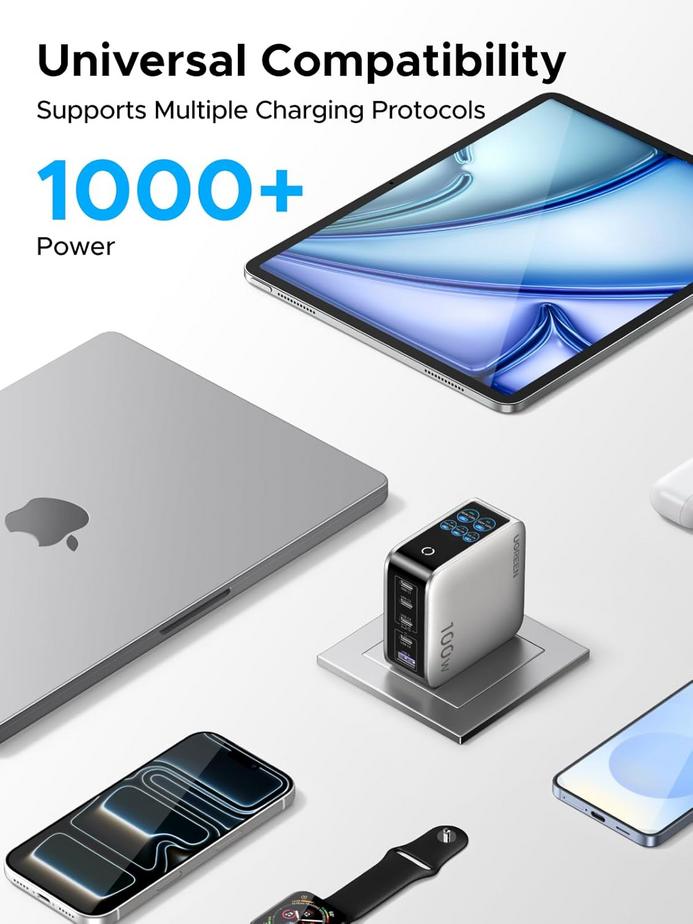
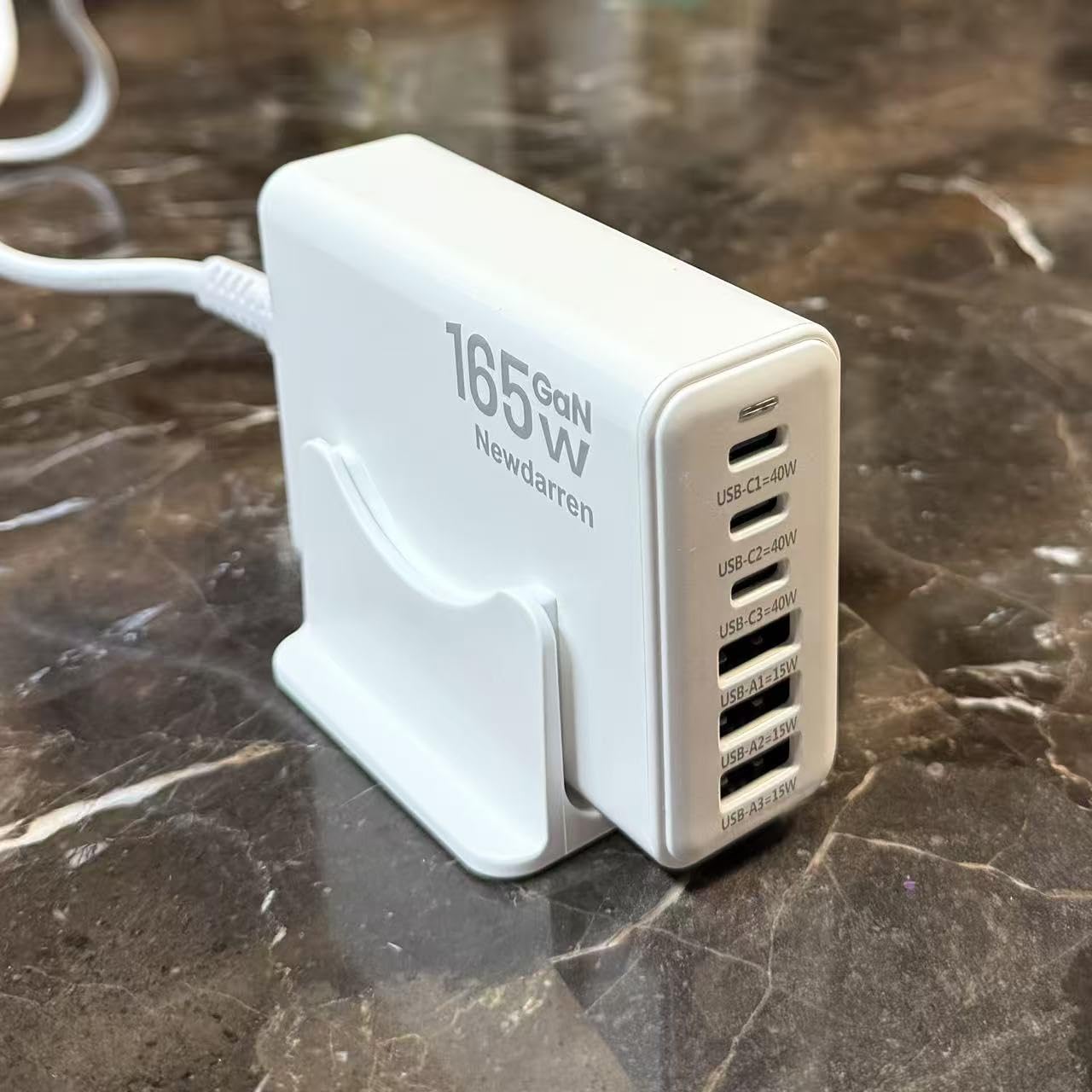
The math is simple but the behavior is complex. A household with two iPhones, an iPad, and a MacBook needs four simultaneous charging points. Most wall outlets offer two. The gap has produced a secondary market for multi-port hubs, devices that promise six or seven USB-C connections in a single footprint. These aren’t Apple products. They’re what fills the space Apple chose not to occupy.
GaN technology has made these hubs smaller and more powerful, but the underlying dynamic remains unchanged. Someone in the house will plug in first. Someone else will unplug a device to make room for their own. The iPhone, despite its premium positioning, becomes just another item in the charging queue, waiting its turn like everything else that needs power overnight.
The language around these accessories hints at the tension. Terms like “charging station” and “hub adapter” suggest infrastructure, not convenience. They evoke the kind of planning traditionally associated with home networking or AV setups, not phone ownership. Yet here we are, arranging USB-C ports by wattage priority, calculating whether 40W per port is enough to fast-charge an iPhone 16 Pro Max while simultaneously topping off an iPad Mini.
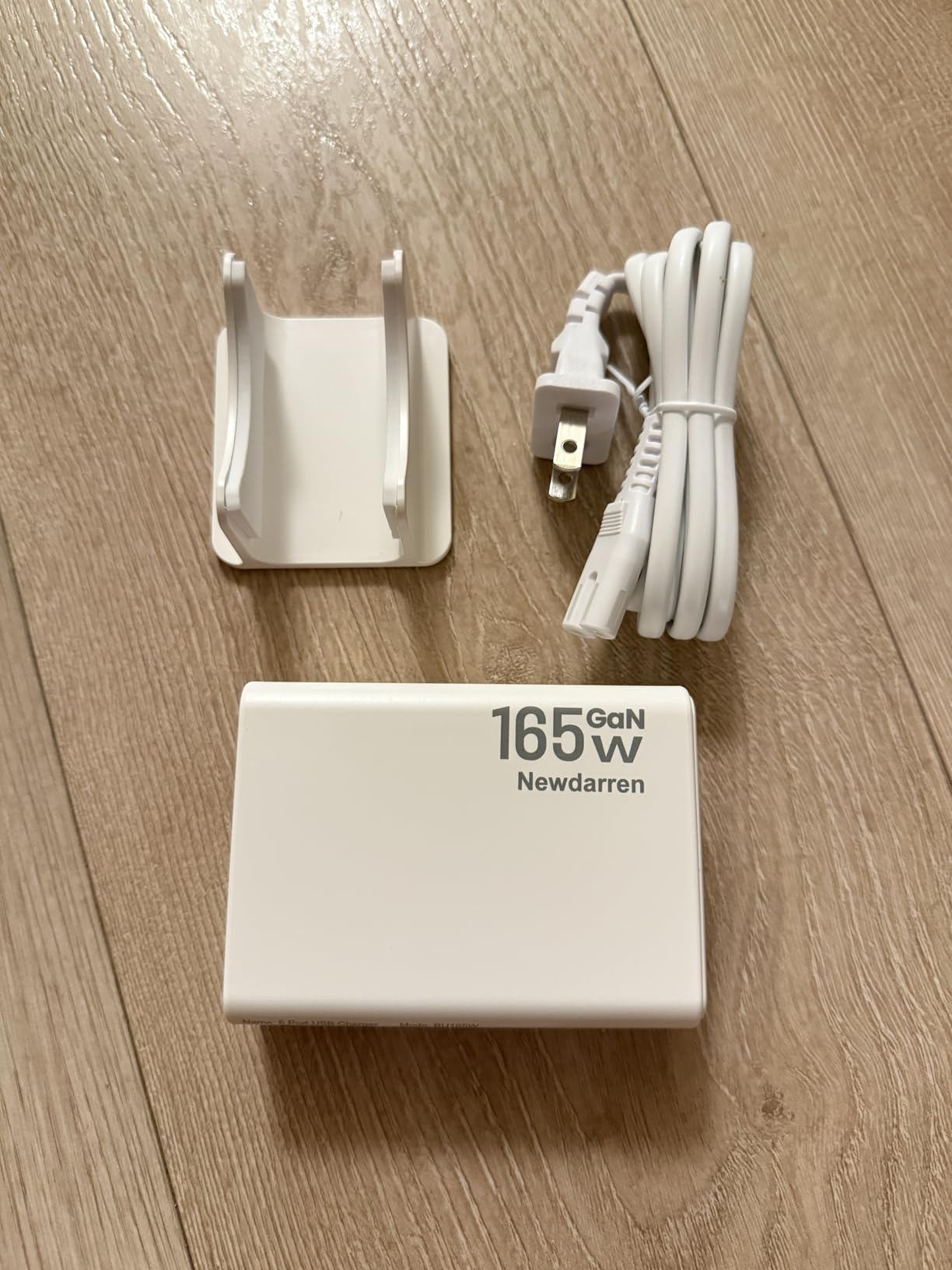
Apple’s own charging accessories remain single-device affairs. The MagSafe Duo supported two devices but was discontinued. The MagSafe charger itself handles one iPhone at a time. The company’s vision appears to assume that each person owns exactly one device requiring power at any given moment, a premise that collapsed the moment families began cycling through iPhones, AirPods, and Apple Watches in overlapping upgrade schedules.
What results is a quiet dependence on third-party power management. The hub sitting on a kitchen counter or bedroom nightstand becomes the actual infrastructure of the Apple ecosystem, even though Apple didn’t design it and doesn’t sell it. The iPhone’s shift to USB-C didn’t reduce complexity; it redistributed the problem to a new category of accessory that users must source independently.
Some of these hubs approach or exceed the cost of Apple’s own adapters, though pricing remains inconsistent. Previously listed at $42.99, current listings hover around $13.44 (CODE 39JQNXNG) for six-port configurations offering 165W total output across USB-C connections. The variance reflects a market still adjusting to the post-Lightning reality, where the need for multi-device power delivery is obvious but the solution remains decidedly non-Apple.
"Note: Readers like you help support The Apple Tech. We may receive a affiliate commission when you purchase products mentioned on our website."