There’s a specific moment iPhone users experience when Bluetooth audio fails: not frustration exactly, but disorientation. The device doesn’t connect, and suddenly they’re forced to remember that wireless audio isn’t magic—it’s a protocol, one that occasionally requires manual intervention. That realization feels oddly antiquated.
This wasn’t always the case. Early Bluetooth adoption involved pairing menus, passcodes, and frequent re-connections. Users developed workarounds, keeping wired backups or simply accepting that wireless meant unreliable. The technology improved gradually, but the expectation shifted faster. Once pairing became automatic for Apple devices, anything less felt broken.
The shift created a new baseline. iPhone owners now expect audio devices to recognize them instantly, switching between phone, iPad, and laptop without manual input. When third-party earbuds require a few extra seconds or an occasional re-pair, the delay doesn’t register as normal—it registers as failure, even when the device is functioning exactly as designed.
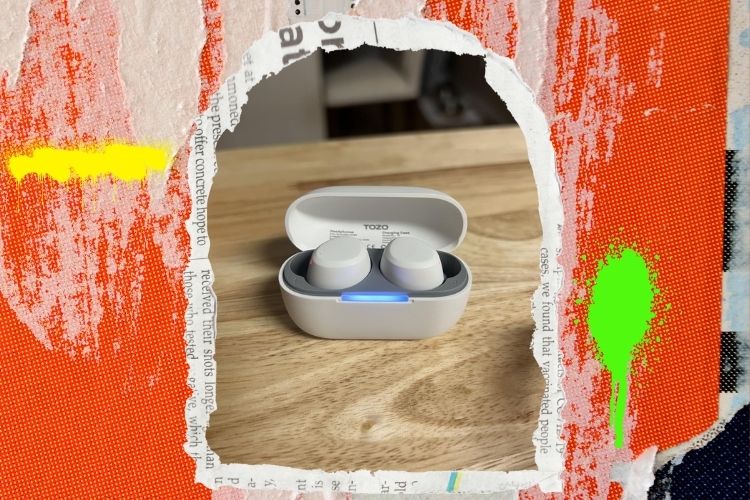
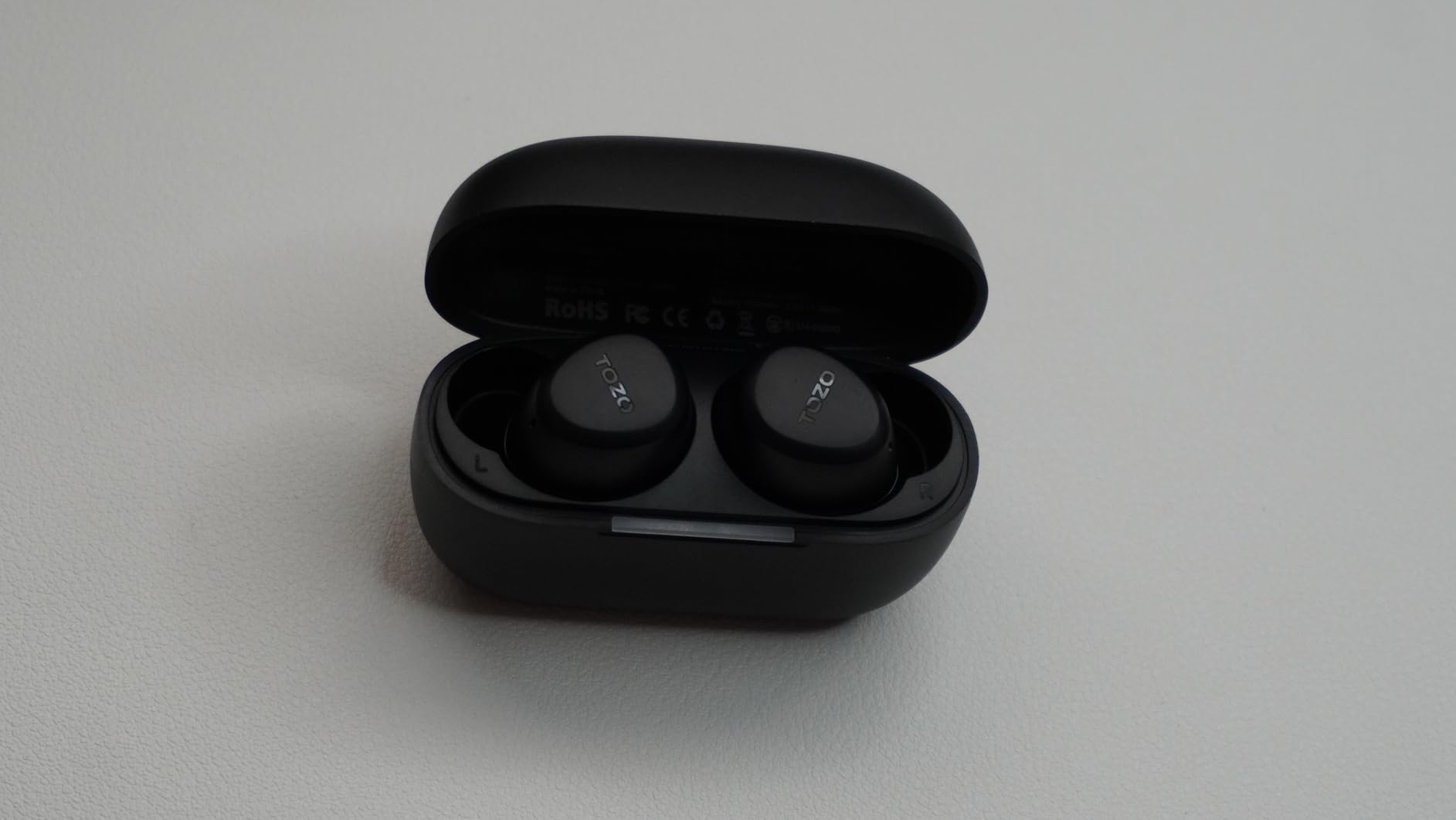
This expectation extends beyond premium options. Budget wireless earbuds have flooded the market, many offering acceptable sound quality and reliable connectivity at dramatically lower price points. Users who might have spent significantly more a few years ago now experiment with cheaper alternatives, replacing them casually when they’re lost or when battery life degrades.
SIMILAR
Why iPhone users are carrying standalone noise machines instead of relying on sleep apps
Apple Watch charging became a bedside ritual, here's why the placement matters more than expected
iPhone users are quietly giving up the cable and most dont realize why it happened so gradually over time
The disposability introduces a different kind of friction. These devices work well enough that users forget about them, but not well enough to inspire attachment. They’re functional tools, not prized possessions. When they stop working, there’s no repair consideration—just replacement. The ecosystem encourages this, making pairing so effortless that switching between devices feels trivial.
Apple’s own audio products set the standard, but the broader market determines actual behavior. Most iPhone users don’t use AirPods. They use whatever works, which increasingly means inexpensive options that meet the invisible standard iOS has established: instant connection, adequate sound, forgettable reliability.
The price gap reinforces this. While premium options command triple-digit pricing, functional alternatives regularly appear below $15. That’s not a discount—it’s a different category entirely, one where experimentation costs less than a lunch. Previously listed around $20, current pricing for basic models hovers near $12, making trial-and-error a viable strategy for finding acceptable gear.
"Note: Readers like you help support The Apple Tech. We may receive a affiliate commission when you purchase products mentioned on our website."