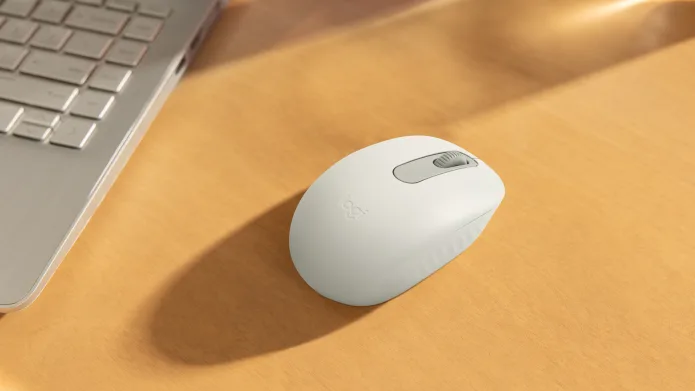
For over a decade, the MacBook trackpad has been positioned as the superior input method—precise, gesture-rich, and deeply integrated into macOS. Many users internalized this narrative. The mouse, by contrast, became associated with older habits or Windows-centric workflows. But a behavioral split is emerging. More macOS users are now keeping a compact wireless mouse within reach, not as a replacement, but as a context-specific tool.
The pattern reveals itself most clearly in tasks requiring sustained precision or repetitive motion. Spreadsheet work, photo editing, and extended browser sessions create a type of friction that gestures alone don’t fully resolve. The trackpad excels at navigation and fluidity, but prolonged use in high-focus tasks introduces strain that users once dismissed as unavoidable. The mouse reintroduces a physical anchor—less elegant, but more sustainable across longer sessions.
This isn’t a rejection of the trackpad. It’s a recognition that different input methods serve different cognitive and physical states. Quick tasks, casual browsing, and system navigation remain trackpad territory. But when the work deepens and the session stretches, many users instinctively reach for the mouse. The gesture vocabulary of macOS, once seen as comprehensive, now feels optimized for certain workflows and incomplete for others.
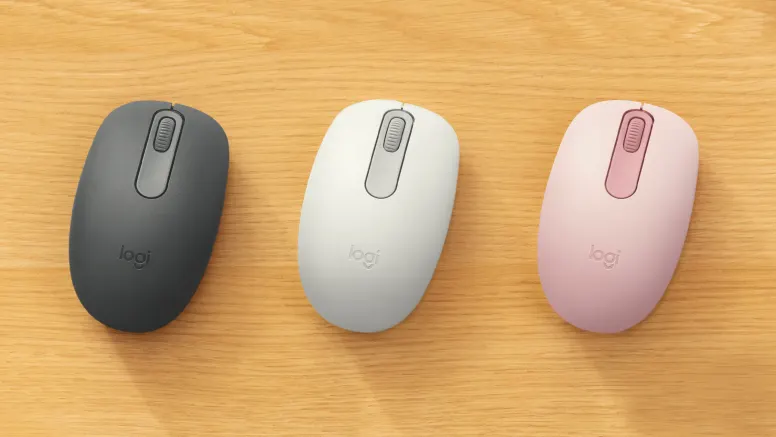
The rise of portable Bluetooth mice designed for travel contexts has accelerated this shift. These devices are compact enough to slip into a laptop sleeve, connect instantly, and require minimal desk space. They don’t demand a commitment to mouse-centric workflows. They simply exist as an option, lowering the threshold for users who once viewed carrying a mouse as a concession or regression.
SIMILAR
Why iPhone users are carrying standalone noise machines instead of relying on sleep apps
Apple Watch charging became a bedside ritual, here's why the placement matters more than expected
iPhone users are quietly giving up the cable and most dont realize why it happened so gradually over time
What’s striking is how little this behavior is discussed. There’s no vocal movement away from the trackpad, no public critique of macOS gestures. Users are simply adapting quietly, adding a tool without announcing a preference shift. The mouse has become less about loyalty and more about situational utility—a small correction to a workflow that Apple assumed was already solved.
The broader implication touches on ecosystem assumptions. Apple has long emphasized seamless integration and reducing peripheral dependence. But as work hours lengthen and task diversity increases, users are discovering that no single input method scales across all contexts. The mouse isn’t a step backward. It’s a hedge against the friction of uniformity.
Current listings of these Compact Bluetooth models designed for portability now appear near $10, down from earlier listings closer to $15, reflecting both competitive pressure and the normalization of dual-input workflows across macOS users.
"Note: Readers like you help support The Apple Tech. We may receive a affiliate commission when you purchase products mentioned on our website."