
The portable charger was once a travel accessory—something packed for long flights or weekend trips, used sparingly when outlets were scarce. That framing has collapsed. For many iPhone users, the portable charger has become a daily carry item, used proactively rather than reactively, and increasingly treated as essential as the device itself.
This shift reflects a deeper behavioral change around battery trust. The iPhone’s battery life has improved incrementally over the years, but usage patterns have intensified faster. Screen time has climbed, background activity has multiplied, and the expectation of constant connectivity has made even moderate battery drain feel precarious. Users are no longer waiting until their battery dips below twenty percent. They’re topping up throughout the day to avoid ever approaching that threshold.
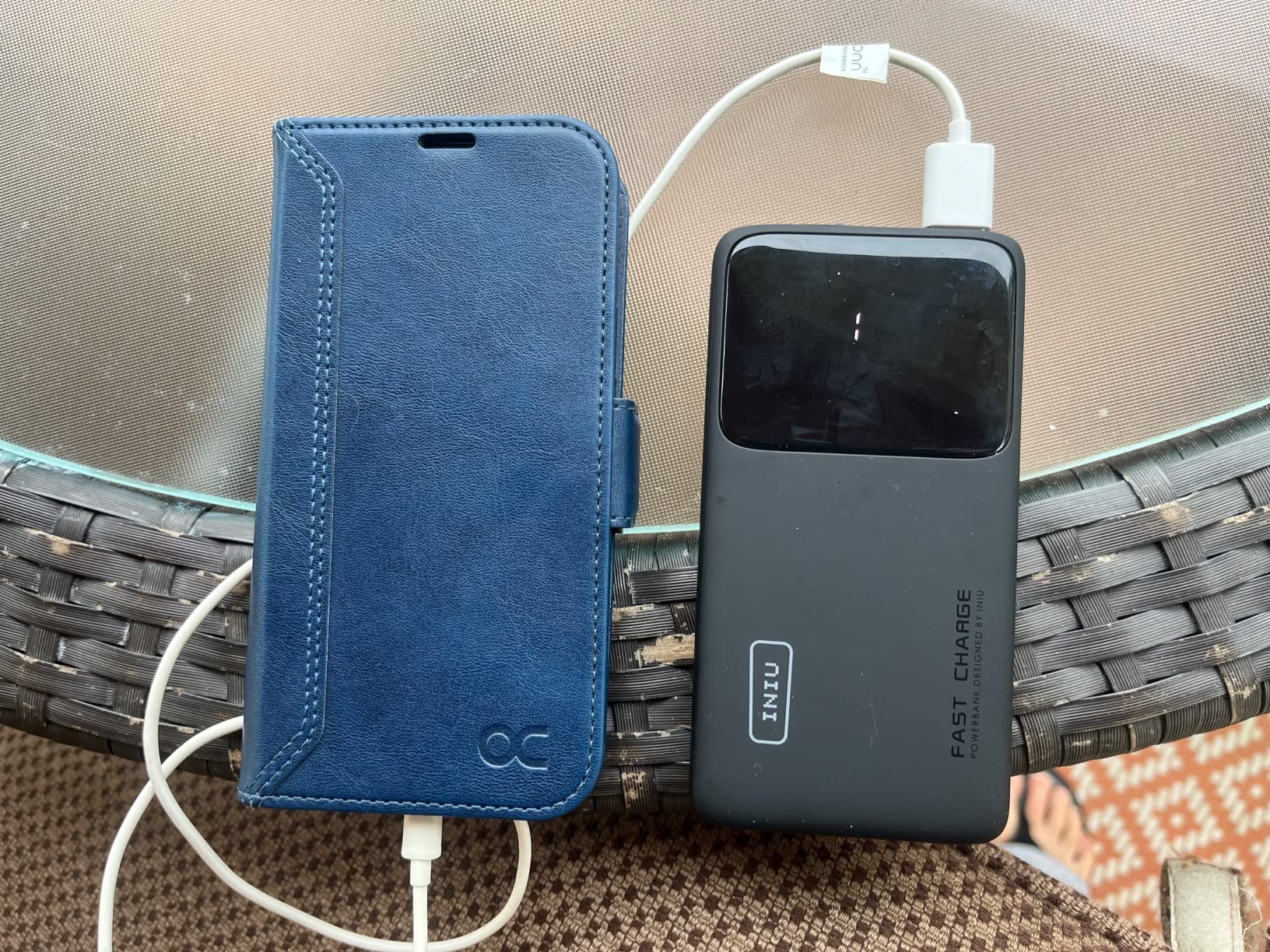
The portable charger enables a new kind of mobility. It removes the need to plan around outlets, to cut sessions short, or to ration usage in anticipation of longer stretches without power. This isn’t about extending battery life—it’s about eliminating battery awareness as a friction point. The device becomes a buffer against uncertainty, allowing users to move through their day without mental overhead devoted to charge levels.
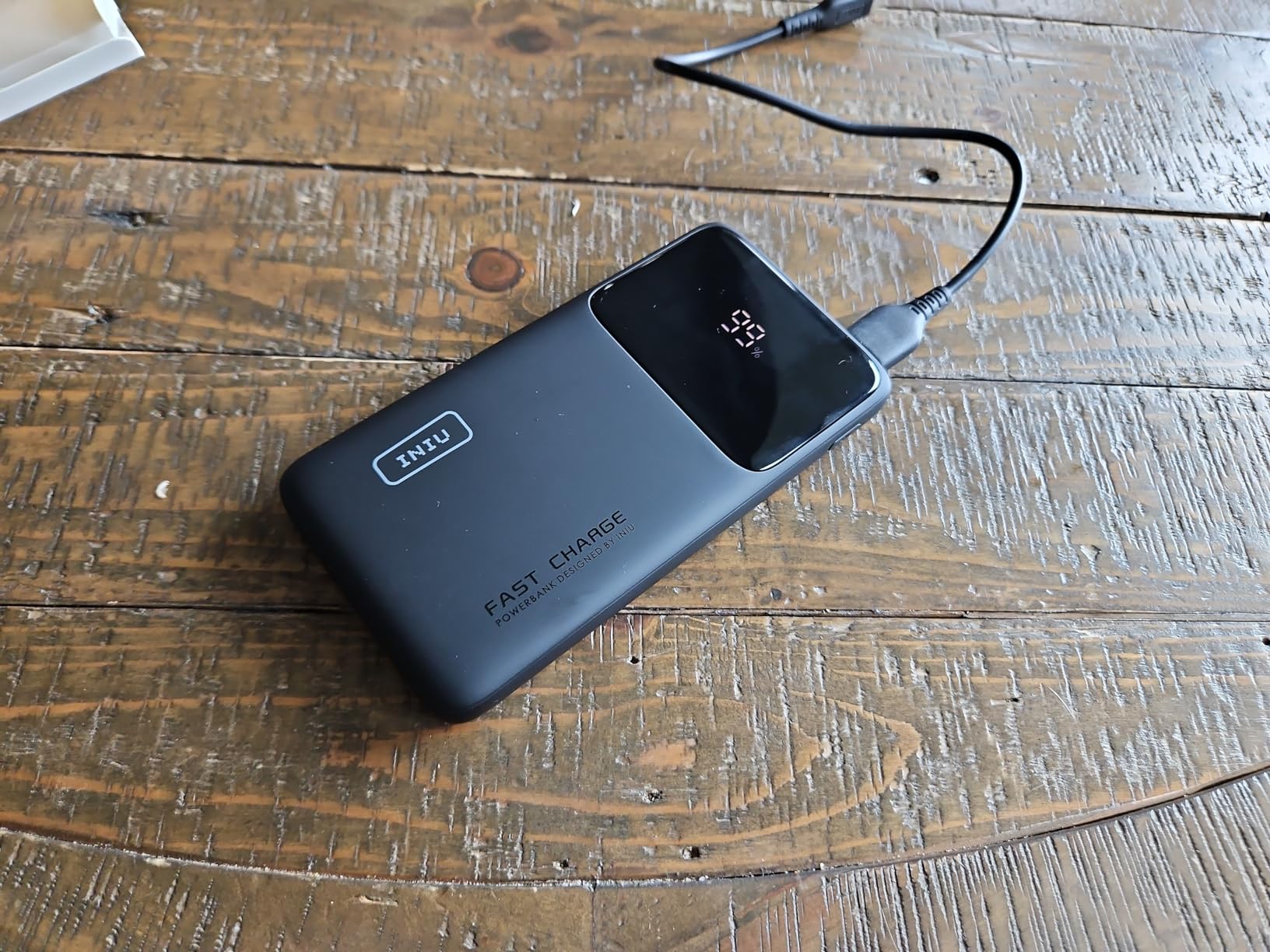
What’s changed is the form factor and integration. Portable chargers have become smaller, lighter, and equipped with attached cables that eliminate the need to carry separate cords. This design shift matters because it collapses the decision-making process. There’s no fumbling for the right cable, no debate about whether to bring the charger. It simply lives in a bag or pocket, ready to deploy without thought.
SIMILAR
Why iPhone users are carrying standalone noise machines instead of relying on sleep apps
Apple Watch charging became a bedside ritual, here's why the placement matters more than expected
iPhone users are quietly giving up the cable and most dont realize why it happened so gradually over time
The behavior also signals a shift in how people perceive device autonomy. The iPhone is no longer expected to last a full day on its own. The portable charger has become an extension of the device’s power system—a distributed battery that travels with the user rather than remaining tethered to a wall. This reframing changes the relationship between the device and its environment. The iPhone is less self-sufficient, but more resilient across unpredictable contexts.
The normalization of this habit has also changed purchasing behavior. Portable chargers are no longer evaluated as occasional-use products. They’re assessed on daily durability, pocket compatibility, and charging speed. The market has responded by offering models optimized for repeat use rather than emergency backup, with capacities and outputs designed for multiple top-ups rather than single full charges.
Previously listed near $27, current listings of these models with attached USB-C cables and fast charging now hover closer to $23, reflecting both demand stabilization and the expectation that these devices will cycle through use and replacement more frequently than earlier generations.
"Note: Readers like you help support The Apple Tech. We may receive a affiliate commission when you purchase products mentioned on our website."