
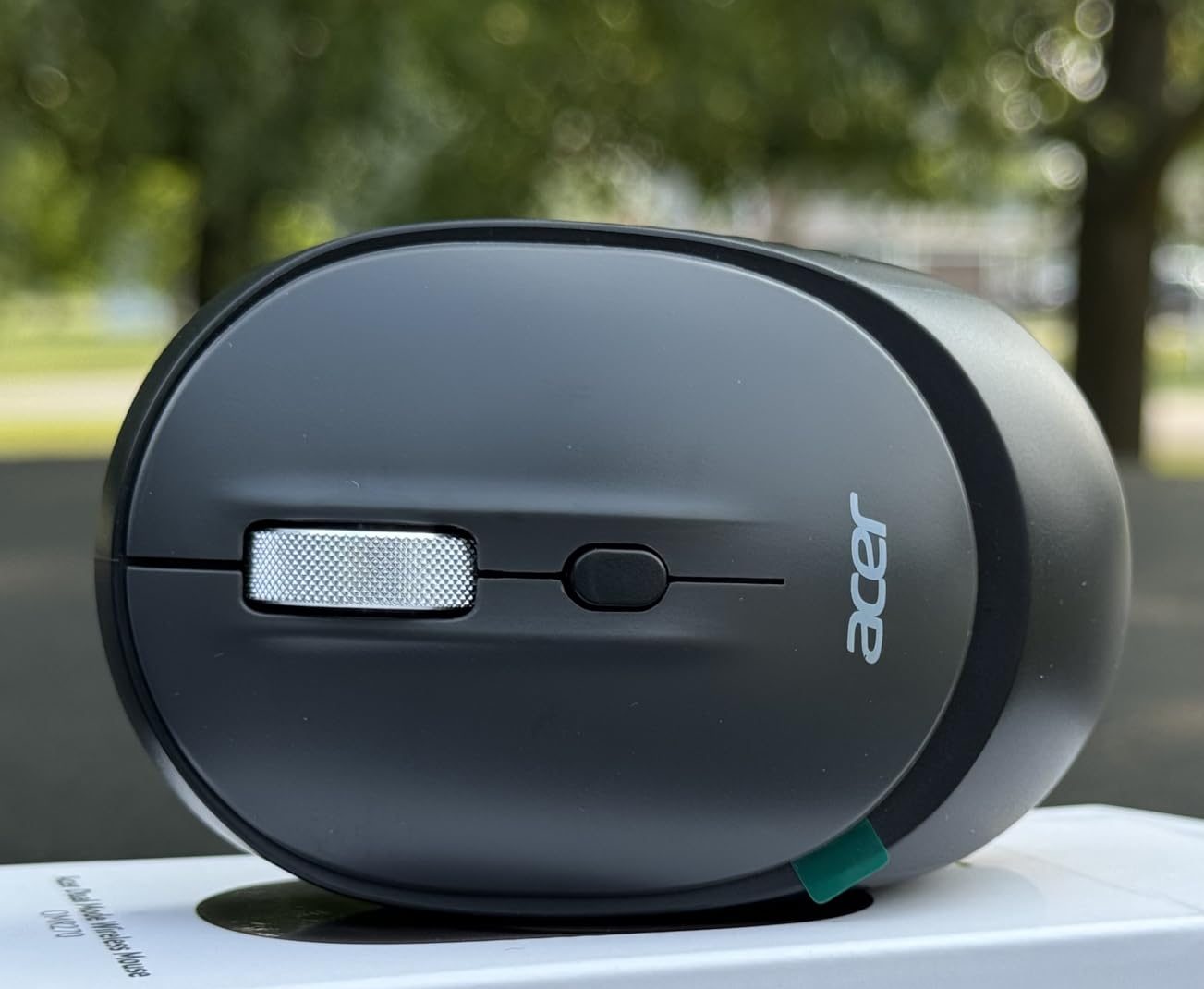
The traditional mouse design has remained largely unchanged for decades—a flat palm orientation that feels natural during brief sessions but introduces strain during extended use. Many macOS users have internalized this discomfort as inevitable, a cost of desk work rather than a solvable problem. But adoption of vertical mice is rising, not as an enthusiast trend, but as a pragmatic response to the realization that hand strain isn’t something to simply endure.
The vertical mouse repositions the hand from a palm-down to a handshake orientation, reducing wrist pronation and distributing pressure differently across the forearm. The change feels awkward initially, but users who persist report that the adjustment period is brief and the reduction in strain is immediate. What’s significant is that this isn’t a performance upgrade—it’s an ergonomic correction. The vertical mouse doesn’t make macOS workflows faster or more precise. It makes them more sustainable.
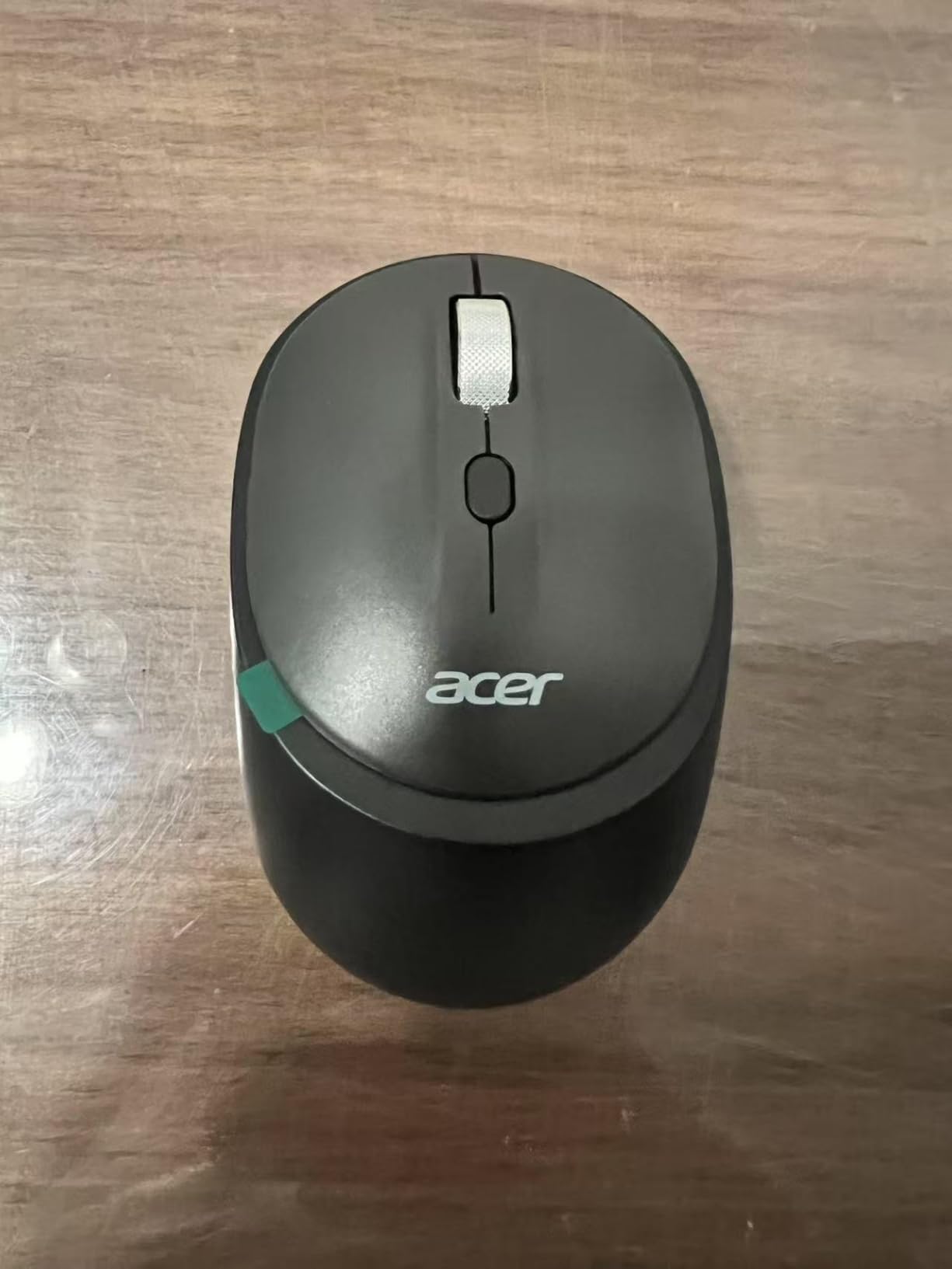
This shift reflects a broader acknowledgment that long work sessions have become the norm rather than the exception. The macOS trackpad remains the default input method for many, but users who spend hours manipulating spreadsheets, editing images, or navigating dense interfaces are discovering that the trackpad introduces its own fatigue. The mouse becomes necessary, but the traditional mouse design carries its own cost. The vertical orientation reduces that cost without requiring users to abandon mouse-based workflows entirely.
What’s notable is how little Apple has addressed this directly. The Magic Mouse remains unchanged in form factor, prioritizing aesthetics and gesture integration over ergonomic adaptation. Apple’s design philosophy assumes that the trackpad will handle most input, with the mouse serving as an occasional supplement. But for users whose work demands continuous mouse use, that assumption breaks down. The vertical mouse fills a gap that Apple hasn’t acknowledged exists.
SIMILAR
Why iPhone users are carrying standalone noise machines instead of relying on sleep apps
Apple Watch charging became a bedside ritual, here's why the placement matters more than expected
iPhone users are quietly giving up the cable and most dont realize why it happened so gradually over time
The adjustable DPI feature also reflects a shift in how users think about input precision. Different tasks require different levels of sensitivity—detailed design work benefits from slower, more controlled movement, while general navigation favors speed. The ability to toggle between settings without opening system preferences reduces friction in workflows where context shifts frequently. It’s a small feature, but it represents a level of customization that macOS input devices don’t natively offer.
The wireless rechargeable design has also lowered the barrier to adoption. Early ergonomic mice required batteries or cumbersome cables, adding complexity that discouraged casual users from experimenting. Modern vertical mice charge via USB and last weeks on a single charge, eliminating maintenance friction. The result is a device that feels as low-maintenance as Apple’s own peripherals, even if it contradicts Apple’s design language.
The broader implication is that users are increasingly willing to deviate from Apple’s input ecosystem when their physical comfort is at stake. The Magic Mouse remains iconic, but it’s no longer unquestioned. Users are prioritizing function over brand alignment, and the vertical mouse represents a quiet rebellion against the assumption that Apple’s hardware choices should define their entire workflow experience.
Previously listed near $26, current listings of these vertical wireless models with rechargeable batteries now appear closer to $16, reflecting both increased competition and the normalization of ergonomic input devices as a standard consideration rather than a niche concern.
"Note: Readers like you help support The Apple Tech. We may receive a affiliate commission when you purchase products mentioned on our website."