
The original assumption was that iPhone and Apple Watch would charge in different contexts—one plugged into a wall at night, the other topped up sporadically during the day. But battery anxiety doesn’t operate on a schedule, and many users now find themselves needing both devices charged simultaneously, often in places where outlets are scarce or awkwardly positioned.
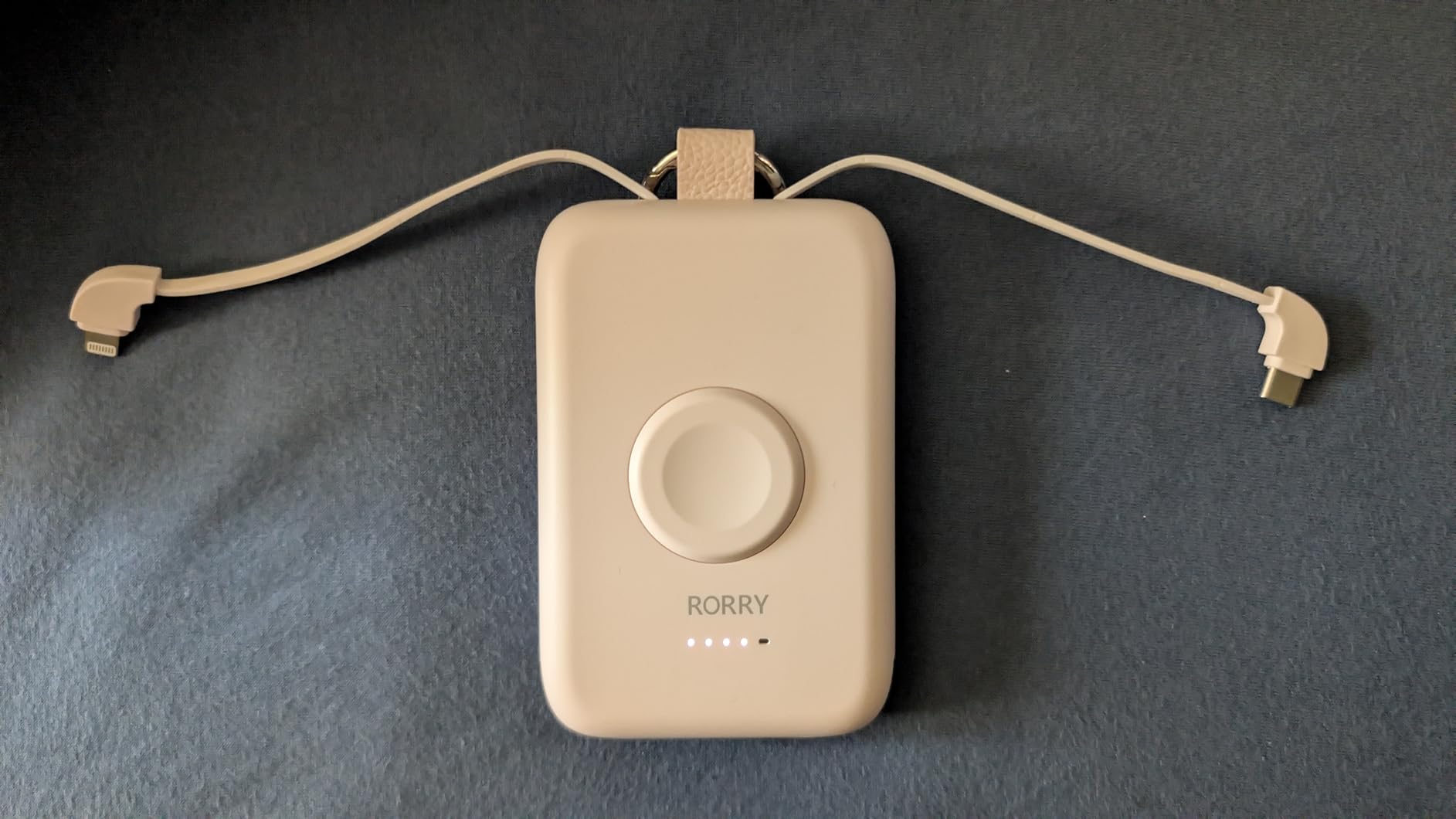
This has led to the rise of portable chargers designed specifically for dual-device charging within the Apple ecosystem. These aren’t generic power banks with multiple USB ports. They’re purpose-built for iPhone and Apple Watch together, with integrated cables that eliminate the need to carry separate charging accessories. The appeal isn’t capacity—it’s consolidation.
What’s notable is how quickly this behavior shifted from niche to common. A few years ago, carrying a dedicated Apple Watch charging puck felt excessive. Now, the friction of not being able to charge both devices from a single power source feels like an oversight in Apple’s own accessory design. MagSafe helped with iPhone portability, but it didn’t solve the two-device problem.
The integrated cable design also reflects a subtle change in how people think about charging. It’s no longer about topping up a single device when it hits 20 percent. It’s about maintaining both iPhone and Apple Watch above a minimum threshold throughout the day, which requires more frequent, shorter charging sessions rather than one long overnight cycle.
Travel has amplified this shift. Hotel rooms rarely have enough conveniently placed outlets, and airport charging stations are often crowded or poorly maintained. A portable charger that handles both devices from one connection reduces the number of cables to manage and the number of outlets needed. It’s a small efficiency gain, but one that compounds over repeated trips.
SIMILAR
iPhone and MacBook users are compensating for a port problem Apple created
iPhone users are eliminating the tangled cable from every car charging session
iPhone users are transforming nightstands into silent charging infrastructure
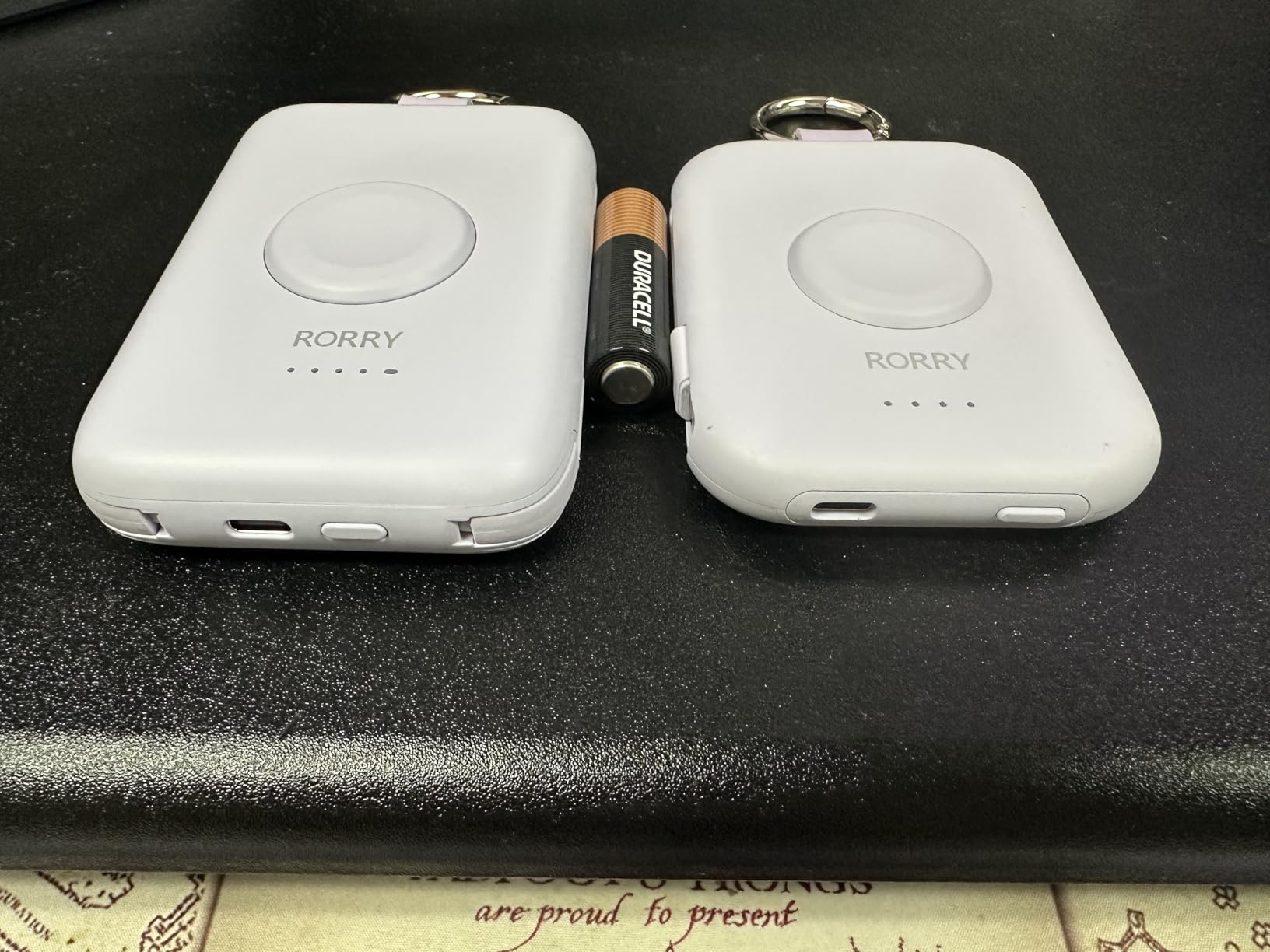
The trade-off is bulk. A 10,000mAh portable charger with built-in cables is noticeably heavier than a slim power bank with a single USB-C port. But users seem willing to accept the weight in exchange for not having to remember which cable goes with which device, or worse, arriving somewhere with the wrong charging setup entirely.
What this signals is a broader recalibration of how charging fits into daily routines. Apple designed the iPhone and Apple Watch to be distinct products with distinct charging methods, but user behavior has converged around the expectation that both should be powered simultaneously, from a single source, without requiring a second thought.
Portable chargers with integrated iPhone and Apple Watch cables, often with 20W fast charging support, are now common in the $30 to $40 range, reflecting a shift from convenience accessory to expected travel companion for anyone carrying both devices regularly.
"Note: Readers like you help support The Apple Tech. We may receive a affiliate commission when you purchase products mentioned on our website."