
When Apple introduced Action Mode, the promise was clear: shake reduction powerful enough to make gimbals obsolete for most casual shooting. The feature worked as advertised, cropping into the sensor to create stabilized footage without additional hardware. But after a few months of use, many iPhone users began noticing limitations that software alone couldn’t resolve.
The issue wasn’t that Action Mode failed. It was that it succeeded within constraints that became more apparent over time. The digital crop reduced resolution. Low-light performance suffered. Panning movements looked unnaturally smoothed. For quick social clips, these trade-offs were acceptable. For anything longer or more deliberate, they started to feel like compromises.
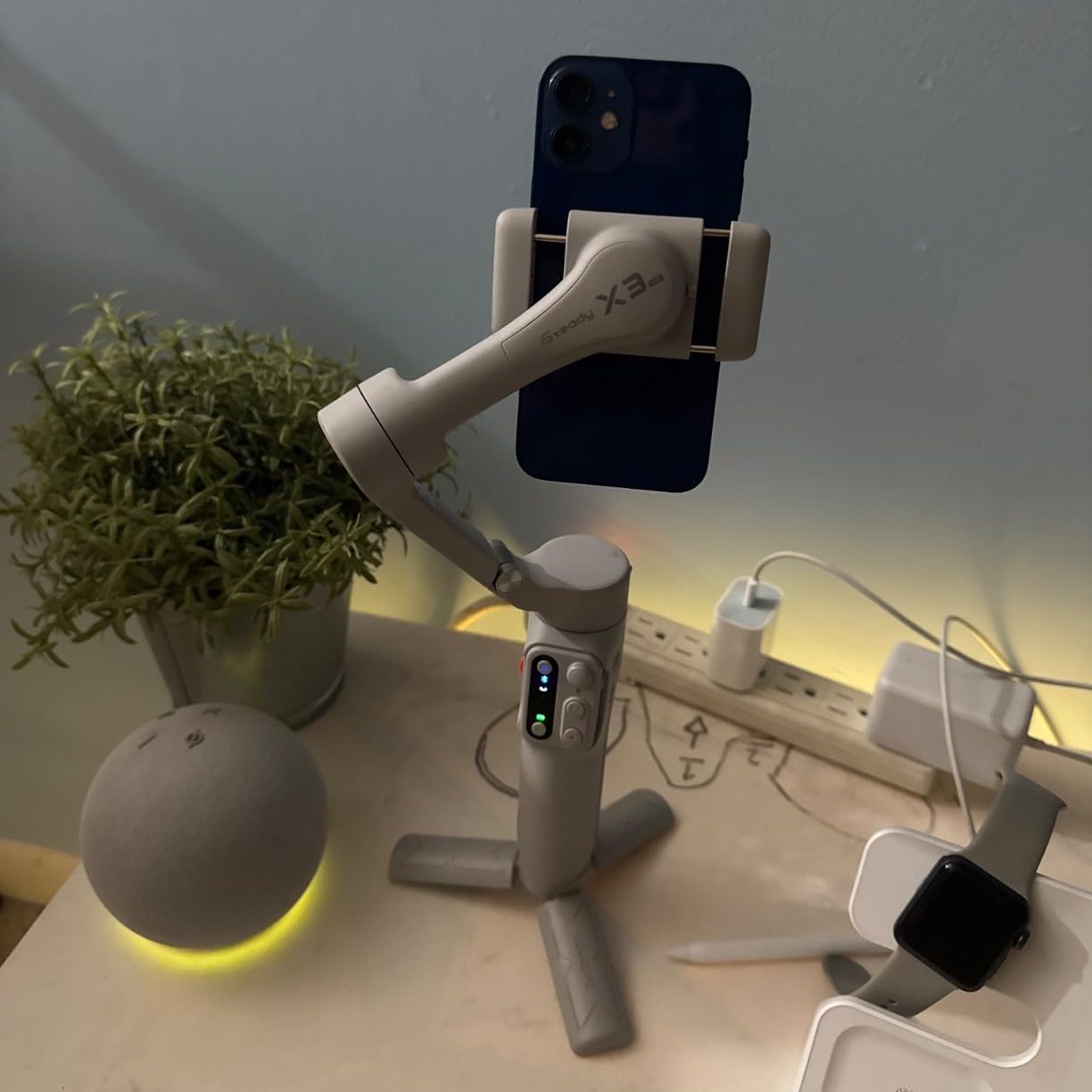
This has led to a quiet resurgence of mechanical stabilization among iPhone users who initially dismissed gimbals as unnecessary. The assumption that iPhone computational stabilization would be enough has quietly eroded, replaced by a more pragmatic understanding: iOS handles everyday shake well, but deliberate motion—walking through a scene, following a subject, tilting upward—still benefits from physical counterbalance.
What’s changed isn’t the technology but the context in which people are shooting. Video captured on iPhone is no longer just a casual record of an event. It’s being edited, shared across platforms, and compared against content shot with dedicated cameras. The tolerance for wobble has decreased, and with it, the willingness to rely solely on software correction.
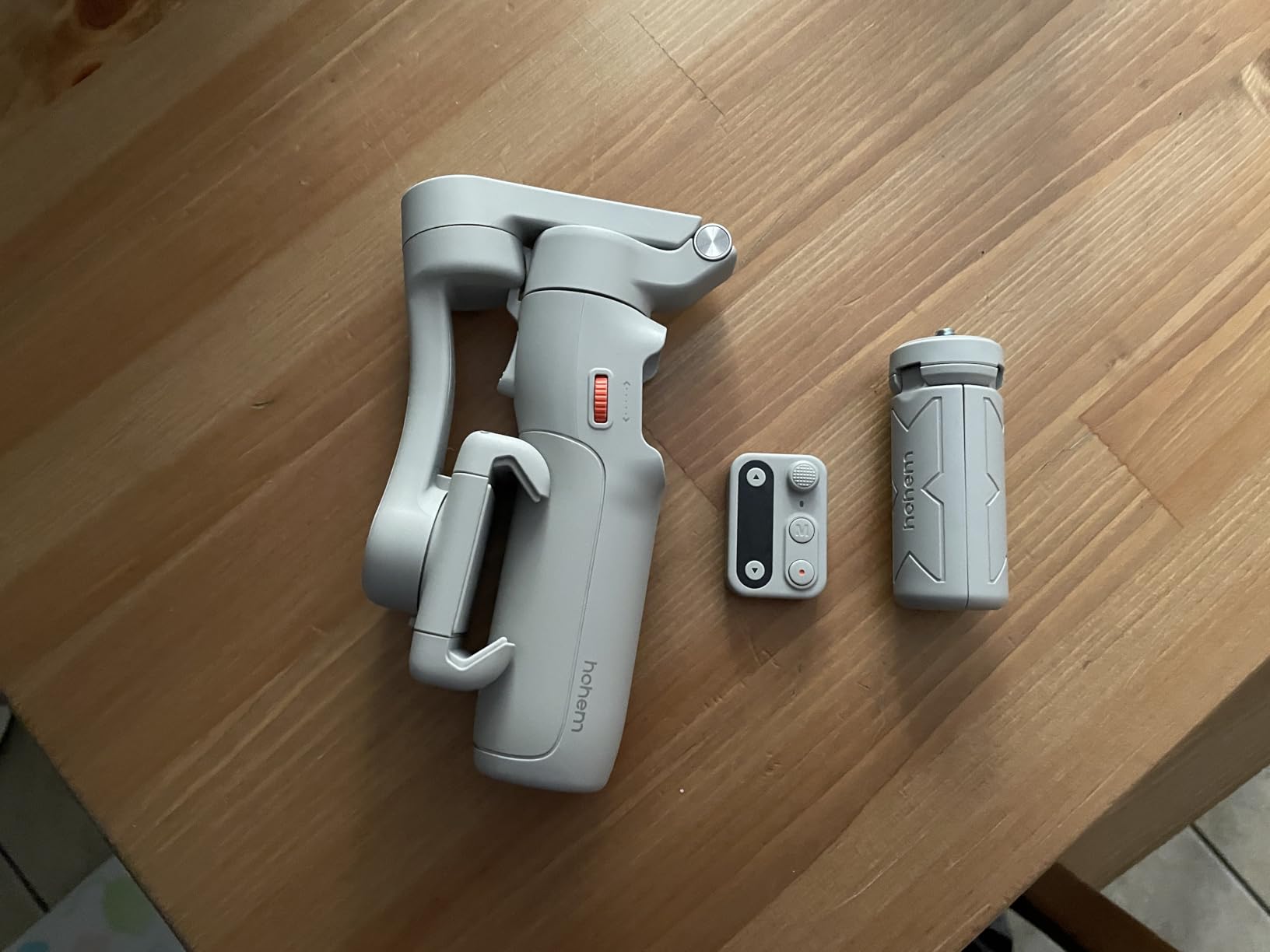
Gimbals designed specifically for iPhone have adapted to this shift. They’ve become lighter, more compact, and often include remote controls that allow recording to start and stop without touching the phone. The setup time has shortened. Folding mechanisms make them easier to carry. The friction of using one has decreased to the point where pulling it out during a trip no longer feels like overkill.
SIMILAR
iPhone and MacBook users are compensating for a port problem Apple created
iPhone users are eliminating the tangled cable from every car charging session
iPhone users are transforming nightstands into silent charging infrastructure
The behavior change is most visible in travel contexts. A few years ago, iPhone users shot handheld and accepted whatever shake came with it. Now, there’s a growing expectation that travel video should look intentional—steady pans, smooth follow shots, controlled movement. iOS provides a baseline, but the physical gimbal provides the cinematic feel that separates casual footage from something that feels worth revisiting.
What this reflects is a subtle shift in how iPhone video capability is understood. Apple marketed the camera as good enough to replace other tools, and for stills, that’s largely true. But for video, the gap between good enough and genuinely smooth hasn’t closed. The users who care about that difference are the ones now carrying gimbals again, not because iOS failed, but because their expectations outpaced what software stabilization alone could deliver.
Compact three-axis gimbals designed for iPhone, often with detachable remote controls and foldable designs, are currently available in the $50 to $65 range, reflecting a market that exists not in opposition to iOS features but alongside them.
"Note: Readers like you help support The Apple Tech. We may receive a affiliate commission when you purchase products mentioned on our website."