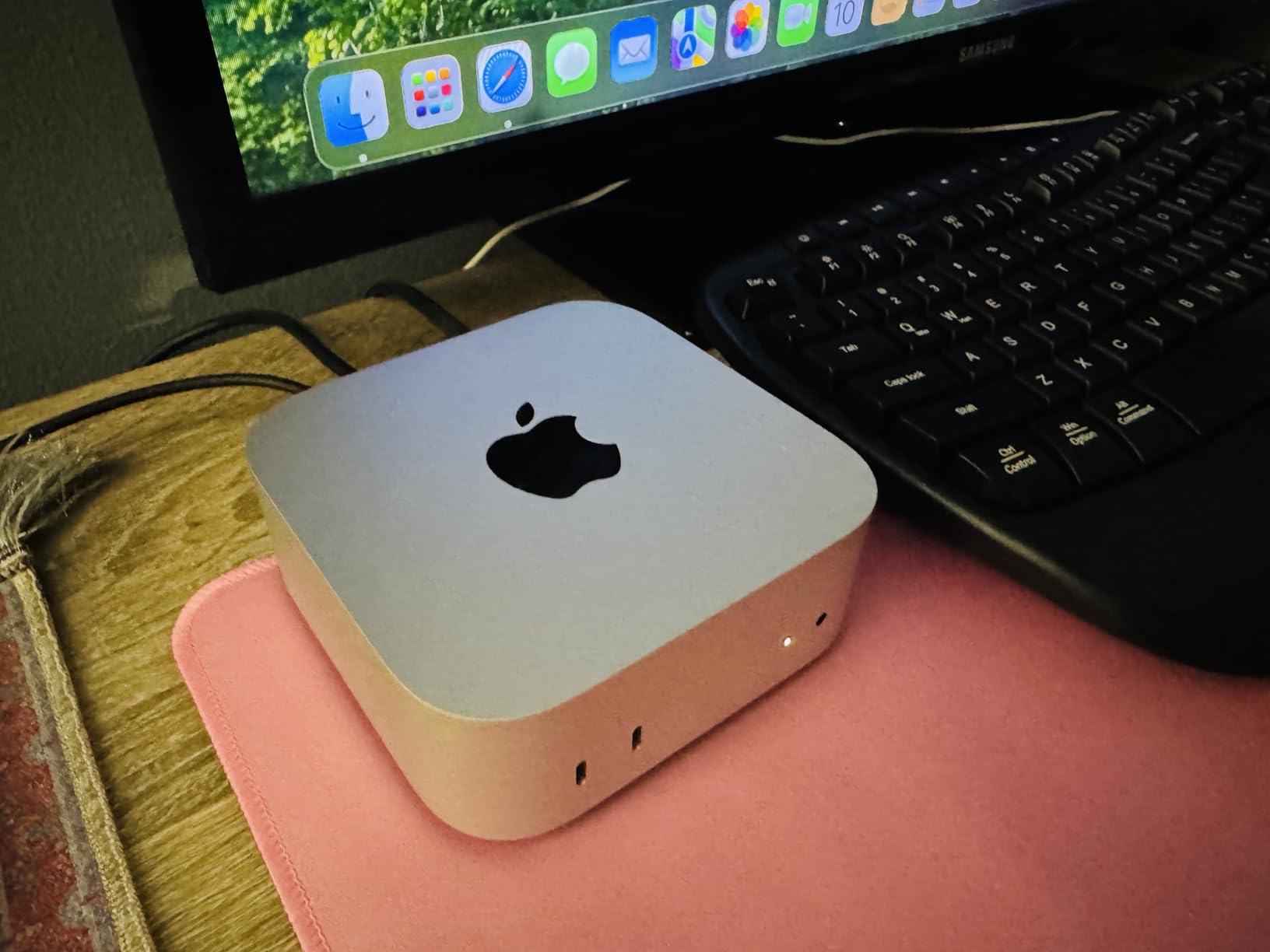
A spatial behavior change is appearing among people who maintain dedicated workspace setups. The traditional desktop computer—with its substantial physical presence—is being replaced by compact alternatives that deliver similar capabilities while occupying a fraction of the surface area.
The pattern reflects a broader rethinking of what workspace efficiency means. For years, more powerful computing meant larger enclosures to accommodate heat dissipation and component spacing. That relationship has inverted as chip efficiency has improved, and users are responding by prioritizing space reclamation over the visual presence that once signaled serious computing capability.
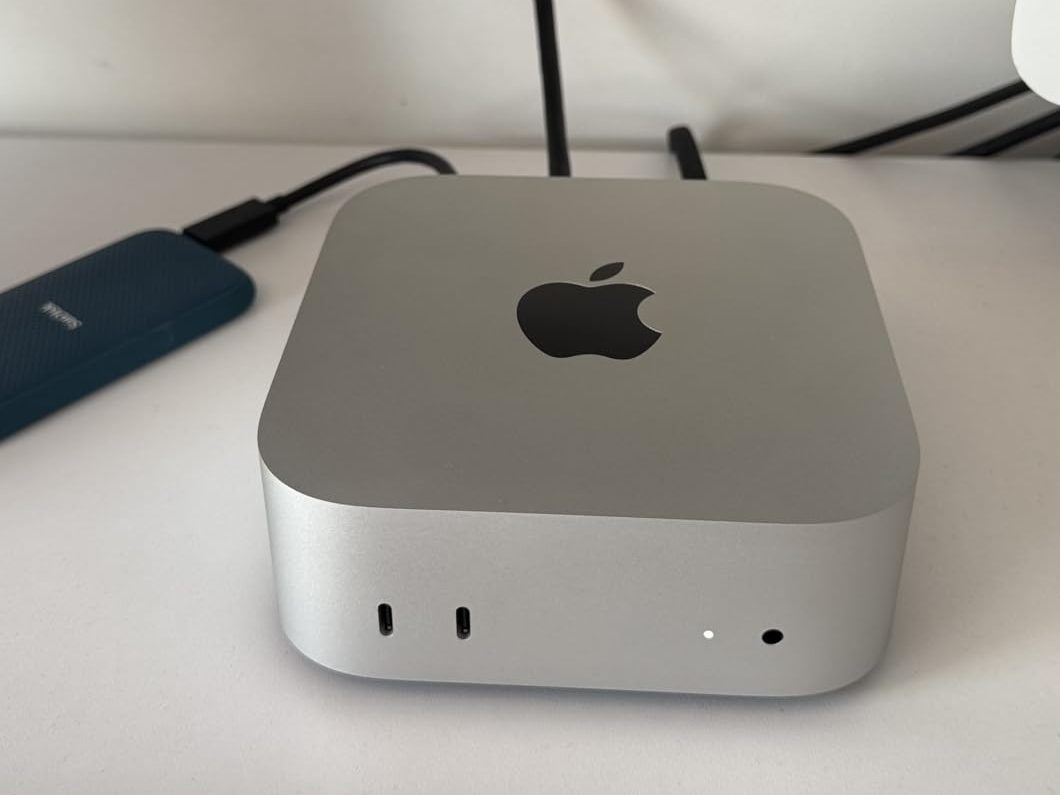
For people embedded in the Apple ecosystem, this shift allows desk surfaces to accommodate more than just computing hardware. Monitors can be positioned without working around tower placement, and the area previously occupied by computer chassis becomes available for other tools, documents, or simply empty space that makes the environment feel less cluttered.
The behavior is most pronounced among users who’ve experienced the friction of constrained desk real estate. Small apartments, shared workspaces, and home offices converted from non-office rooms all create scenarios where every square inch of horizontal surface matters. Reducing computer footprint by 80 percent or more directly translates to usability improvements in these contexts.
SIMILAR
iPhone and MacBook users are compensating for a port problem Apple created
iPhone users are eliminating the tangled cable from every car charging session
iPhone users are transforming nightstands into silent charging infrastructure
Some users report that smaller desktop hardware changes the aesthetic of their workspace in ways that influence how they think about the space itself. A large tower signals that the desk is primarily for computing, while a compact machine allows the desk to feel more multipurpose—a place where computing happens but isn’t the defining activity.
The adaptation also reveals how computing power has become decoupled from physical size in ways that weren’t true even a decade ago. Users no longer need to choose between performance and space efficiency—they can have both, which removes a constraint that previously shaped desk layouts and workspace design.
What’s emerging is a recognition that the physical presence of computing hardware was often larger than necessary for the actual computing being done. As that excess is eliminated, users are discovering that their workspaces can be both more capable and more comfortable simultaneously.
Previously listed around $599, current listings of these compact desktop options in the Apple ecosystem now appear closer to $499.
"Note: Readers like you help support The Apple Tech. We may receive a affiliate commission when you purchase products mentioned on our website."