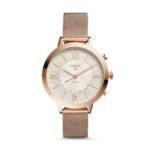


The alarm goes off, but the first interaction isn’t with a phone anymore. It’s with a wrist. Apple Watch owners are describing a behavioral shift that’s easy to miss but hard to reverse once it takes hold: the watch has become the anchor point for waking routines, not the device on the nightstand.
This isn’t about fitness tracking or heart rate monitoring. It’s about the moment between sleep and consciousness, and which device gets accessed first. For years, iPhone was the default morning checkpoint—messages, weather, calendar. Now, that sequence is migrating to the wrist, and the phone stays face-down longer.
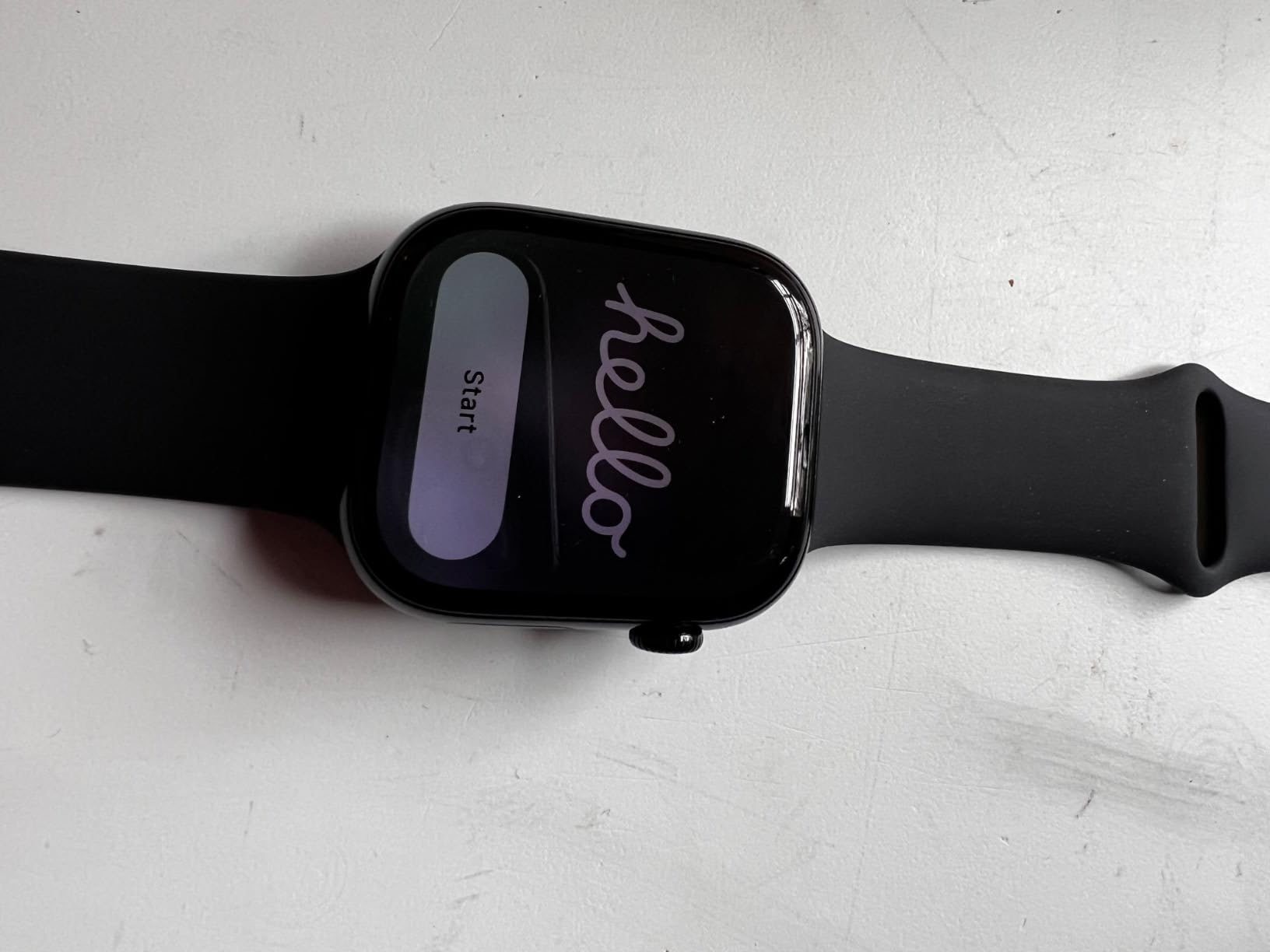
The shift is structural, not intentional. Apple Watch delivers notifications, controls alarms, and displays widgets without requiring the cognitive load of unlocking a screen. Users report that mornings feel less chaotic when the first five minutes don’t involve scrolling. The watch filters urgency; the phone amplifies it.
This reversal extends beyond mornings. Throughout the day, Apple Watch is being described as a buffer between intention and distraction. Check the time, glance at a notification, dismiss or defer—all without pulling out iPhone. The watch has become the triage layer, and iPhone is increasingly reserved for tasks that require deliberate attention.
SIMILAR
iPhone and MacBook users are compensating for a port problem Apple created
iPhone users are eliminating the tangled cable from every car charging session
iPhone users are transforming nightstands into silent charging infrastructure
The ecosystem effect is harder to ignore as more Apple devices enter daily rotation. iPad handles evening reading, MacBook anchors work sessions, and Apple Watch manages the in-between moments. Each device is carving out a behavioral lane, and users are adjusting routines to fit those lanes rather than the other way around.
There’s friction, too. Battery anxiety shifts from iPhone to Apple Watch. Charging becomes a two-device habit. Notifications feel redundant when they appear on both wrist and screen. The watch simplifies some behaviors while introducing new dependencies that weren’t there before.
What started as a fitness accessory is now functioning as a behavioral gatekeeper. Apple Watch decides which moments deserve full attention and which can be handled at a glance. That role is expanding, and the morning alarm is just the most visible example of a much larger pattern taking shape across the day.
Previously listed around $430, current pricing has adjusted to approximately $405.
"Note: Readers like you help support The Apple Tech. We may receive a affiliate commission when you purchase products mentioned on our website."