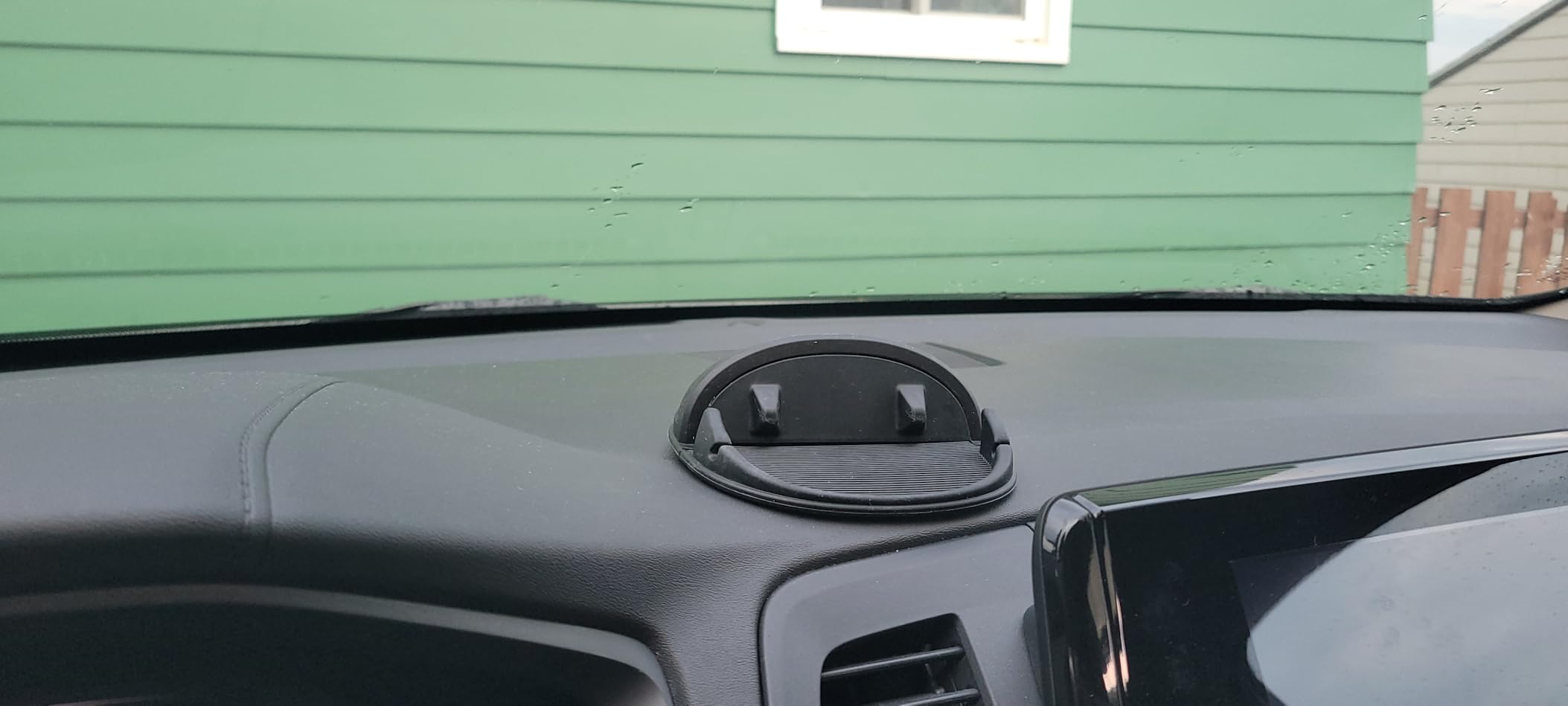
Apple has spent years refining the in-car iPhone experience. CarPlay integrates with the dashboard. MagSafe mounts snap the phone into place. Siri handles navigation, calls, and messages without a finger leaving the wheel. Yet a significant share of drivers opt out of all of it, choosing instead to rest their phone on a sticky silicone pad affixed to the dashboard.
The behavior isn’t about rejecting technology—it’s about rejecting commitment. MagSafe mounts require a case, or at least a willingness to let magnets dictate how the phone sits. Vent clips block airflow. Suction cups leave marks. Dashboard mounts often fail in extreme heat or cold, their adhesive weakening until the whole apparatus slides off mid-turn.
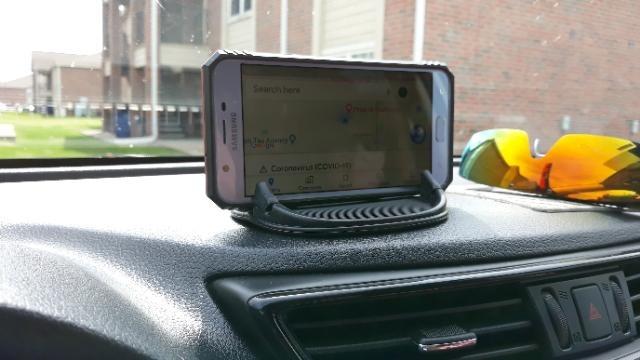
The silicone pad solves none of these problems elegantly, but it solves all of them adequately. It holds the phone in place through friction, not force. It works with any case, or no case. It doesn’t obstruct vents, block the windshield, or leave residue. And critically, it can be peeled off and relocated without guilt when the car changes hands or the driver’s needs shift.
This is ecosystem friction at its most mundane. Apple designs for permanence and integration—your phone locked into place, your car’s interface unified with iOS. But drivers resist permanence. They change cars. They borrow cars. They Uber, Lyft, Turo, or rent. The phone needs to be portable across contexts, and any mounting solution that assumes stability in one vehicle becomes a liability in another.
SIMILAR
iPhone and MacBook users are compensating for a port problem Apple created
iPhone users are eliminating the tangled cable from every car charging session
iPhone users are transforming nightstands into silent charging infrastructure
CarPlay adoption remains strong, but it doesn’t eliminate the need for the phone itself to be visible and accessible. Navigation apps still default to the phone’s screen for many users. Spotify controls, messages, and glanceable information all live on the device, not just the dashboard. The silicone pad becomes the neutral zone where the phone can exist without magnets, clips, or the nagging sense that you’ve permanently altered the car’s interior.
Previously listed at $19.99, current listings hover around $11.98. That price point reflects the accessory’s status as a low-commitment hedge against Apple’s high-commitment in-car ecosystem.
The irony is that Apple has built the most sophisticated in-car software experience in the industry, yet a meaningful portion of its users still prefer a $12 piece of rubber to actually using it. The friction isn’t technical—it’s behavioral, and it persists.
"Note: Readers like you help support The Apple Tech. We may receive a affiliate commission when you purchase products mentioned on our website."