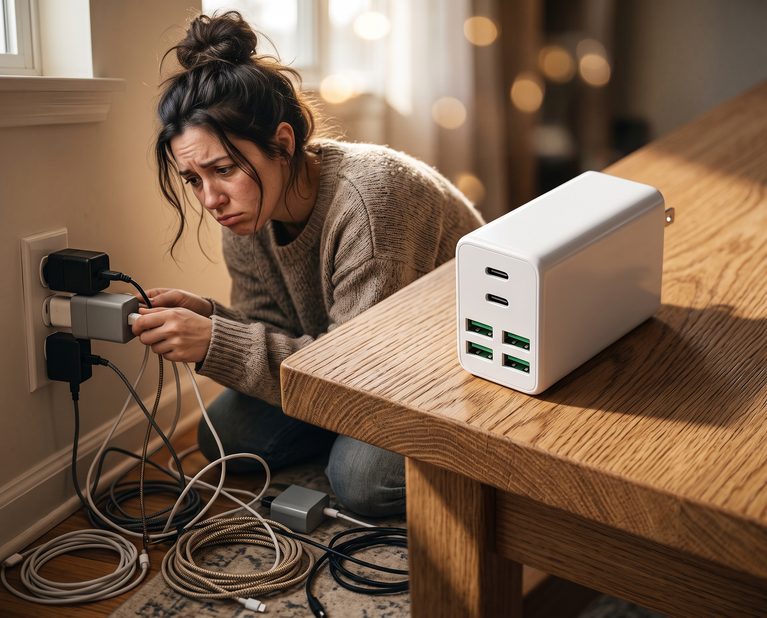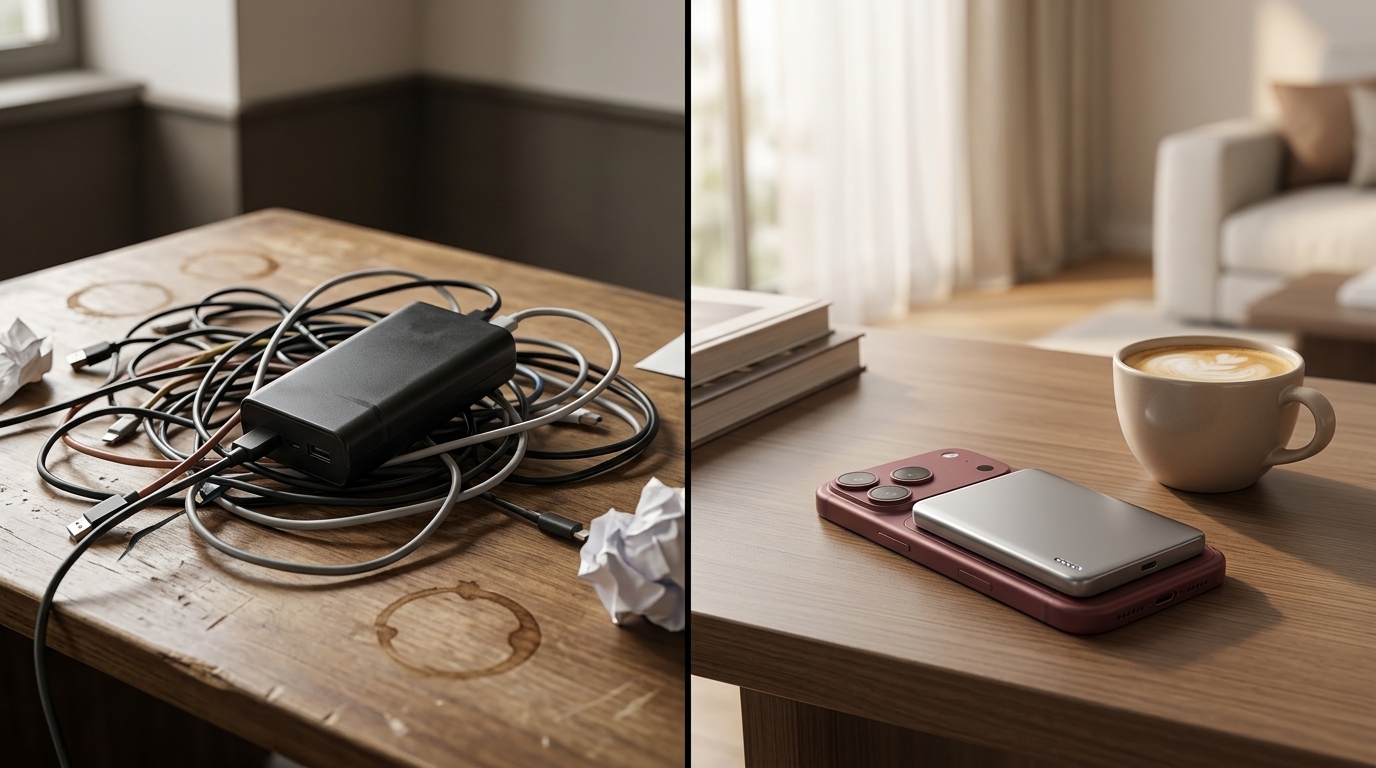

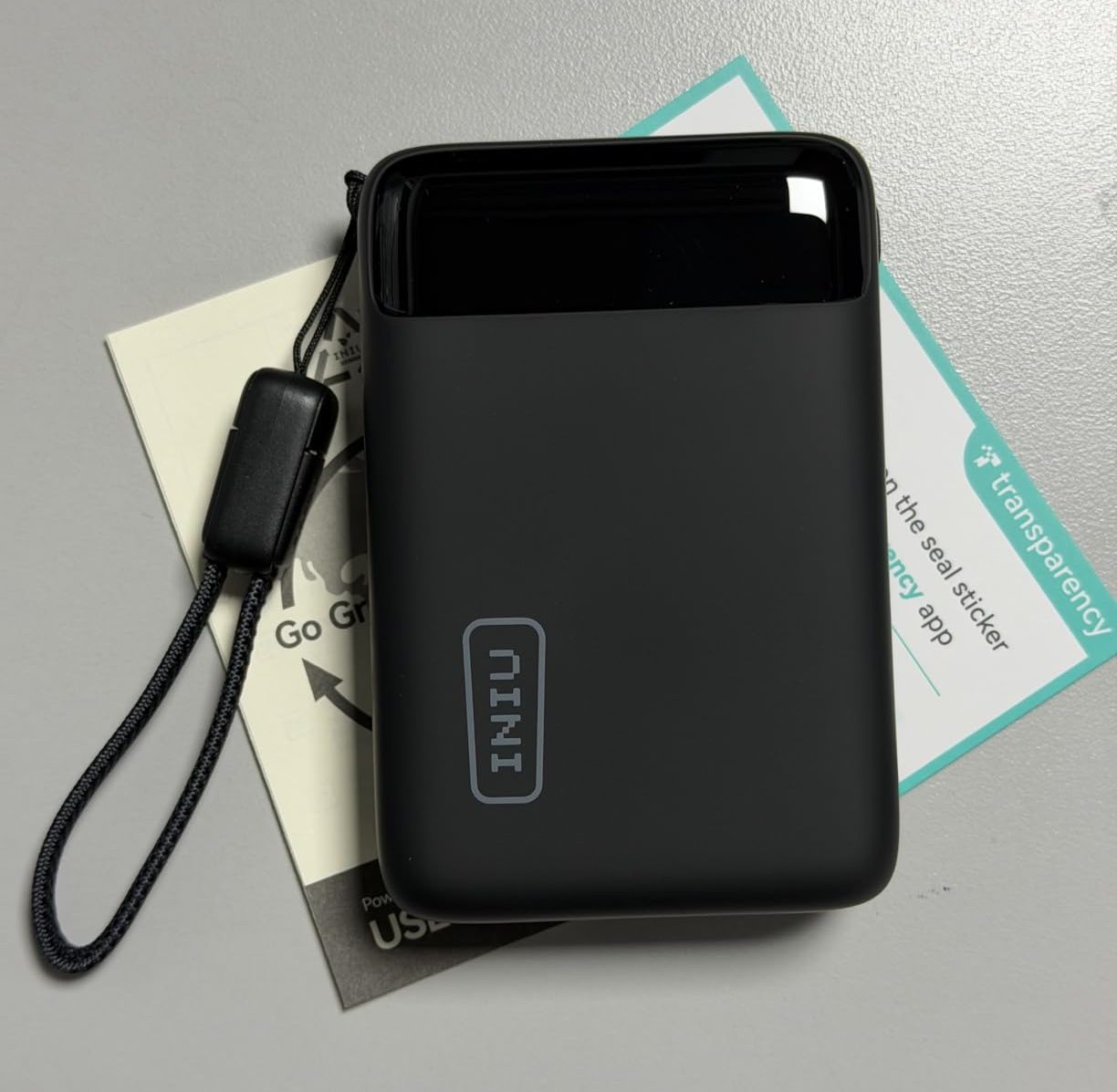
Apple has spent years optimizing iPhone battery life, promising all-day performance under typical use. Yet a sizable portion of users operates under a different reality: by 3 PM, the battery is below 40%, and the mental calculus of rationing begins. Do you dim the screen? Close background apps? Skip the camera when something worth photographing appears?
The anxiety isn’t about the phone dying—it’s about the phone dying at the wrong moment. Mid-navigation. Mid-call. Mid-transaction at a checkout counter where Apple Pay is the only payment method loaded. The phone has become infrastructural, and infrastructure failure has consequences that ripple outward into missed connections and logistical scrambles.
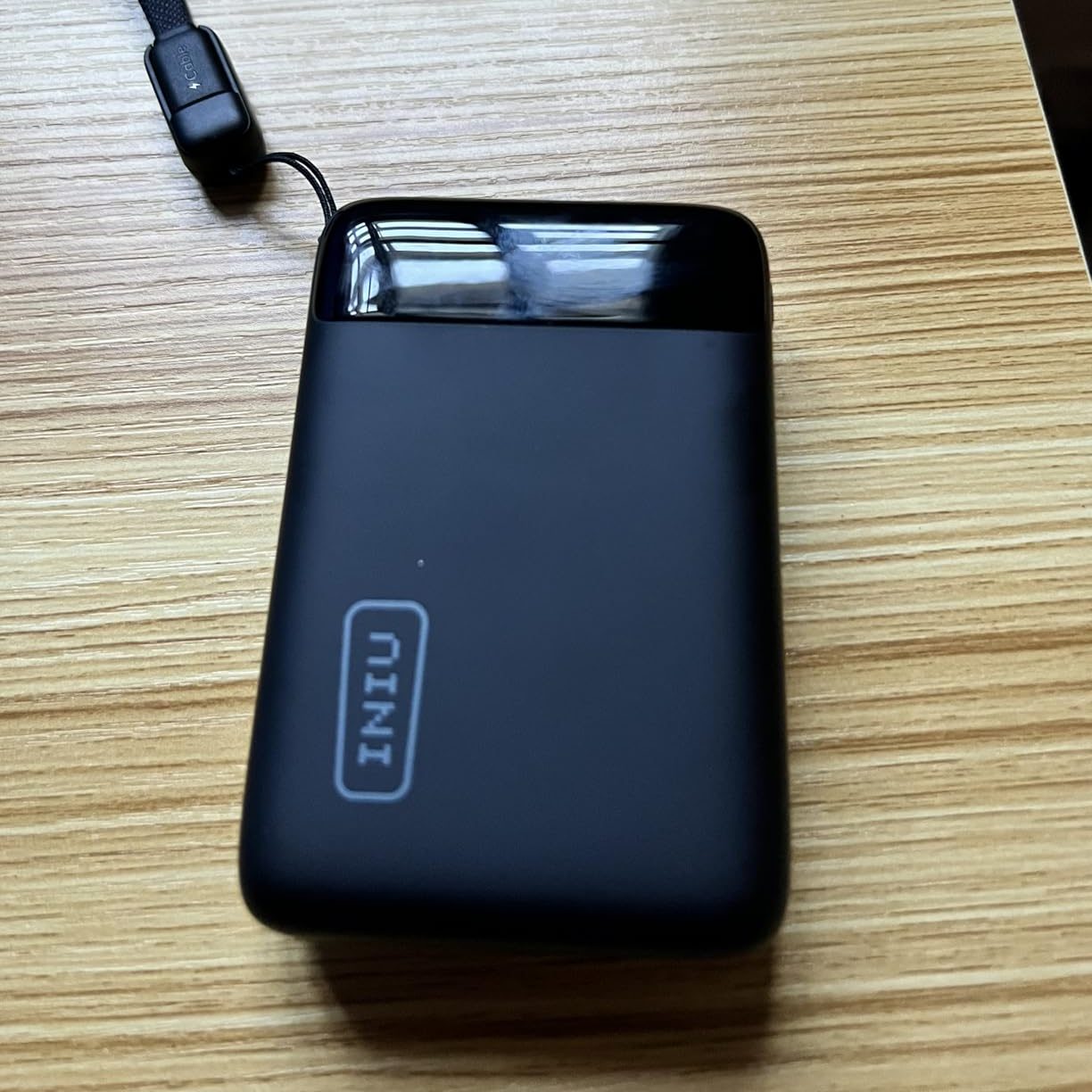
What’s emerged is a new behavioral pattern: continuous battery monitoring. Not the occasional swipe to check percentage, but a persistent awareness enabled by external displays that broadcast the number in real-time. The percentage becomes a form of ambient awareness—not something you check, but something you always know, hovering at the edge of attention.
This monitoring behavior shows up most clearly in users who carry high-capacity power banks equipped with LED readouts. The display shows not just the phone’s battery level, but the power bank’s reserves—a two-tier system of energy management that turns charging into a strategic game. You’re not just keeping the iPhone alive; you’re keeping the backup alive so it can keep the iPhone alive tomorrow.
SIMILAR
iPhone and MacBook users are compensating for a port problem Apple created
iPhone users are eliminating the tangled cable from every car charging session
iPhone users are transforming nightstands into silent charging infrastructure
Apple’s ecosystem assumes charging happens in discrete moments—overnight, at a desk, in a car. But modern usage patterns are messier. The phone gets used heavily during a commute, sits idle during a meeting, gets hammered again during lunch, then limps through the afternoon on 22% while the user debates whether it’s worth finding an outlet or just living with the anxiety.
The power bank becomes a hedge against that anxiety, but it also becomes another object to monitor, charge, and carry. The iPhone’s battery life problem doesn’t get solved—it gets deferred to a secondary battery, which itself becomes a source of low-grade stress when it drops below 50%.
What’s interesting is how this mirrors the broader ecosystem tension between Apple’s idealized use cases and the chaotic, high-drain reality of how people actually use their devices. The company optimizes for efficiency, but users optimize for survival. The gap between those two strategies is where the battery percentage lives, constantly refreshing, always visible, never quite reassuring.
Previously listed at $36.99, current listings hover around $26.97. That pricing reflects the power bank’s role as essential infrastructure for users who’ve learned that all-day battery life is a benchmark, not a guarantee, and that the gap between the two requires constant vigilance and a backup plan strapped to the phone’s charging port.
"Note: Readers like you help support The Apple Tech. We may receive a affiliate commission when you purchase products mentioned on our website."