Apple users have been navigating multi-device charging for years. iPhone, Apple Watch, AirPods—each with its own power requirements, each needing attention overnight. It’s a solved problem in the sense that solutions exist, but it’s not an eliminated problem.
Google’s Pixel ecosystem now mirrors this structure. A Pixel phone, Pixel Watch, Pixel Buds—three devices, three charging needs. And like Apple users, Pixel owners are discovering that having multiple Google products doesn’t automatically mean easy charging.
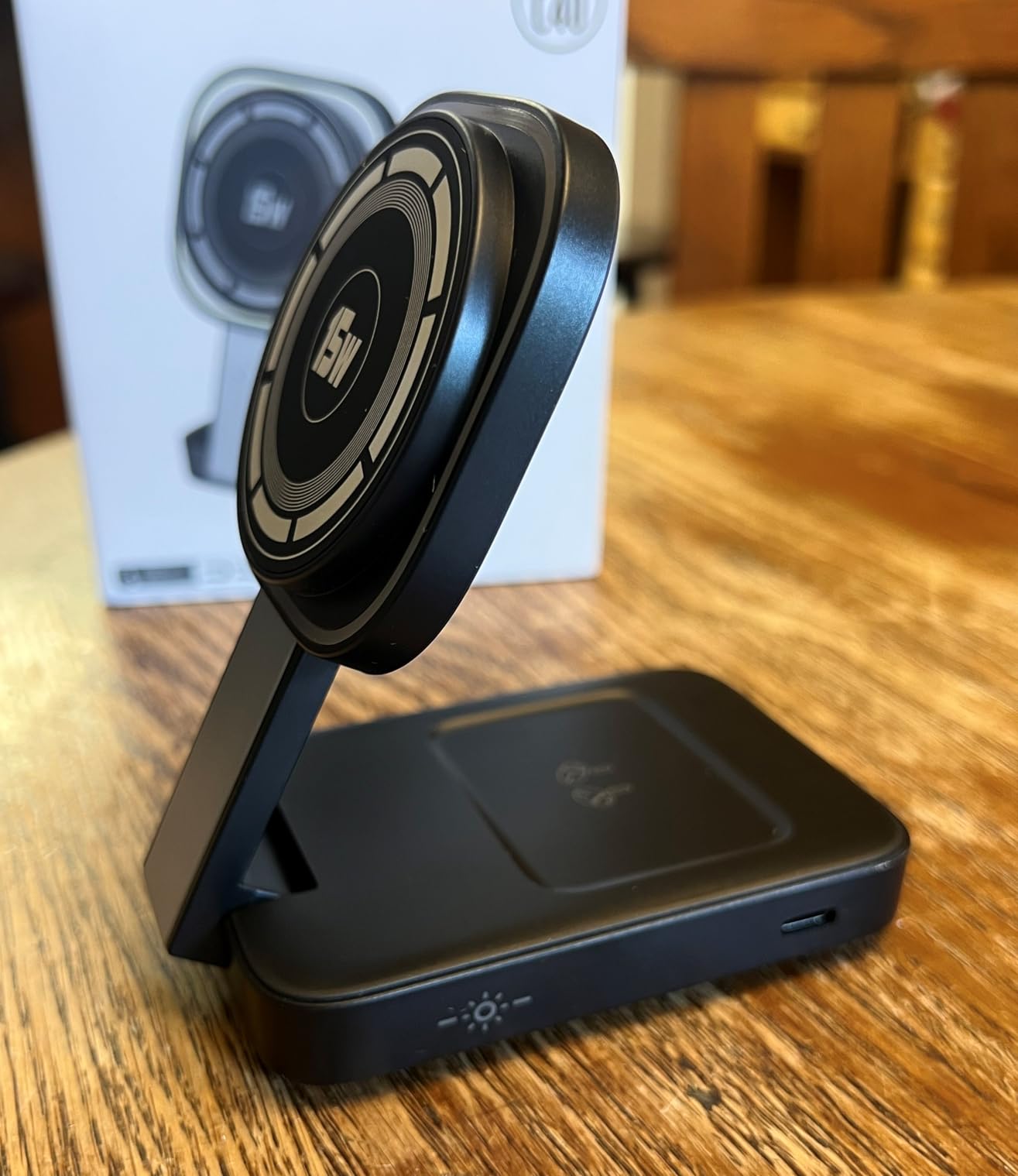
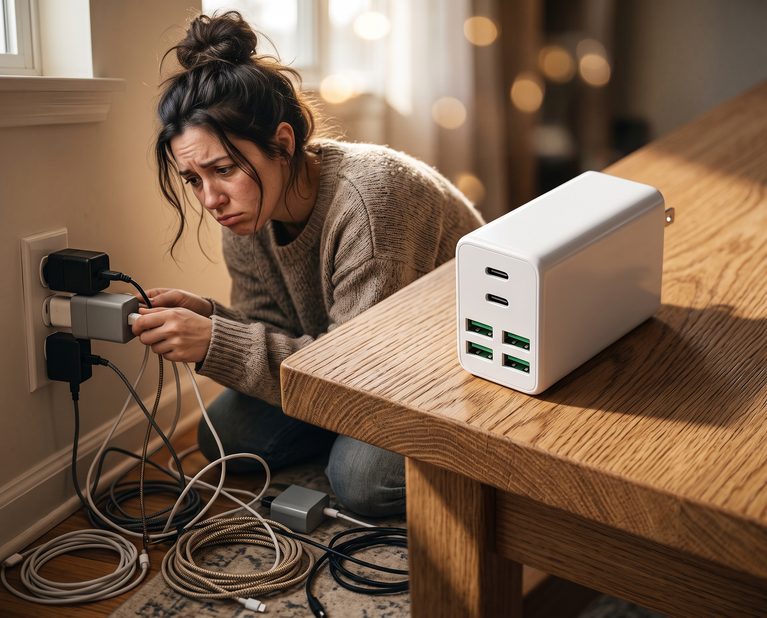
The watch doesn’t charge via USB-C. The earbuds do, but the case has to be positioned correctly. The phone charges fastest with specific wattage. Each device is individually straightforward, but collectively they require planning.
This has created demand for consolidated charging stations—single objects that handle all three devices at once. They’re not made by Google, which is telling. Apple doesn’t make a three-device charger either, despite years of users requesting one. Both ecosystems rely on third-party solutions to solve a first-party problem.
What’s notable is how similar the behavior patterns are. Pixel users are adopting the same nightstand rituals as iPhone users: checking that each device is positioned correctly, confirming that charging has actually started, waking up to assess success.
The friction isn’t unique to either ecosystem. It’s inherent to having multiple wearables and accessories. Each company designs elegant individual products, but the collective experience remains logistically complex.
There’s also the compatibility question. A charging station built for Pixel devices doesn’t work with Apple products, and vice versa. If you switch ecosystems—or if you live with someone who uses the other one—the charging infrastructure doesn’t transfer. You’re rebuilding from scratch.
Previously listed at $42.99, some Pixel-specific charging solutions now sit near $38.68, though the price reflects a broader truth: every hardware ecosystem eventually faces the same charging problem, and no company has fully solved it at the first-party level.
"Note: Readers like you help support The Apple Tech. We may receive a affiliate commission when you purchase products mentioned on our website."