
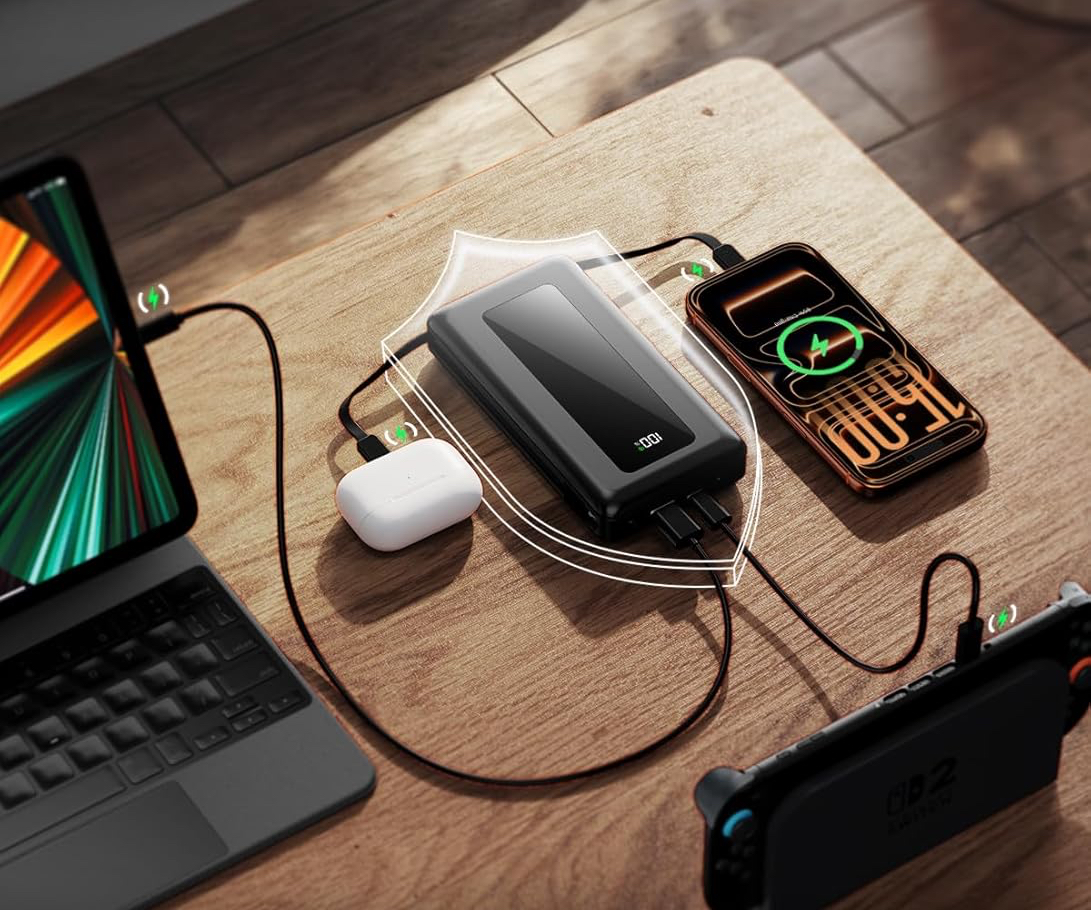
Battery anxiety predates the iPhone, but the iPhone made it universal. A dead phone used to mean missed calls. Now it means lost navigation, inaccessible boarding passes, broken payment methods, and severed communication. The stakes feel higher.
For most users, the iPhone’s battery is adequate. A full charge in the morning typically lasts until evening. But “typically” isn’t “always,” and the exceptions create worry. A long day. An unexpected detour. Heavy camera use. Suddenly the phone is at 20%, and the rest of the day feels precarious.
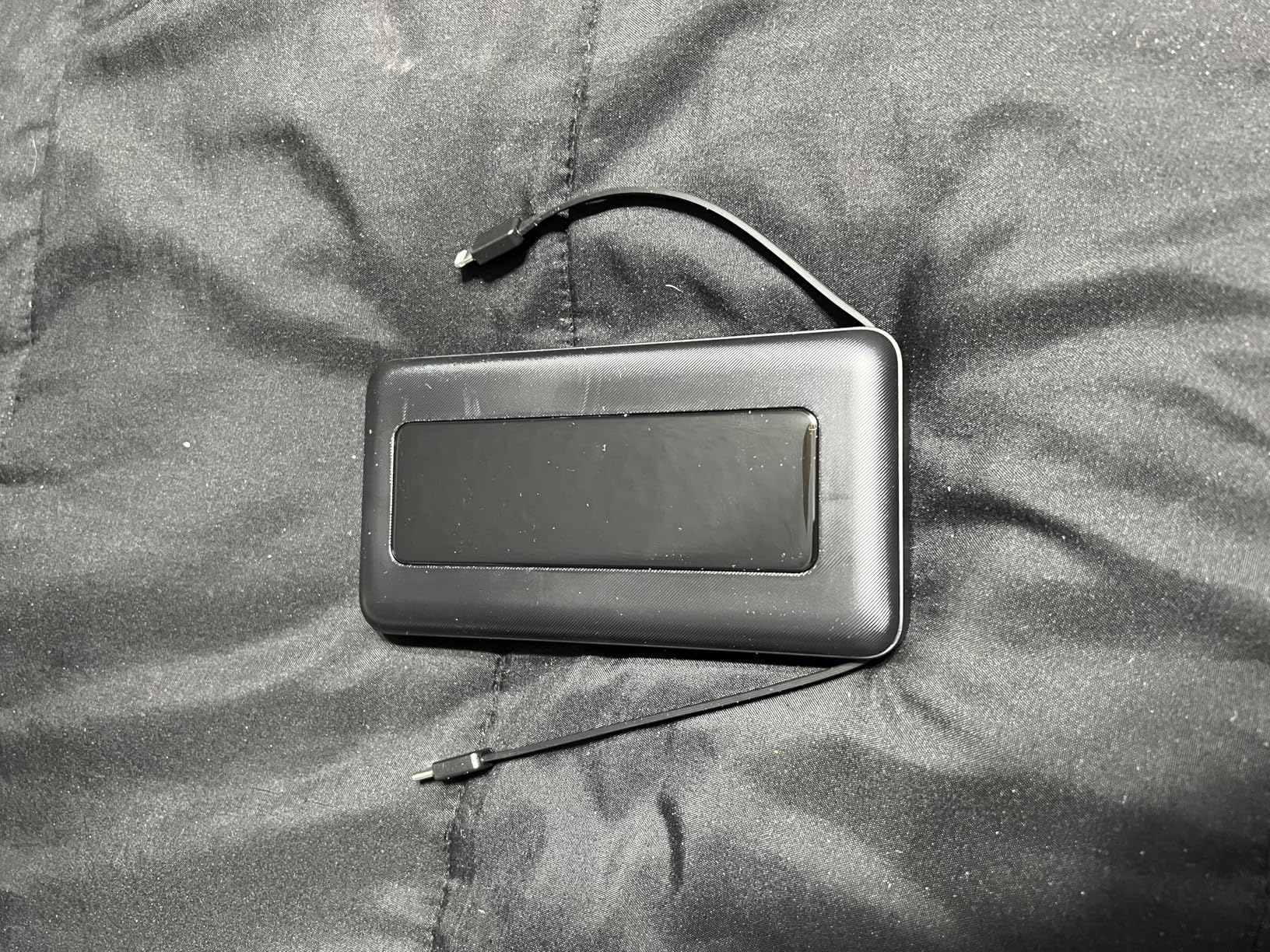
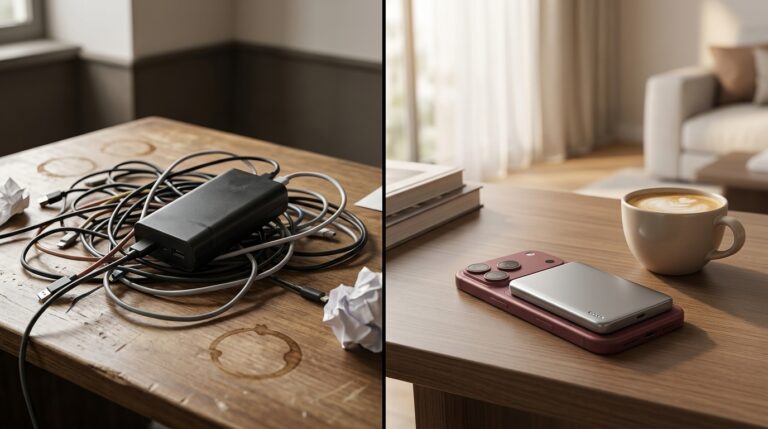
This has fueled demand for portable chargers—external batteries that can recharge an iPhone multiple times over. The capacity numbers have escalated dramatically. Five thousand milliamp-hours used to be standard. Now people carry packs rated at fifty thousand, enough to charge an iPhone ten or more times.
The logic is preemptive. You’re not carrying that much capacity because you need it every day. You’re carrying it because you might need it on a day when you can’t get to an outlet. It’s insurance against a scenario that may never happen, but the cost of being wrong feels too high.
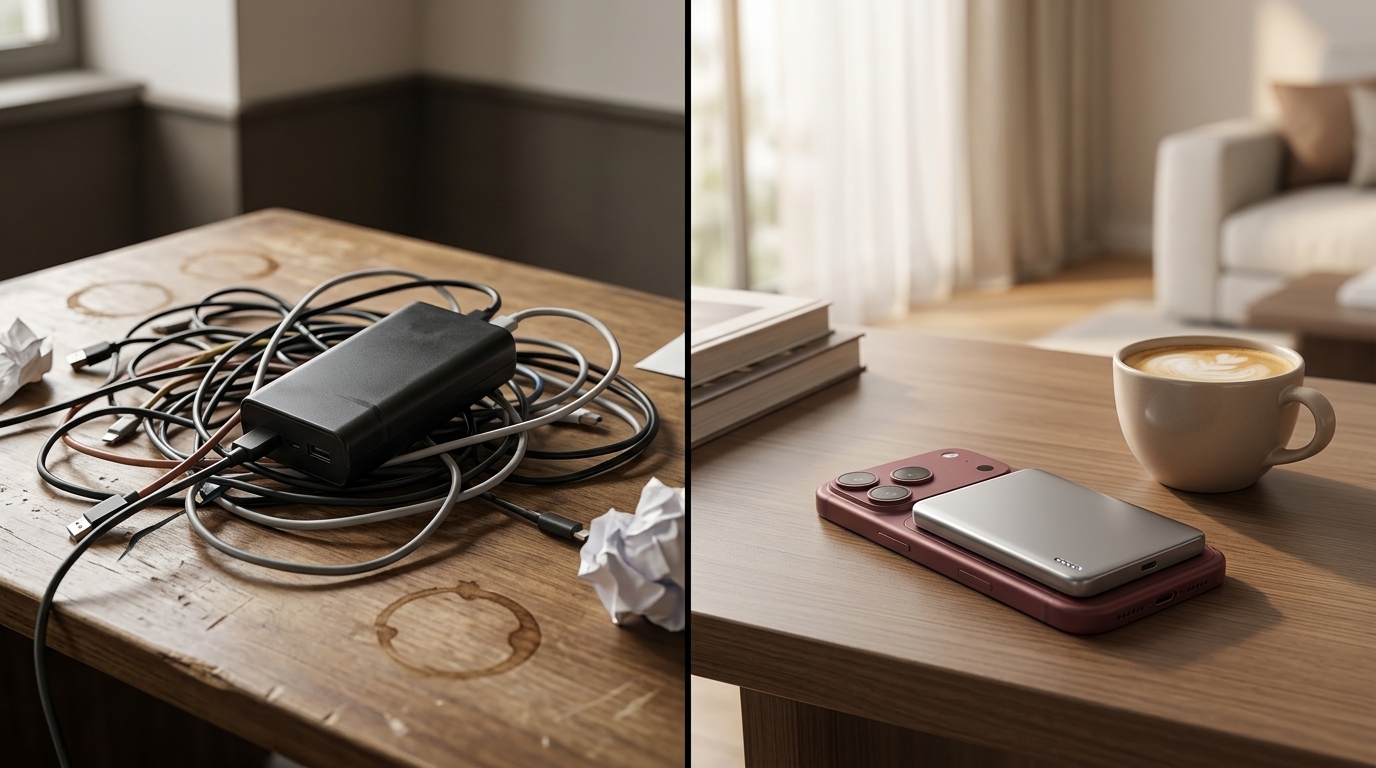
What’s notable is the physical trade-off. These high-capacity packs are heavy and bulky. They don’t fit in a pocket. They add weight to a bag. In many cases, they’re heavier than the iPhone itself. But people carry them anyway, which suggests the psychological burden of battery anxiety outweighs the physical burden of extra equipment.
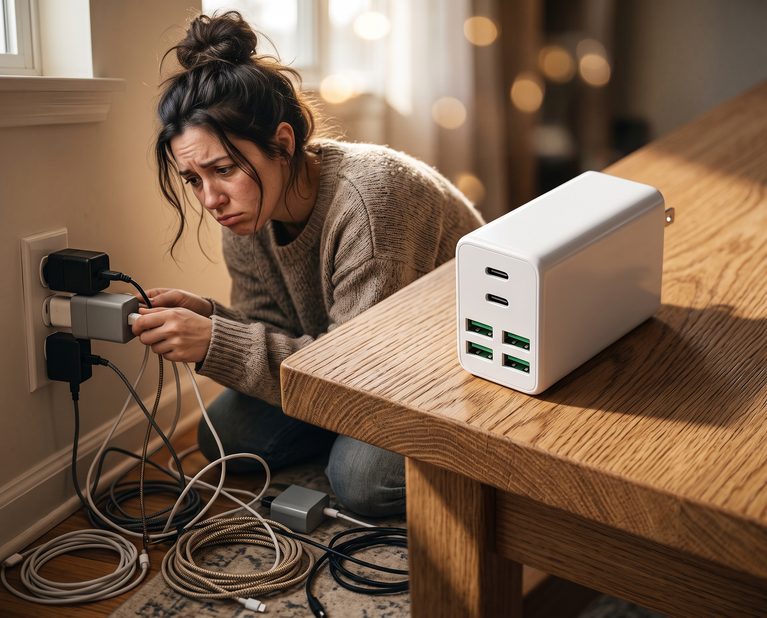
There’s also a shift in how people think about charging. It used to be location-dependent—find an outlet, plug in, wait. Now it’s device-dependent—carry the power source with you. The outlet becomes less relevant. The battery pack becomes the primary charging infrastructure.
Some people use these packs daily. Others carry them for months without needing them, but the act of carrying provides reassurance. The battery pack is less a tool than a talisman—a hedge against the possibility of being stranded without power.
Previously listed at $53.99, some high-capacity options now appear near $29.99, though the price isn’t driving the behavior—it’s the creeping realization that the iPhone’s internal battery, however good, isn’t quite enough to eliminate worry entirely.
"Note: Readers like you help support The Apple Tech. We may receive a affiliate commission when you purchase products mentioned on our website."