
For years, the dominant iPhone car mounting strategy was dashboard or windshield placement. High, centered, easy to glance at. The logic was clear: keep navigation visible without requiring drivers to look down.
But that positioning creates visual clutter. The phone occupies space in your field of view, even when you’re not actively looking at it. It’s there, always present, a rectangle between you and the road. In some vehicles, it partially obscures important sightlines—intersections, pedestrians, traffic signals.
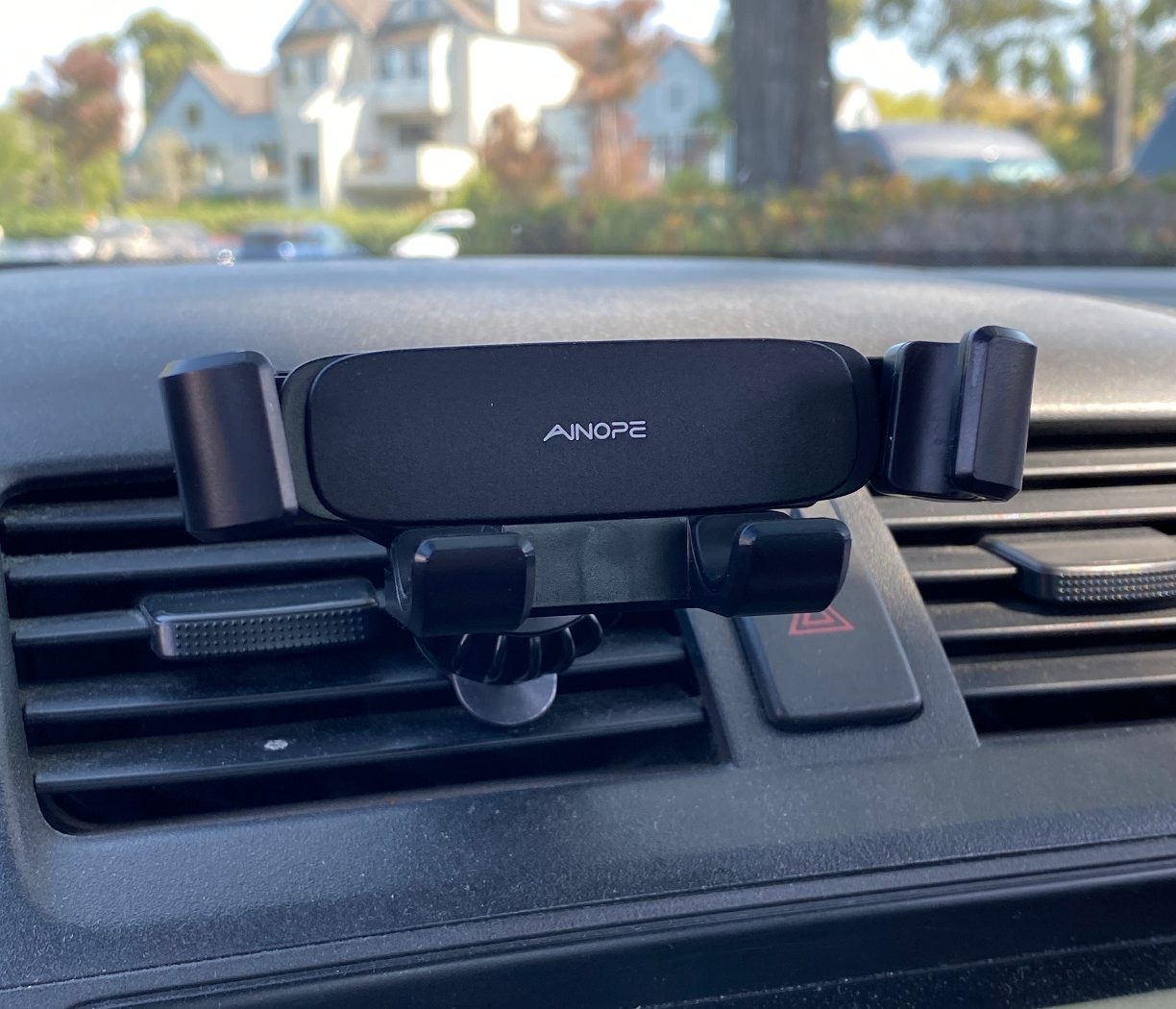
Air vent mounting shifts the phone lower and to the side. It’s still within reach, still visible with a quick eye movement, but it’s not central. The windshield stays clear. The view stays unobstructed.
This changes the relationship between driver and device. With a dashboard mount, the phone feels like part of the car’s interface—almost like a built-in display. With an air vent mount, it feels more like a guest device that’s temporarily docked. The distinction is subtle, but it affects how often people look at it.
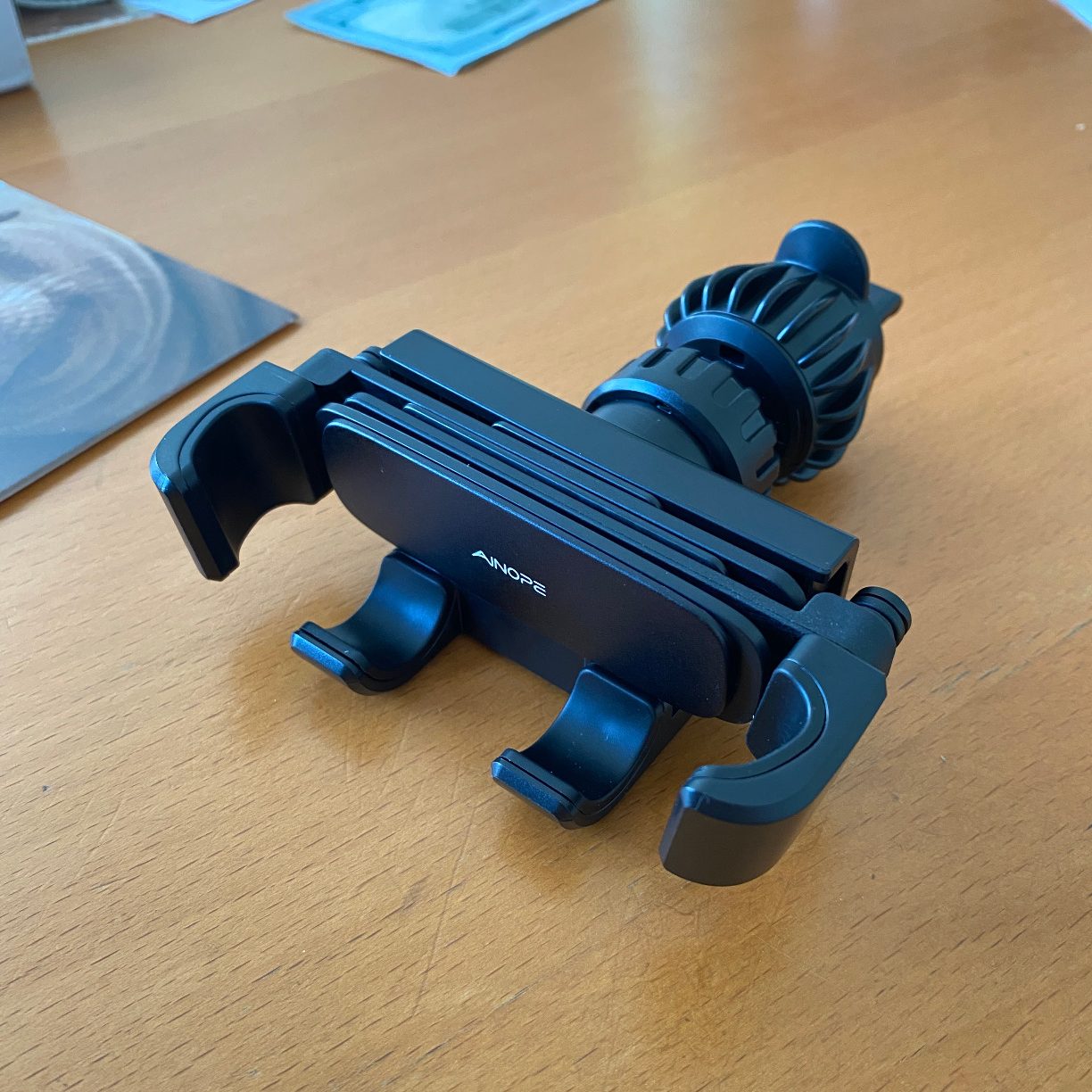
There’s also a practical consideration: air vents are already there, built into every car, positioned at a useful height. Using them for mounting means no adhesive, no suction cups, no semi-permanent installations. The phone clips in, the phone clips out. It’s reversible and doesn’t leave marks.
But air vent mounting has limitations. The phone blocks airflow from that vent, which matters in extreme temperatures. The vent slats can be fragile—aggressive mounting can damage them. And if the vent is angled oddly, the phone might not sit in an ideal viewing position.
Some drivers rotate between mounting styles depending on the trip. Long highway drives where navigation is constant might justify a dashboard mount. Short city drives where the route is familiar might use the air vent, or no mount at all.
What’s revealing is how many people have moved away from the dashboard entirely, despite it being the most visible option. The shift suggests that having the iPhone always in your central field of view isn’t as desirable as it initially seemed—that sometimes peripheral placement is preferable, even if it requires slightly more effort to check. Previously listed at $17.98, some air vent options now appear near $13.98, though the price isn’t driving the change—it’s a quiet recalculation of how much visual space the iPhone should occupy while driving.
"Note: Readers like you help support The Apple Tech. We may receive a affiliate commission when you purchase products mentioned on our website."