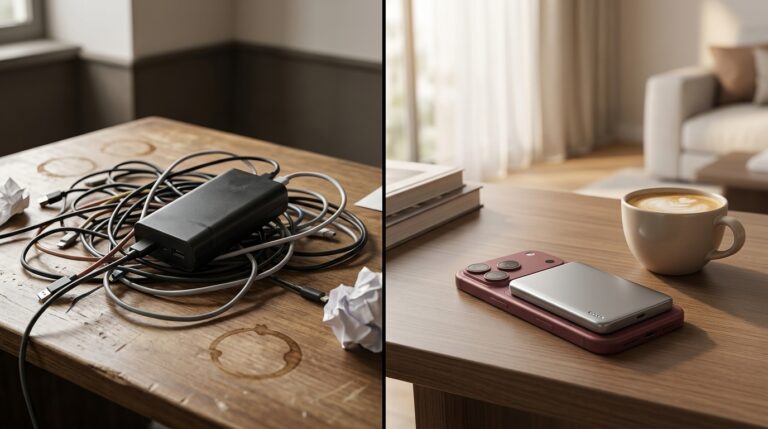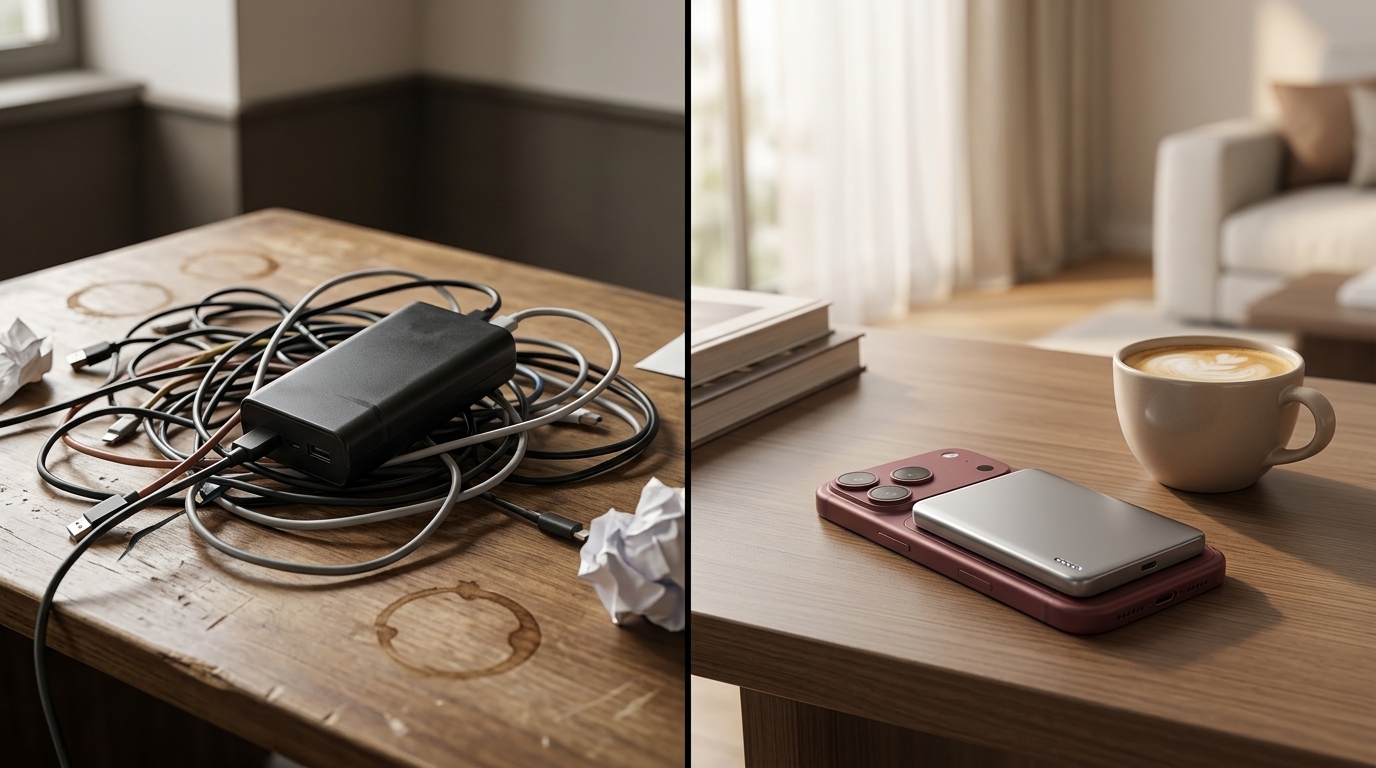

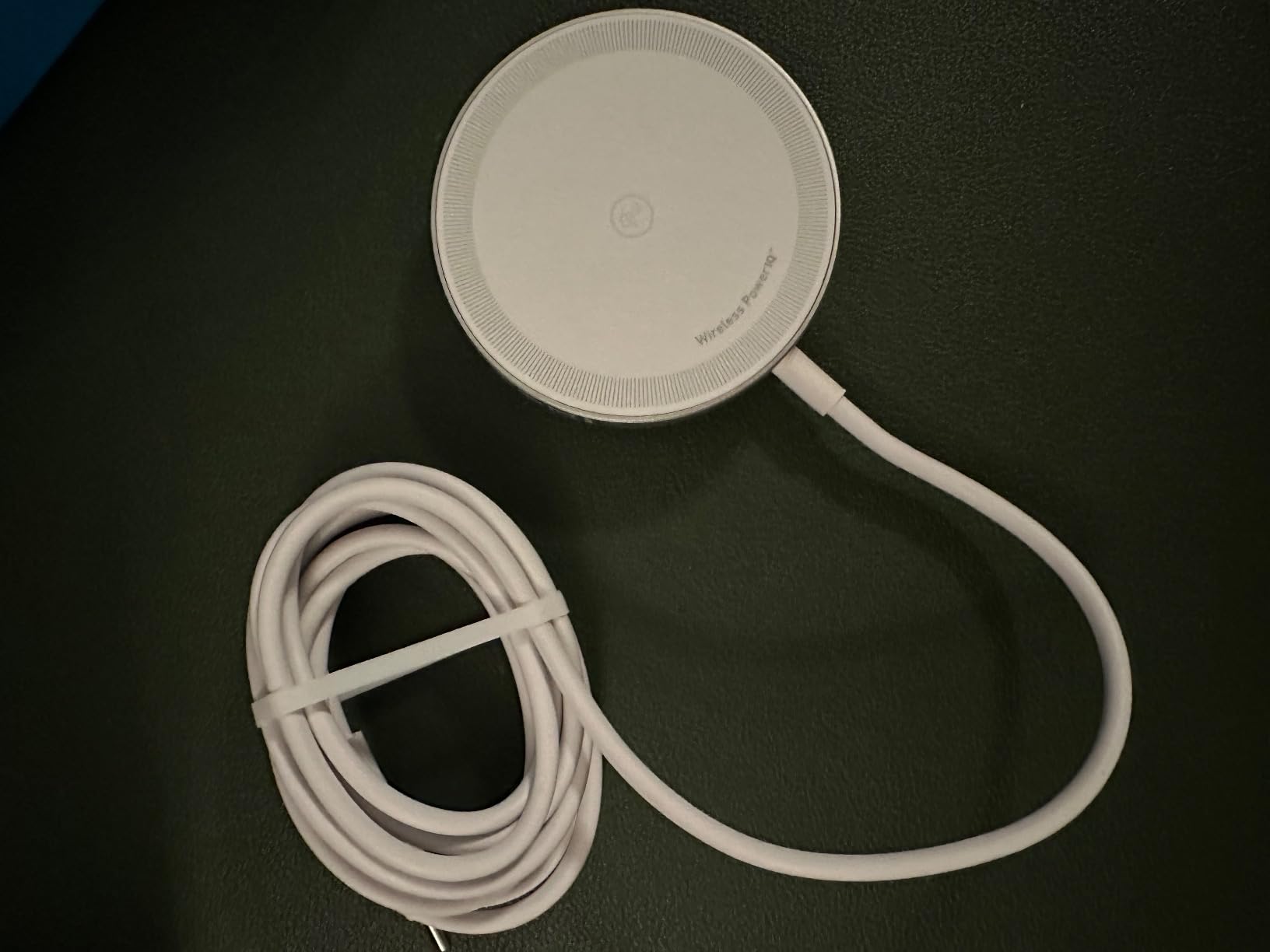
The charger worked identically to Apple’s own MagSafe pad, which was the intended outcome of standardization—and also its complication. Qi2 certification means third-party chargers can deliver the same 15W charging speeds with identical magnetic alignment that previously only Apple-certified MagSafe accessories could provide. The iPhone doesn’t distinguish between them.
This represents a significant shift in ecosystem dynamics. For years, getting full wireless charging speeds on iPhone required buying Apple’s accessories or paying for MFi certification. Qi2 opens this to any manufacturer meeting the standard, which increases competition and drives prices down while maintaining the user experience Apple designed.
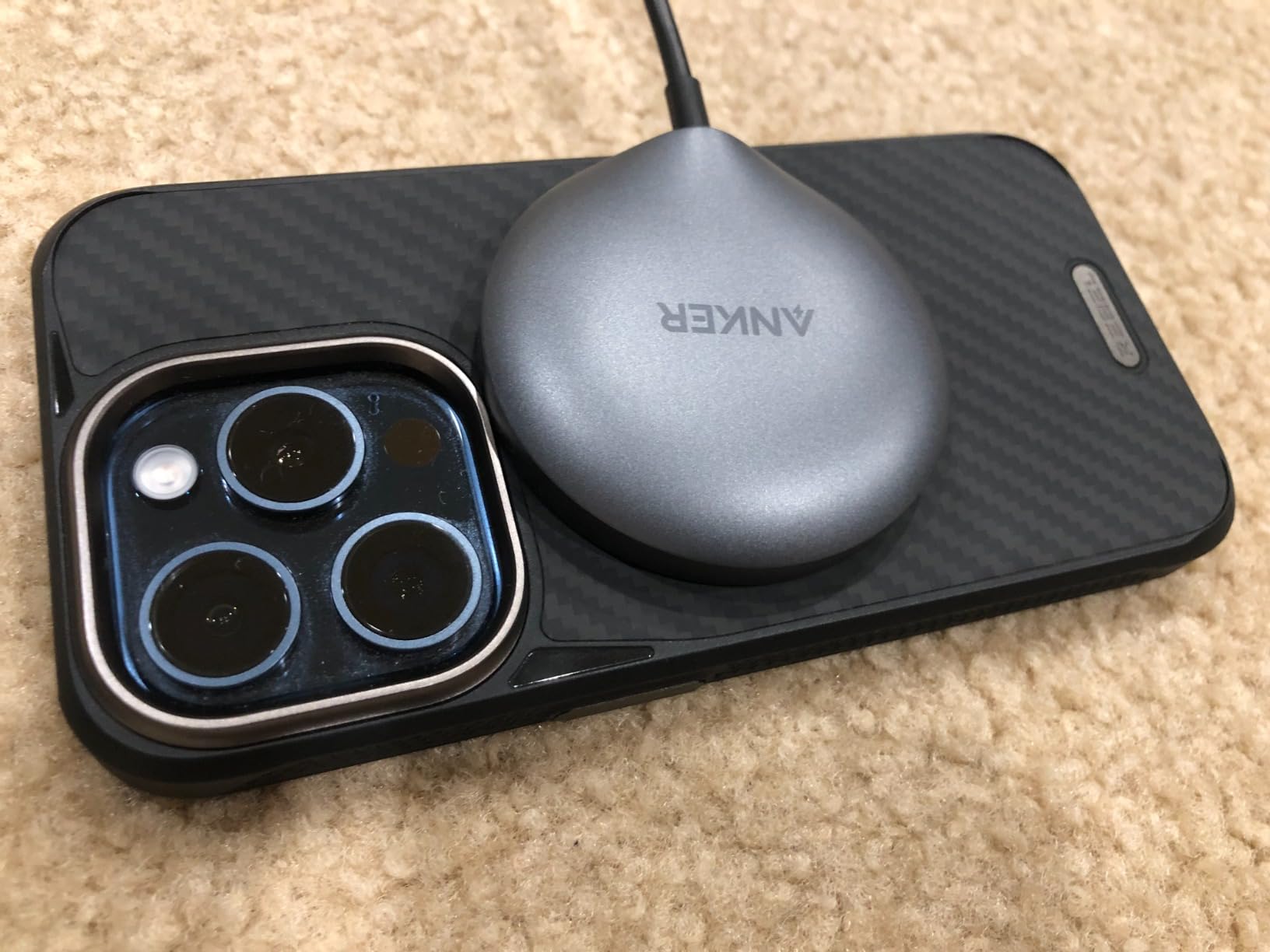
The pad form factor—as opposed to stands—reflects different usage patterns. Pads are for nightstands and desks where the phone lies flat during charging. They’re minimal, unobtrusive, and work equally well in portrait or landscape orientation. Users who primarily charge overnight or during focused work periods often prefer pads to stands.
But flat charging creates a tension with iOS features like StandBy mode, which activates when the iPhone charges in landscape orientation on a stand. Pads work with phones in any orientation, which means they don’t automatically trigger the always-on display clock interface. Users choosing pads over stands are implicitly choosing basic charging over iOS’s enhanced charging-time features.
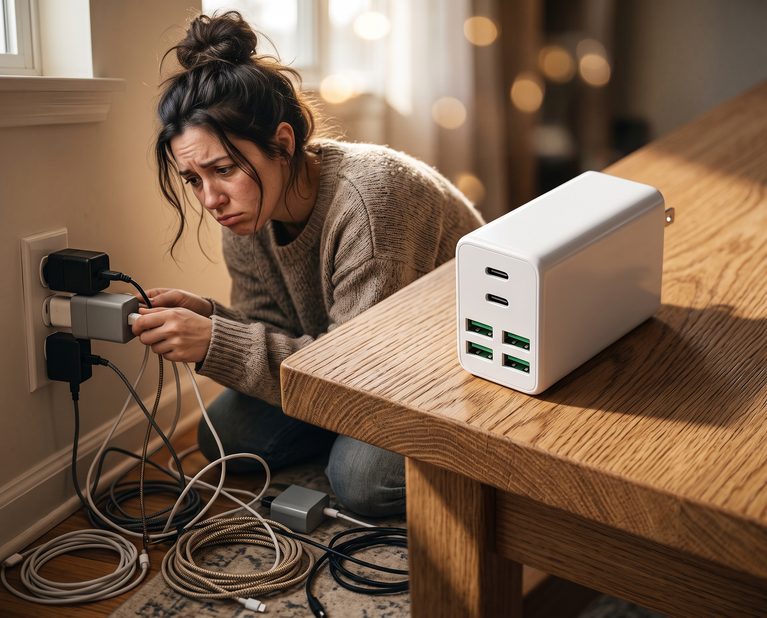
The “no adapter” specification is notable. Many wireless chargers now ship without wall adapters, assuming users already have USB-C power delivery adapters from other devices. This reduces packaging and cost but can frustrate first-time wireless charging adopters who need to purchase an adapter separately.
What’s interesting is how Qi2 standardization may actually increase accessory diversity rather than reducing it. When manufacturers had to choose between expensive MFi certification and slower non-certified charging, many opted out of the iPhone market entirely. Qi2’s open standard removes this barrier, potentially flooding the market with compatible options.
Previously listed at $29.99, current listings hover around $14.99. The dramatic price reduction reflects competitive pressure now that Qi2 certification enables many manufacturers to offer functionally identical iPhone charging without paying Apple licensing fees.
"Note: Readers like you help support The Apple Tech. We may receive a affiliate commission when you purchase products mentioned on our website."