The gimbal absorbed all the hand movement, which made walking footage look like it was shot on a professional camera rig. iPhone cameras have become remarkably sophisticated, but they can’t defy physics. Handheld shooting while moving creates shake that digital stabilization can reduce but not eliminate. Three-axis mechanical gimbals solve this through motors that counteract movement in real-time.
The detachable remote control addresses a specific filming challenge: starting and stopping recording without touching the phone. When the iPhone is mounted on a gimbal, reaching up to tap the screen can introduce shake or disturb framing. A remote in your pocket or attached to the gimbal handle enables hands-free recording control.
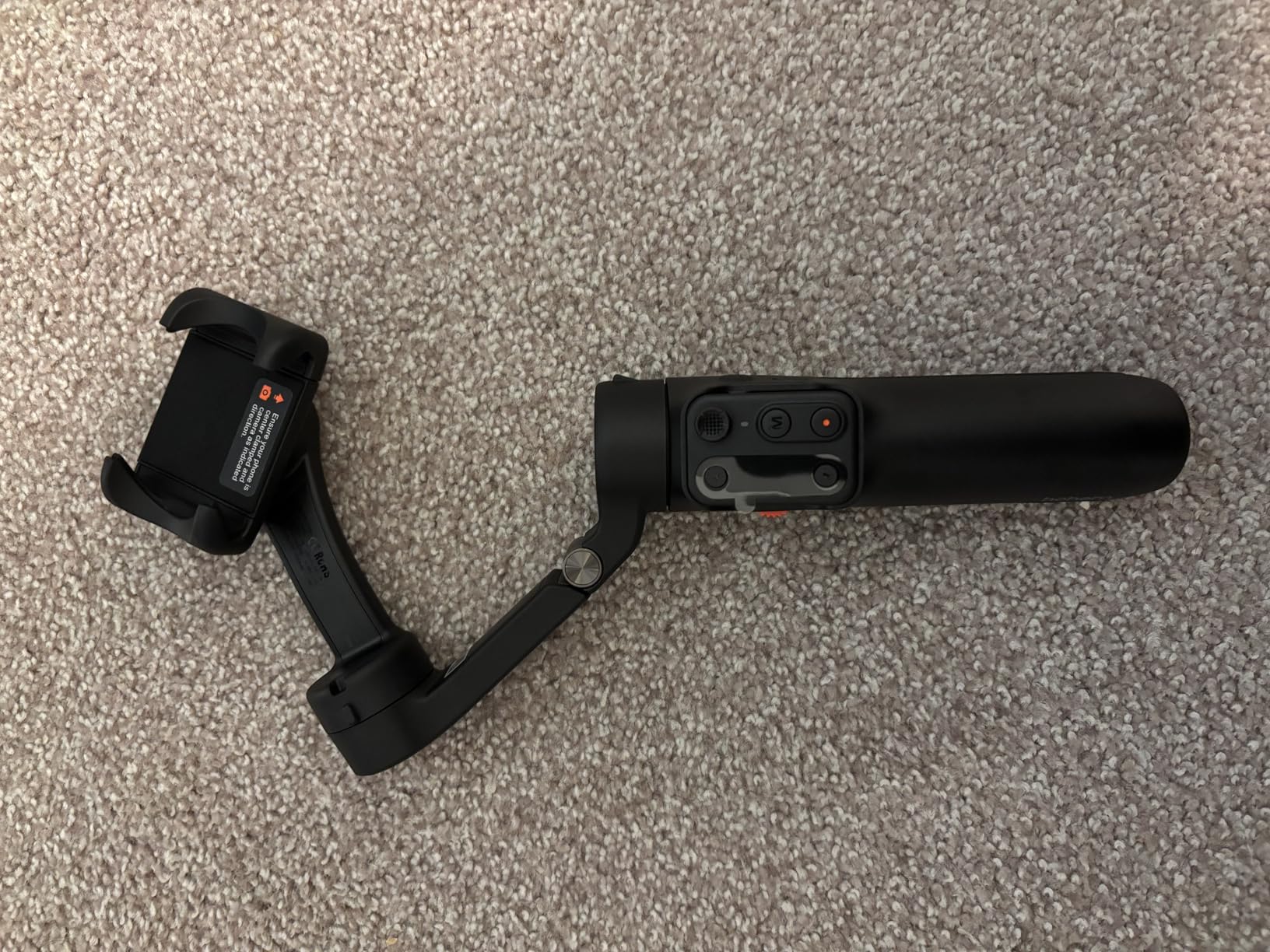
The portable foldable design reflects how gimbals have shifted from professional equipment to travel accessories. Early smartphone gimbals were bulky, required dedicated carrying cases. Foldable designs collapse small enough to fit in backpacks or even large jacket pockets, making them viable for travel vlogging rather than just planned production shoots.
The travel vlogging emphasis is revealing. This isn’t for studio content creation or controlled environment filming. It’s for capturing movement while exploring—walking through cities, hiking trails, documenting experiences. The gimbal enables lifestyle content creation where professional-looking footage happens spontaneously rather than through elaborate setup.
But gimbals introduce workflow friction. They require balancing when you first mount the phone. They need charging. The motors can be noisy in quiet environments. And they’re conspicuous—filming with a gimbal marks you clearly as “someone making content” rather than just someone with their phone out.
What’s notable is how this represents professionalization of casual content. Ten years ago, travel videos were shaky phone footage. Now creators expect cinema-quality stabilization even for Instagram stories or TikTok videos. The production standards have risen dramatically.
Previously listed at $64.99, current listings hover around $51.98. The pricing makes gimbal ownership accessible to serious hobbyists and emerging creators, not just professionals, reflecting how video production tools have democratized.
"Note: Readers like you help support The Apple Tech. We may receive a affiliate commission when you purchase products mentioned on our website."