
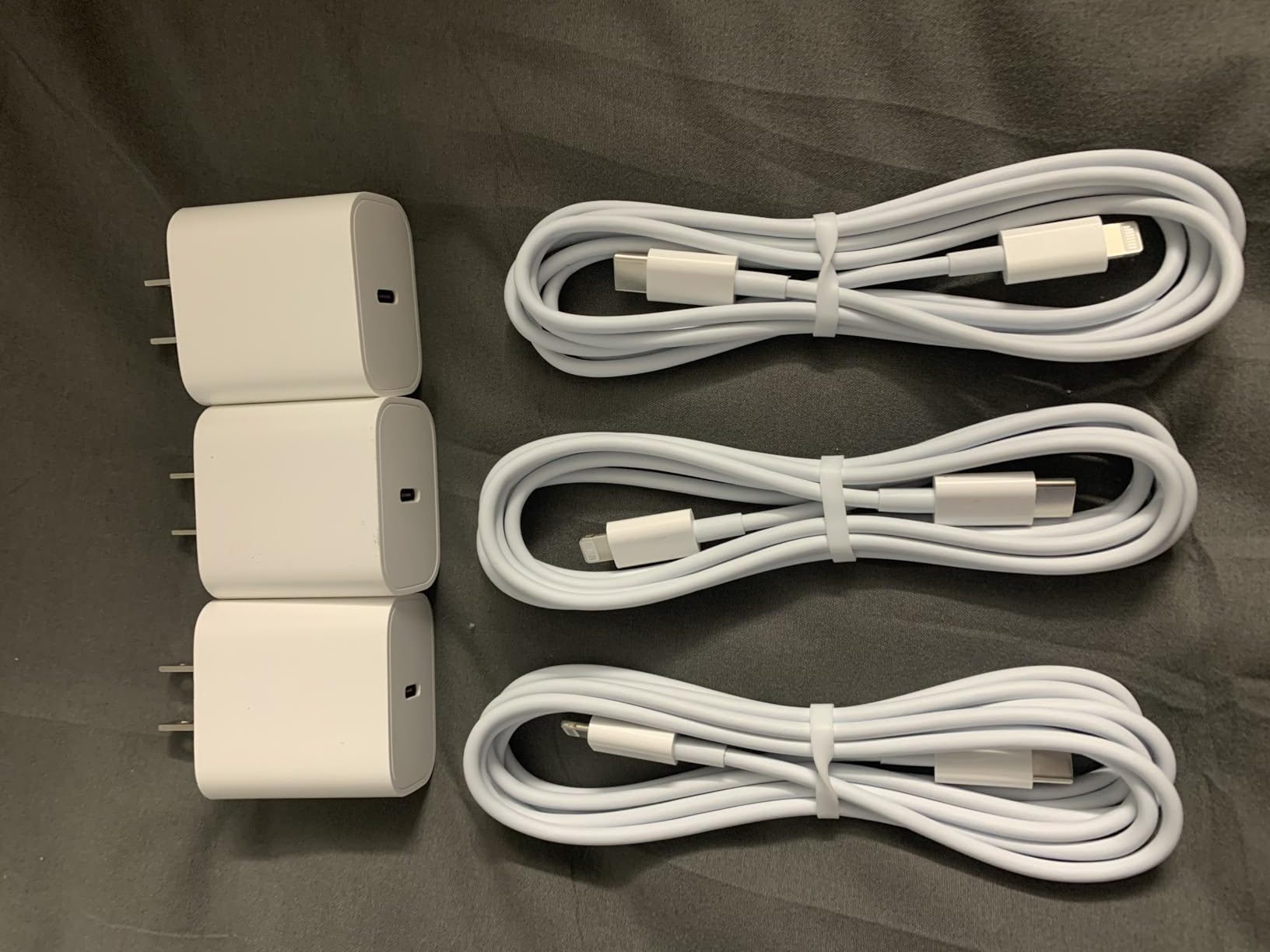
Charging cable length used to be standardized. Apple included a three-foot cable with the iPhone, and most third-party options followed the same spec. But three feet assumes the outlet is close to where the phone will rest during charging, and in many homes and workspaces, that assumption doesn’t hold. The outlet is across the room. The nightstand is too far from the wall. The desk has no nearby power source. Six-foot cables emerged as a workaround, and they’ve quietly become the default for many iPhone users.
The extra length changes how people interact with their phones during charging. A three-foot cable tethers the phone to a fixed radius around the outlet. A six-foot cable expands that radius significantly, making it possible to use the phone comfortably while it’s plugged in. This matters most in bedrooms, where people often charge overnight but still want to check notifications, set alarms, or scroll before sleep. The longer cable eliminates the awkward lean toward the nightstand or the decision to unplug temporarily.
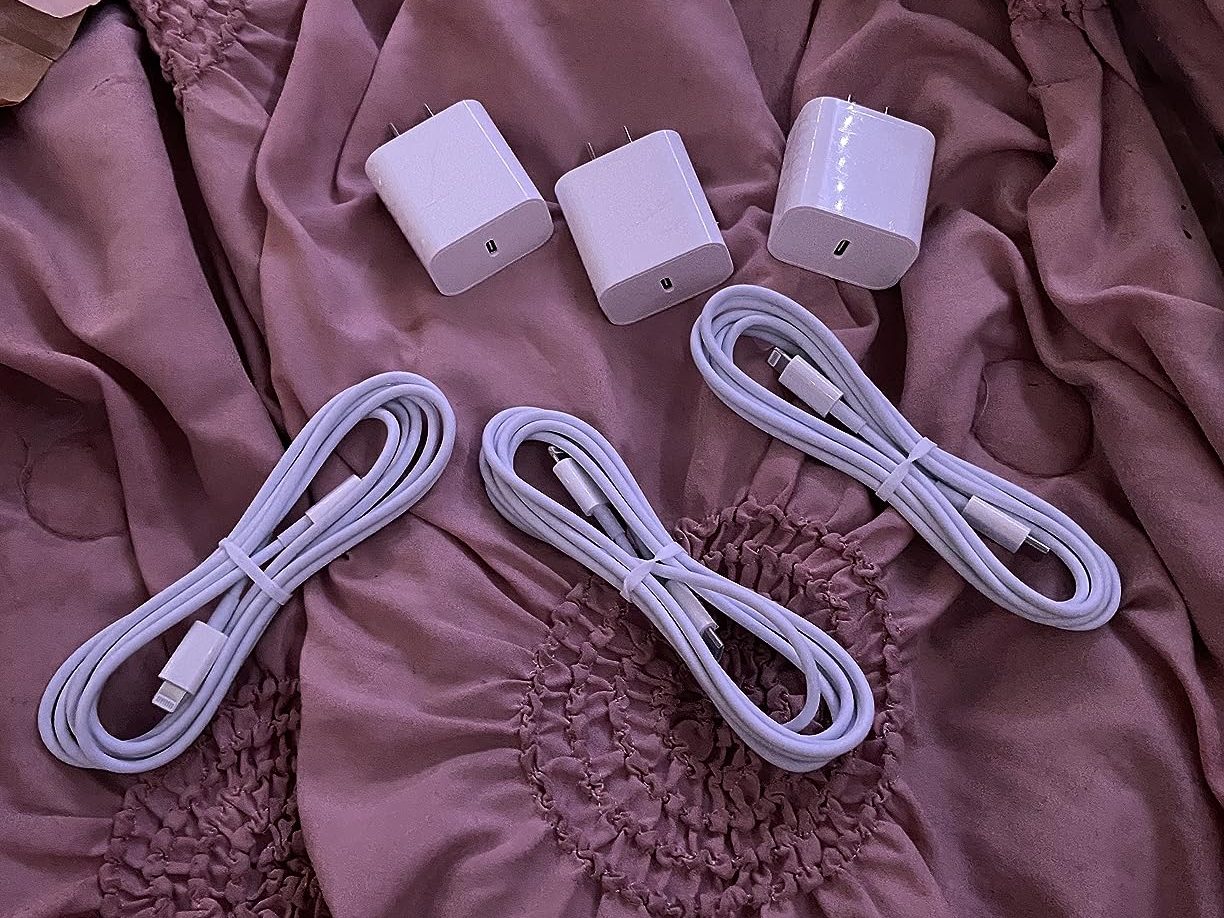
But length introduces its own problems. A six-foot cable is harder to manage than a three-foot one. It coils less neatly. It’s more likely to tangle with other cables. When not in use, it drapes across surfaces, creating visual clutter. Some people bundle the excess length with velcro ties or cable organizers, but this adds a step to what’s supposed to be a simple task: plug in the phone and walk away.
Durability is another variable. Longer cables experience more movement and stress, especially at the connection points. The Lightning or USB-C connector gets plugged and unplugged daily, and the cable near the connector flexes with each insertion. Over time, this flex creates weak points. The cable frays, the connection becomes intermittent, and eventually the cable fails. The three-pack format addresses this by providing spares, turning cable failure from a disruption into a minor inconvenience.
The 20-watt charging speed is fast enough for most daily use but slower than the MacBook chargers some iPhone users have lying around. Charging from zero to 50 percent takes roughly 30 minutes with a 20-watt adapter, compared to 20-25 minutes with a higher-wattage option. For overnight charging, the difference is irrelevant. For emergency top-ups before leaving the house, those extra minutes are occasionally noticeable.
The MFi certification is a signal of compatibility rather than quality. It means the cable has been approved by Apple to work with iPhones and iPads, reducing the risk of compatibility errors or charging failures. But certification doesn’t guarantee longevity. Some MFi-certified cables last years. Others fray within months. The variance is wide enough that users often can’t predict which outcome they’ll get until the cable has been in use for a while.
Previously listed at $13.99, current listings hover around $9.49 for a three-pack, placing these cables in the budget tier of iPhone accessories. The low price reflects commoditization—MFi-certified cables are produced by dozens of manufacturers, with competition driving costs down and multi-packs becoming the norm.
The broader shift is that cable length has become a design decision rather than a given. Users now choose based on the specific geometry of their charging spaces, and that choice ripples through daily routines. The six-foot cable offers freedom of movement but requires more management. The three-foot cable is tidier but more restrictive. Neither is objectively better, and most iPhone users end up with a mix of both, using each where it fits best.
"Note: Readers like you help support The Apple Tech. We may receive a affiliate commission when you purchase products mentioned on our website."