
For most of the iPhone’s existence, headphone sound was something that just happened. You plugged them in, or paired them over Bluetooth, and they sounded however they sounded. Apple’s EarPods had a specific frequency response. So did AirPods. You either liked it or you didn’t, but you couldn’t change it. The audio was fixed, a design choice made by someone else, and unless you were willing to dive into third-party apps or external DACs, you accepted it.
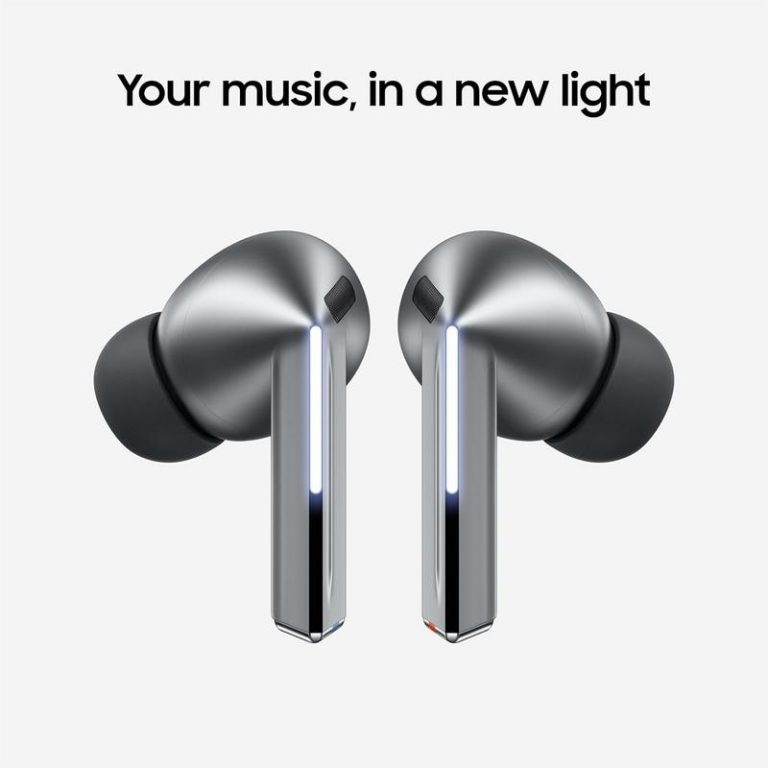
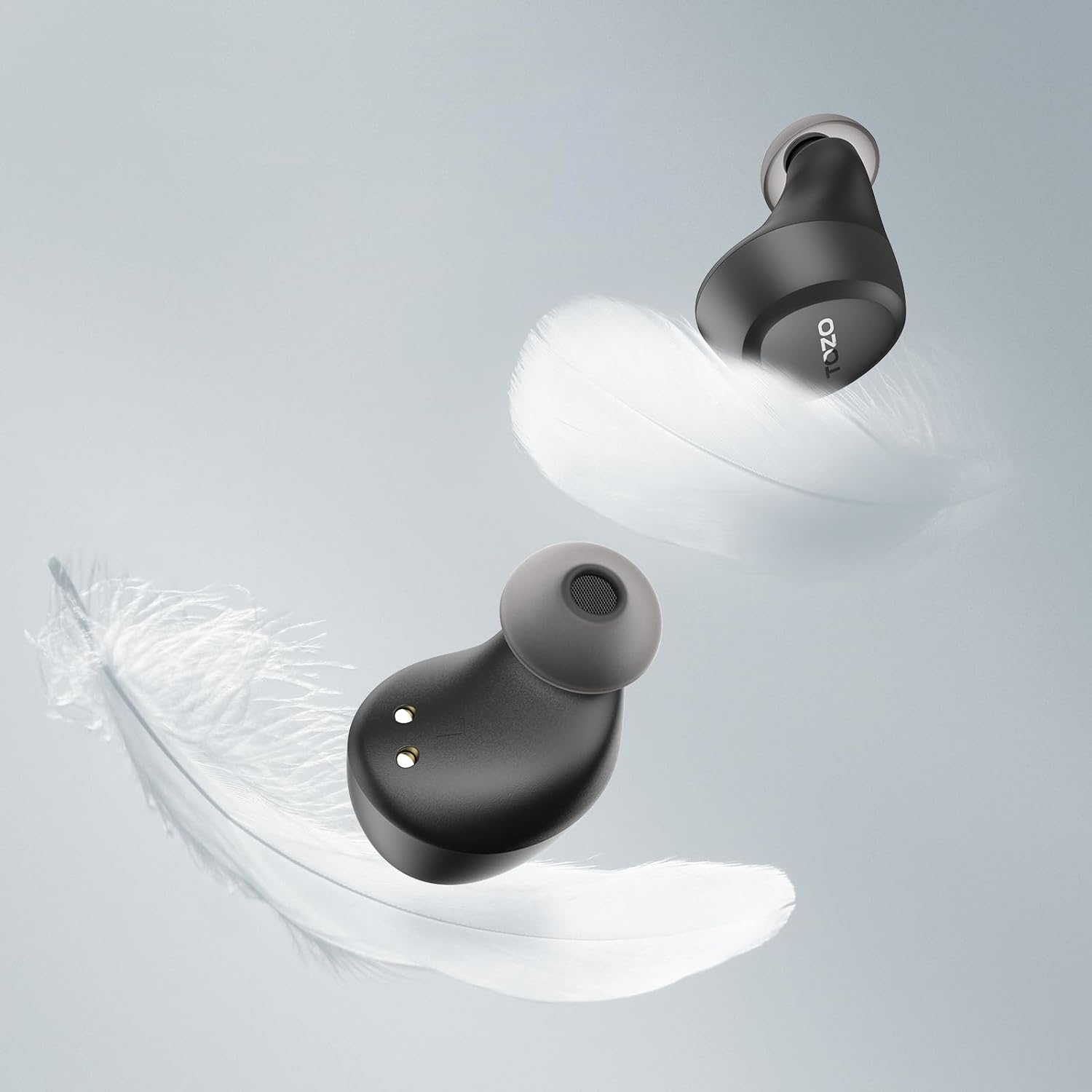
That’s changing. A wave of wireless earbuds now come with companion apps that offer granular control over sound through equalizer settings—sometimes dozens of presets, sometimes fully customizable frequency curves. The earbuds themselves might cost a fraction of what AirPods do—some currently available at discounts around 41 percent on platforms like Amazon—but the level of control they offer is higher. You can boost bass, flatten mids, sharpen treble, apply presets labeled “Rock” or “Classical” or “Podcast,” or build your own profile from scratch. The sound becomes something you shape, not something handed to you.
For some users, this is empowering. They’ve always felt AirPods sounded too flat, or too bass-heavy, or just wrong for their preferences, and now they can fix it. But for others, the abundance of choice creates a new kind of friction. The problem isn’t finding a setting that sounds good—it’s convincing yourself you’ve found the best one when there are 31 others you haven’t tried yet.
This leads to a behavior that didn’t exist when headphones just sounded one way: constant tweaking. People switch between EQ presets mid-song, wondering if “Bass Booster” sounds better than “Extra Bass,” or if the custom curve they spent ten minutes building is actually an improvement over the default. They listen to the same track on loop, toggling settings, trying to hear the difference, second-guessing whether the change was real or imagined. The music becomes secondary to the tuning, a test signal for evaluating adjustments rather than something to just experience.
There’s a strange dissatisfaction that comes with infinite tunability—the music sounds fine, but you keep wondering if it could sound better with just one more adjustment. AirPods don’t create this problem because they don’t offer the option. The sound is what it is, and you either adapt to it or you don’t. But earbuds with 32 EQ presets introduce the possibility that you’re listening wrong, that somewhere in those settings is the perfect configuration you just haven’t found yet.
What’s notable is how this mirrors broader shifts in consumer technology. Devices used to come with fixed settings and limited customization. You got what the manufacturer decided was best, and the simplicity was part of the appeal. But increasingly, products offer endless adjustability—phones with dozens of display settings, apps with labyrinthine preferences menus, smart home devices that can be automated in infinite combinations. The assumption is that more control equals better experience, that users want the ability to fine-tune everything to their exact preferences.
But more control also means more decisions, more opportunities to wonder if you’ve made the right choice, more time spent optimizing instead of using. For people who just want to listen to music, the EQ app becomes another thing to think about, another layer between intention and action. Some ignore it entirely, leave everything on default, never open the app after the initial pairing. Others fall into the tuning spiral, convinced that the optimal sound profile exists somewhere in the settings if they just keep looking.
The difference in sound quality between presets is often subtle—audible if you’re paying close attention, easy to miss if you’re not. But the act of adjusting creates the illusion of improvement, the sense that you’re refining something, getting closer to ideal. Whether the adjustments actually matter becomes less important than the feeling of agency they provide, the belief that you’re in control of the experience rather than passively receiving it.
Not everyone wants this level of involvement. For users who prefer the simplicity of AirPods, the idea of managing EQ settings feels like unnecessary complexity, a solution to a problem they don’t have. But for those who’ve felt constrained by Apple’s one-size-fits-all approach to audio, the abundance of options feels like freedom—even if that freedom sometimes leads to spending more time in settings menus than actually enjoying music. The earbuds sound good. They could sound different. And for some people, that possibility is impossible to ignore.
"Note: Readers like you help support The Apple Tech. We may receive a affiliate commission when you purchase products mentioned on our website."