
The quiet hum of electricity is a constant, almost unnoticed soundtrack to life within the Apple ecosystem. From the first iPhone wake-up call to the final MacBook screen dimming, power delivery shapes routines, influencing everything from where we sit to how long we stay. It’s a foundational rhythm that users rarely articulate, yet profoundly experience.
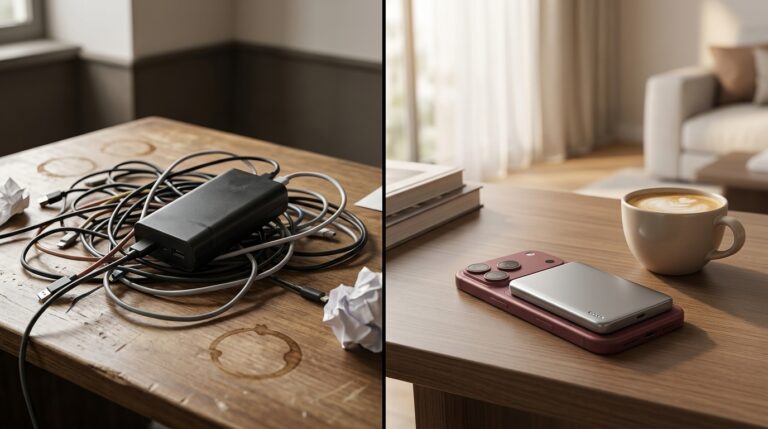
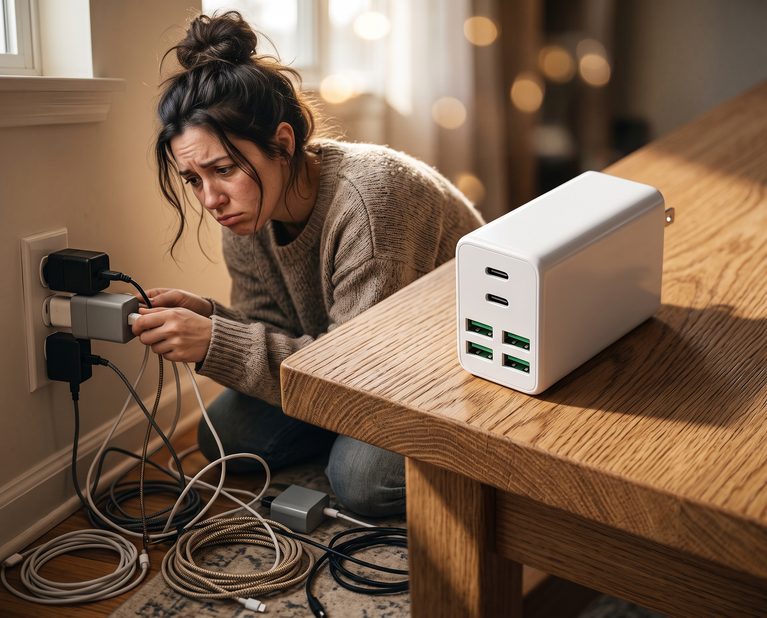
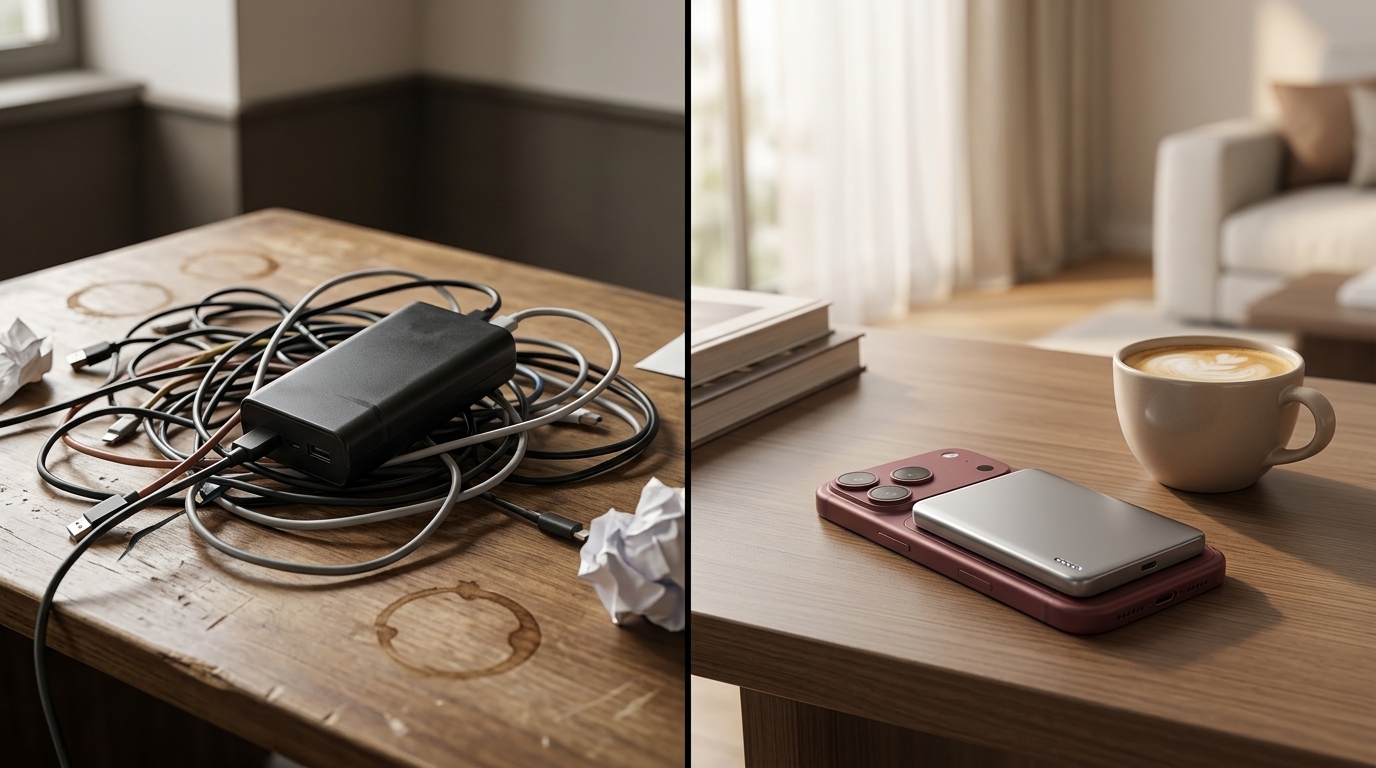
For years, the daily ritual of charging Apple devices involved a small, predictable friction. A MacBook Pro required its dedicated, often substantial, power brick. The iPhone, then an iPad, each sought their own separate outlet, contributing to a low-grade tangle of cables and adapters sprawling across desks, nightstands, and kitchen counters. This landscape of individual power sources became a normalized backdrop, a quiet inefficiency users simply accommodated within their daily lives. The search for a free wall socket, or the familiar reach for a power strip, was a recurring, if minor, logistical exercise.
Over time, a subtle shift began to emerge. As charging technology evolved, enabling higher wattages through a single USB-C port, a new pattern of adaptation started to take hold. Users began to observe the practical appeal of consolidating their power needs. The promise of a single, more capable adapter — one that could intelligently distribute power to a demanding laptop, a swiftly depleting iPhone, and perhaps even a pair of AirPods, all at once — gently nudged established habits toward a more unified approach. It wasn’t an abrupt revolution, but a gradual, almost imperceptible migration away from the multi-adapter reality.
The act of plugging in a MacBook and an iPhone simultaneously, once a scramble for outlets, has slowly transformed into a single, almost unconscious gesture. Consider the small, mundane moments that illustrate this adaptation. The precise choreography of unplugging a Mac charger to free up a port for an iPhone on a crowded bedside table, or the mental calculation of which device needed power most urgently. This quiet friction is slowly receding. Now, the deliberate click of a single, high-output USB-C adapter into a wall socket often signals the powering of an entire personal Apple ensemble. The relief isn’t spoken aloud, but it’s evident in the lack of a second thought, the absence of a cable hunt in the dark, the slightly less cluttered bedside drawer.
This behavioral evolution extends beyond the home office or nightstand. For those who frequently transition between workspaces or travel with their devices, the impact is particularly noticeable. The weight of multiple power bricks and their associated cables once occupied a significant mental and physical footprint in a backpack. Now, the careful placement of a single, more compact adapter reflects an unarticulated desire for simplicity and portability. The decision of which charger to pack has become less a choice of compromise and more an assumption of consolidated efficiency.
The relationship with battery anxiety, too, quietly transforms. Knowing that a single, powerful source can quickly rejuvenate a MacBook Pro while simultaneously topping off an iPhone brings a subtle calm. The frantic search for a specific charger or an available outlet during critical work moments or before a long journey lessens. This underlying reassurance fosters a deeper, more integrated dependence on the ecosystem itself, where the flow of power feels less like an external problem to solve and more like an inherent, reliable function of the devices themselves.
This consolidation of charging infrastructure has quietly normalized itself within the routines of many Apple users. What once seemed a minor convenience has, through repeated daily interaction, become an expected standard. The memory of juggling multiple, distinct power sources fades, replaced by an unconscious expectation of a streamlined, efficient power hub. It’s an invisible dependency, a testament to how small technological advancements, when integrated into daily rhythms, can subtly reshape our interactions with the digital tools that define so much of contemporary life.
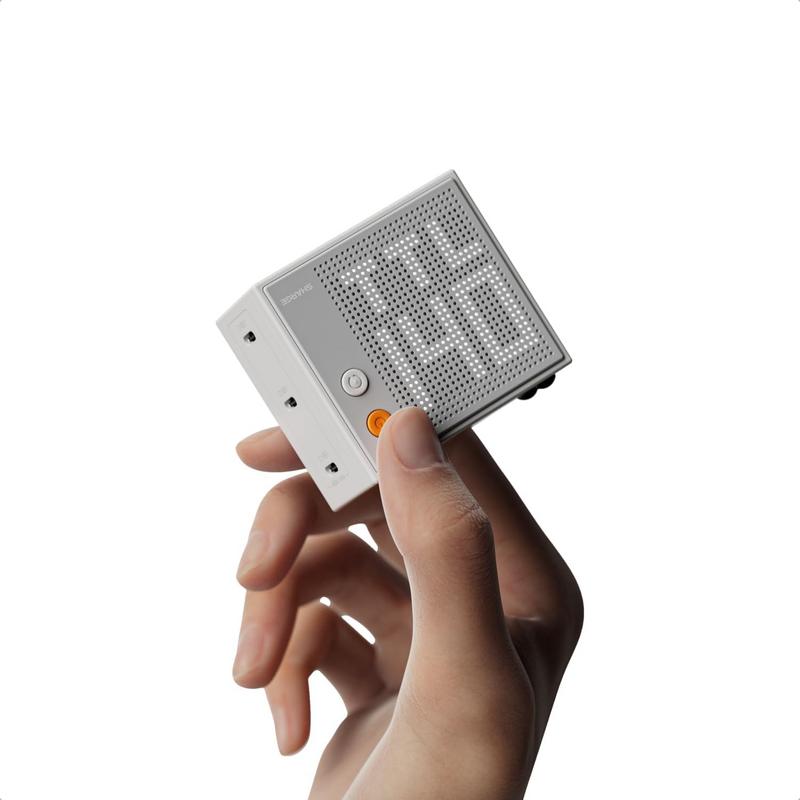
Listings for such adaptable charging solutions, capable of delivering substantial power across multiple ports, currently reflect reductions of roughly 26 percent compared with earlier availability.
This product is currently available on Amazon and has been drawing attention among Apple users interested in cleaner and more adaptable everyday setups.
Check availability and latest pricing here
Frequently Asked Questions
Question
How do high-wattage USB-C chargers interact with various Apple devices?
High-wattage USB-C chargers employ the USB Power Delivery (PD) standard to intelligently communicate with connected Apple devices, from iPhones to MacBooks. The charger detects the power requirements of each device and delivers the optimal wattage, ensuring efficient and safe charging without over-delivering power.
Question
Can a single multi-port charger safely power both a MacBook and an iPhone simultaneously?
Yes, many modern multi-port USB-C chargers are designed with intelligent power distribution. They can allocate high power to devices like a MacBook Pro (e.g., 140W) while also providing appropriate, lower wattage to an iPhone or iPad concurrently, ensuring each device receives its necessary charge safely.
Question
What role does USB Power Delivery 3.1 play in modern Apple device charging?
USB Power Delivery 3.1 (PD 3.1) is a newer specification that allows for even higher power delivery, up to 240W, compared to the previous PD 3.0 standard. For Apple users, this means that high-performance MacBooks, particularly newer Pro models, can achieve their fastest possible charging speeds, enhancing efficiency and reducing charging times.
Question
How does consolidating charging impact portable setups for Apple users?
Consolidating charging with a single, multi-port, high-wattage adapter significantly streamlines portable setups. It reduces the number of individual power bricks and cables users need to carry, leading to lighter bags, less clutter, and a simpler routine when working away from a dedicated desk or during travel.
Verdict
The subtle evolution of power delivery technology has quietly reshaped the daily habits of Apple users. What began as a mild inconvenience of managing multiple chargers has gradually transitioned into an expectation of streamlined efficiency. This adaptation reflects a deep-seated desire for simplicity in an increasingly connected world, demonstrating how a single, powerful adapter can become an almost invisible yet crucial component in the seamless flow of everyday digital life, underscoring a quiet dependency.
"Note: Readers like you help support The Apple Tech. We may receive a affiliate commission when you purchase products mentioned on our website."