The subtle integration of an Apple Watch often reconfigures how we engage with our immediate notifications, shifting an ingrained iPhone dependency to a quieter wrist-based rhythm throughout the day.
The quiet certainty of a wrist-tap often replaces the once-automatic reach for a nearby iPhone.
The quiet hum of daily life is subtly reshaped by the devices that anchor it. For many, the Apple ecosystem has long dictated certain invisible rhythms: the near-constant proximity of an iPhone, the familiar weight of AirPods, the expansive canvas of an iPad. Yet, within this established cadence, the Apple Watch has steadily introduced a gentle, often unnoticed, reorientation of our digital presence. It’s not a revolution, but a series of quiet, behavioral adaptations that accumulate, eventually redefining how we perceive immediate connectivity.
Consider the morning routine. Where once the first conscious act might have been reaching for a phone on the nightstand—a quick scroll, a check of overnight alerts—the Apple Watch now often intervenes. A subtle vibration on the wrist, a quick glance at a complication, delivers essential information without demanding the full attention an illuminated phone screen commands. This small shift, from active phone engagement to passive wrist-based awareness, cultivates a different kind of morning presence, delaying the full immersion into the digital stream, even if only for a few crucial moments.
This reorientation extends to the practicalities of battery management, introducing another recurring ritual into the ecosystem. The daily placement of an Apple Watch onto its magnetic charger often settles into a routine, perhaps alongside an iPhone, or even during brief periods of inactivity like a shower. This new charging habit becomes a quiet consideration, not a burden, but a testament to its integral role. The subtle anxiety of another device to power is often outweighed by the observed freedom it grants, even when far from its charging puck.
The cellular capabilities of recent Apple Watch iterations further amplify these behavioral shifts. The observed phenomenon of purposefully leaving an iPhone behind—perhaps on a desk charger, or stowed away in a bag—while venturing out for a short errand, a run, or even just moving between rooms, illustrates a notable change in portability habits. The watch becomes a sufficient digital tether, managing calls, messages, and health tracking, subtly altering the perceived necessity of constant iPhone companionship. This quiet independence, once a novel concept, has become a normalized, almost unconscious, workflow adjustment for many.
Within the focused environment of a workspace, the Apple Watch also exerts its influence. The presence of timely, wrist-delivered notifications often reduces the urge to constantly pick up the iPhone. This results in fewer interruptions from deep work, with peripheral glances at the wrist replacing full-screen engagement. The device becomes a silent, always-present assistant that filters the digital world, allowing for a more sustained period of concentration, even as it maintains a vital connection to incoming information.
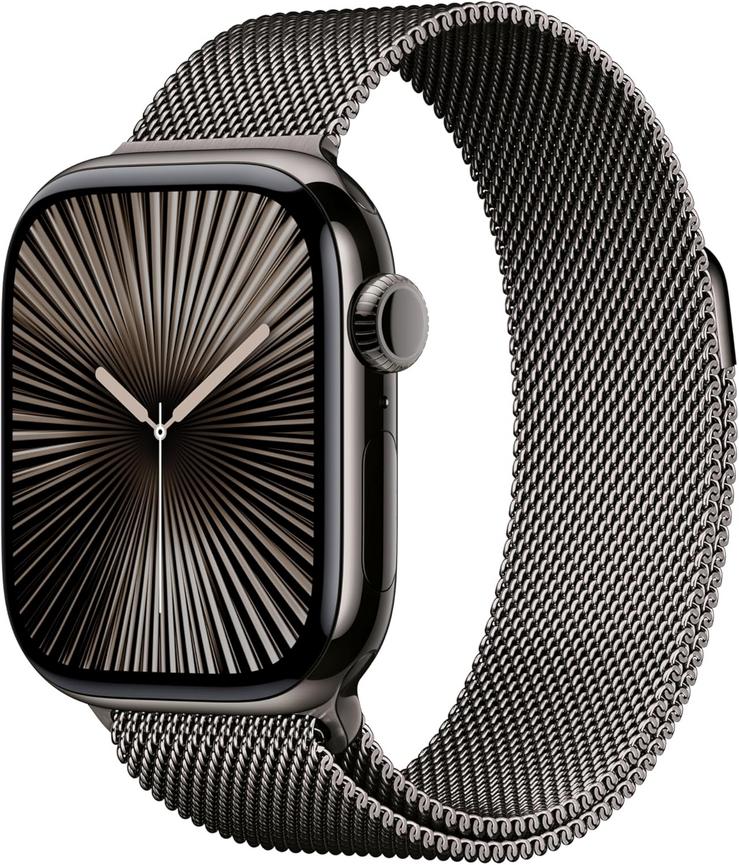
The design of the Apple Watch, with its emphasis on continuous display, reinforces this always-on readiness. The persistent visibility of time and selected complications, without a deliberate gesture, mirrors a subtle human desire for immediate, effortless access to essential data. This feature, alongside the device’s broader integration within the Apple health and fitness frameworks, blends seamlessly into the background of daily life, transforming from a distinct gadget into an almost unremarked extension of self, a quiet assurance on the wrist.
This subtle normalization points to a deeper human adaptation. The Apple Watch doesn’t just offer features; it gently nudges users into new habits. It is a quiet dependence on the Apple ecosystem, manifested not through overt product promotion, but through the observed behaviors of individuals who find their routines, their charging habits, and their very relationship with digital connection subtly, yet profoundly, altered by its presence. Its carbon neutral status, for instance, reflects a broader cultural shift towards sustainability, integrated into the device’s very existence rather than an add-on feature.
Recent listings for this particular configuration of the Apple Watch Series 10 indicate reductions of around forty percent compared with earlier periods of availability.
This product has recently appeared more often in conversations around portable Apple setups and everyday charging routines.
Check current availability here
How does the Apple Watch Series 10 integrate with existing iPhone usage patterns?
The Apple Watch often complements iPhone use by handling immediate notifications and brief interactions directly from the wrist, subtly reducing the frequency of unlocking the iPhone for minor alerts.
What are common charging routines for the Apple Watch, especially alongside other devices?
Many users incorporate Apple Watch charging into an overnight routine, similar to an iPhone. Others find brief charging periods during a shower or while preparing for the day sufficient to maintain battery levels.
Does the cellular model of the Apple Watch noticeably alter everyday portability?
The cellular variant allows for greater independence from the iPhone for tasks like calls, messages, and streaming audio, facilitating brief excursions without needing to carry the phone directly.
How does the Always-On Retina Display affect battery expectations?
The Always-On Retina Display maintains visibility of time and complications without a wrist raise. While designed for efficiency, this feature is a factor in the daily battery consumption profile of the device.
Verdict
The ongoing integration of devices like the Apple Watch into daily life illustrates a quiet, persistent shift in how individuals navigate their digital landscape. It’s a reorientation away from constant smartphone engagement, fostering new rhythms of attention and notification. This evolution isn’t about mere convenience, but rather a subtle recalibration of habits, reflecting a deeper, often unnoticed, adaptation to an always-connected environment that prioritizes presence without demanding constant screen interaction.
"Note: Readers like you help support The Apple Tech. We may receive a affiliate commission when you purchase products mentioned on our website."