The gentle hum of domestic routines often defines our days, a silent rhythm underscored by the devices that have become extensions of our digital selves. For many deeply invested in the Apple ecosystem, this rhythm includes a quiet expectation of intuitive integration, of technology that fades into the background, supporting rather than disrupting. It is within this subtle landscape that even a humble light bulb can introduce a nuanced shift, altering not just illumination but also the almost invisible habits surrounding home security.
Consider the everyday gestures that govern a secure home: checking locks, setting alarms, glancing at a phone notification. For years, dedicated security cameras have offered peace of mind, yet they often demanded their own space, their own power source, sometimes their own unique app outside the familiar Apple Home ecosystem. This often meant another cable to manage, another charging routine to remember, or a separate glance at a different screen, introducing a low-level friction into an otherwise streamlined digital life.
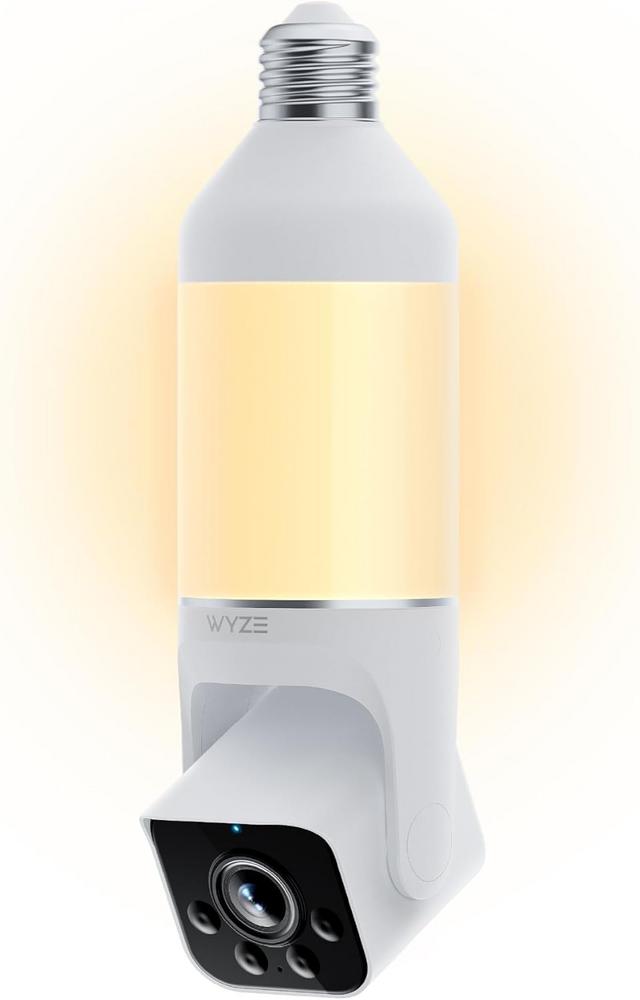
The integration of a security camera directly into a household light fixture represents more than just a convenient form factor; it signifies a behavioral adaptation. The act of replacing a standard bulb with a device that also monitors a space subtly reconfigures how one perceives and interacts with home security. There is no new device to position on a shelf, no additional power outlet to find, merely an extension of an existing electrical point. This quiet integration lessens the cognitive load, blurring the line between a utility and a security measure.
For an iPhone owner accustomed to managing much of their digital life from a single pane of glass, this kind of discreet hardware integration holds particular resonance. The subtle normalization of having a camera where a bulb once stood removes a layer of deliberate action. Instead of remembering to charge a portable camera or find an optimal, unobtrusive spot for a new piece of tech, the security becomes part of the existing fixture. This behavioral shift reduces the mental overhead, allowing the focus to remain on the *purpose*—observing the home—rather than the *maintenance* of the observation tool.
This integration also speaks to the broader trend of devices that intelligently adapt to their environment. A camera that functions as a dimmable LED bulb, complete with color night vision and motion detection, subtly reshapes the parameters of what a light fixture can be. It changes a static household object into a dynamic participant in home safety, capable of sending alerts or activating a siren, all while maintaining its primary function of illumination. For those who value the refined simplicity often associated with Apple’s design philosophy, this kind of dual-purpose utility offers a quiet elegance.
The long-term impact of such devices lies in how they gradually reshape our expectations of technology at home. What was once a separate, visible security component slowly dissolves into the fabric of the dwelling itself. The recurring routine of checking a dedicated security app might slowly give way to a more ambient awareness, where notifications simply arrive as part of the broader stream of information an iPhone manages. It’s a move towards an even more invisible layer of protection, quietly woven into the existing electrical grid.
Recent listings reflect reductions compared with earlier availability, suggesting a broader market adjustment for integrated home security solutions. This can subtly influence considerations for those looking to expand their home monitoring without adding noticeable new hardware.
This product has recently appeared more often in conversations around portable Apple setups and everyday charging routines.
Check current availability here
How does this camera integrate with existing Apple Home workflows?
While the camera operates primarily within its own application and connects with Alexa or Google Assistant ecosystems, an iPhone or iPad remains the central hub for managing its dedicated app and receiving notifications. This allows for control and monitoring alongside other Apple-centric tasks.
Will replacing a light bulb with this device affect my energy consumption habits compared to a standard LED?
The device functions as a dimmable LED bulb while also housing camera components. Its energy consumption would be comparable to an efficient LED bulb, with a slight increase due to the active camera electronics. Users often notice minimal change in their overall charging or power consumption routines.
Can motion detection alerts be managed through an Apple Watch?
If the camera’s companion app supports Apple Watch notifications, then motion alerts can appear directly on the wrist. This allows for discreet monitoring and quick checks of activity without needing to retrieve an iPhone from a pocket or bag, subtly integrating security updates into daily routines.
How might this type of integrated camera influence a user’s reliance on traditional wired security systems?
For some, the simplicity of a screw-in camera that uses existing power infrastructure might reduce the perceived need for complex, wired security installations. It offers a more immediate and less intrusive method of monitoring, potentially shifting a user’s approach to home vigilance towards more modular, easily adaptable solutions.
Verdict
The quiet integration of functional devices into existing home infrastructure marks a subtle, yet significant, shift in how many Apple users approach domestic technology. What was once a distinct piece of hardware demanding its own space and power often dissolves into the familiar, becoming an almost invisible layer of reassurance. This adaptation speaks to a broader cultural expectation: that technology should not just exist in our homes, but gracefully blend into our routines, supporting our daily lives without constant demands for attention or overt management. It’s an evolution in how we perceive the boundaries between utility and security.
"Note: Readers like you help support The Apple Tech. We may receive a affiliate commission when you purchase products mentioned on our website."