
At dusk, a low battery warning flickers at the corner of an iPhone screen, nudging a familiar ritual. The cords draped across a desk and the stretch to a wall outlet become small moments of friction. It’s here, in the margin of daily life, that Apple-device users recognize the recurring strain of planning power. The nightly dance of tethering an iPhone and resting it beside a charger often feels as routine as setting an alarm – until something slimmer and magnetic arrives to disrupt a pattern we barely noticed.
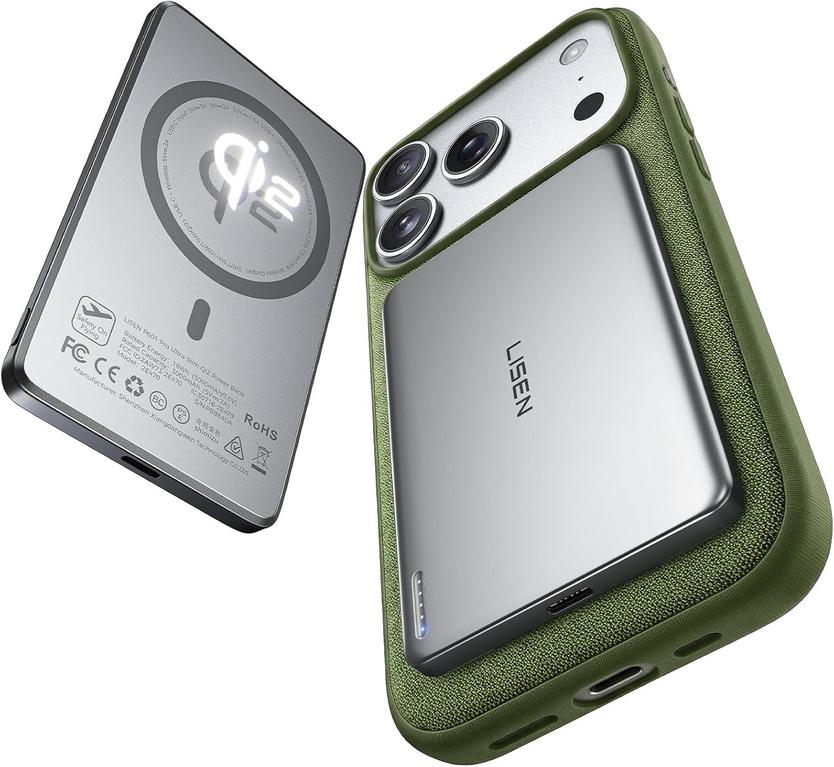
Unboxing an ultra-slim MagSafe battery pack doesn’t inspire dramatic change; instead, it quietly nudges existing habits. Its lightweight frame slips into a palm without ceremony, offering another point of contact for juice. The magnet snaps on as predictably as an often-used wallet latch, yet its presence on the back of an iPhone subtly shifts how we think about battery top-ups. That gentle click introduces a minute of pause, a moment to choose when and where a device recharges rather than defaulting to the nearest cable.
In the dim glow before sleep, hands fumble for a cable. Now they find a flat circle of metal that aligns itself without the need to squint at orientation or force a port. Fingers trace the edges of the battery pack as it adheres, and the screen’s percentage climbs almost imperceptibly. That single motion, made in semi-darkness against pillows and sheets, speaks to how small form factors can transform the subconscious choreography of charging.
And then there’s the bag shuffle—where the thud of rigid walls meets the flexibility of fabric. A slim battery pack glides into a side pocket, sharing space with earbuds and scribbled notebooks. Compared with bulkier power banks, it encourages a lighter load, leading to sporadic reorganizing: pushing an AirPods case into a front slot, tucking cables into hidden compartments, or verifying that magnets won’t collide. These micro-decisions become part of a commuting ritual that feels both casual and deliberate.
At a cluttered desk holding a MacBook, AirPods charging case, and wireless keyboard, cables are more than conduits—they’re visual reminders of incomplete cycles. The magnetic pack’s arrival doesn’t banish the tangle but offers an alternative path. Choosing a wireless contact point over untangling cords introduces a low-key shift in workflow: a glance at a battery icon replaces a reach for a lightning connector. Tiny, yet tangible, this swap reframes cable management across an Apple ecosystem intertwined by habits.
On airplanes, the low hum beneath wing-tip lights invites a glance at screen brightness and remaining battery percentage. Attaching a magnetic charger mid-flight can feel like a discreet ritual—one hand securing the phone against turbulence, the other steadies the pack’s grip. The device’s minimal weight means it can rest on a tray table alongside an iPad or e-reader, blending into travel kits that once prioritized heavy backups. Over time, the act of checking and connecting becomes part of in-flight choreography.
These subtle shifts reveal a deeper dependency woven into Apple’s ecosystem. It isn’t simply about adding capacity; it’s about normalizing backup power as an ongoing companion. When iPhone, MacBook, and AirPods each accept fleeting contact with a magnetic puck, users learn to trust quick fixes over longer plugs. This trust emerges not from advertised benefits but from repeated encounters—every evening routine, morning commute, and cross-country flight reaffirms the small device’s role.
Recent listings reflect reductions of roughly 10 percent compared with earlier availability. Such adjustments in price echo the quiet adaptations in charging practices: incremental, often unnoticed, yet lasting. Watching routines evolve in response to a thinner, magnetized accessory underscores how everyday technology habits unfold in silence, one connection at a time.
Affiliate Block:
This product has recently appeared more often in conversations around portable Apple setups and everyday charging routines.
Check current availability here
FAQs:
How does this MagSafe battery pack attach to an iPhone?
It uses built-in magnets aligned with Apple’s MagSafe standard, allowing it to snap onto compatible iPhone models and deliver Qi2 wireless charging without a cable.
Can it supply power to a MacBook or other non-MagSafe devices?
The pack is designed for wireless MagSafe charging on iPhone models; it does not support MacBook charging or devices requiring a direct cable connection.
Does the pack recharge via USB-C?
Yes. It features a USB-C input for recharging its internal battery, letting users top it up from a MacBook adapter or any USB-C power source.
How does carrying a slim battery pack change daily routines?
A smaller, magnetic pack often replaces bulkier backups, prompting users to reorganize bags, adjust cable stowage, and integrate quick charging moments into commutes and flights.
Verdict
The rise of ultra-thin magnetic battery packs gestures toward a subtle evolution in device rituals. Rather than rewriting end-of-day habits, these accessories blend into the existing choreography—mirroring the silent sync between iPhone screens and the need for juice. By reframing when and how we connect, they expose our quiet reliance on Apple’s ecosystem: a dependency tempered by small, repeated actions rather than big leaps. Watching these patterns settle suggests that real innovation often hides in the margins of routine.
"Note: Readers like you help support The Apple Tech. We may receive a affiliate commission when you purchase products mentioned on our website."