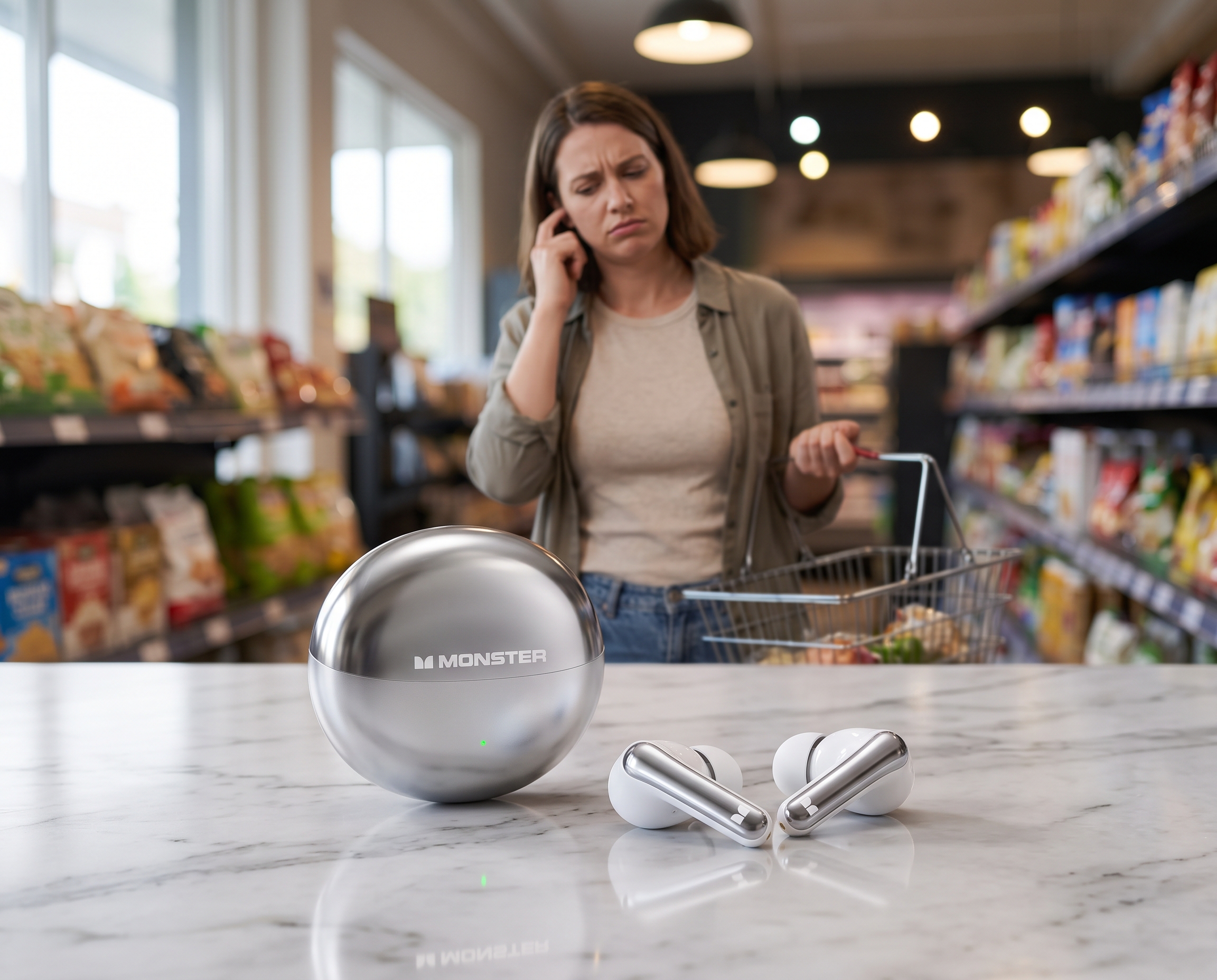

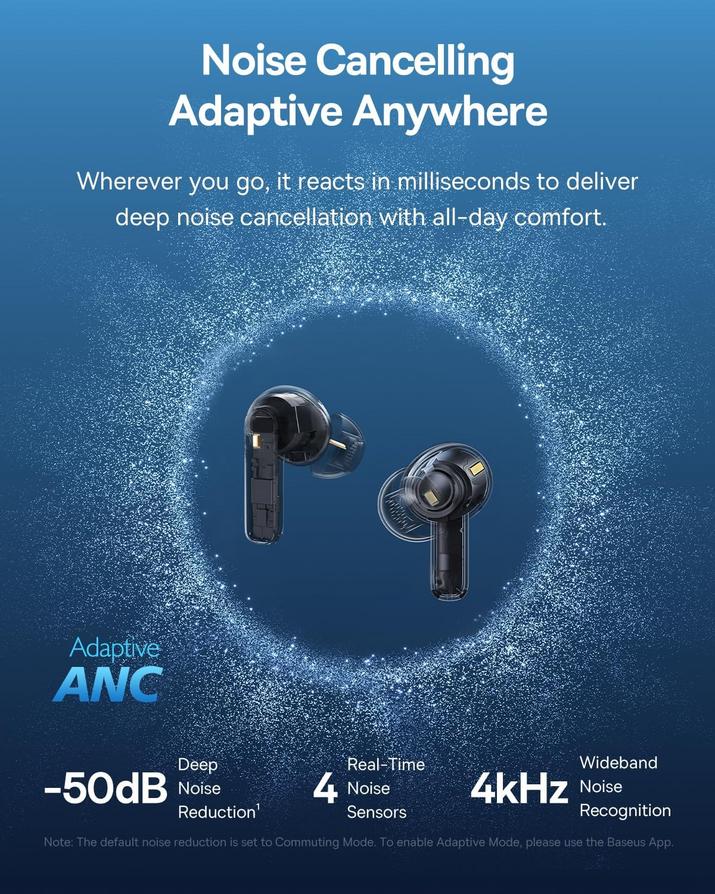
On many Apple-leaning desks, the familiar sight of an AirPods case atop a MagSafe charger has inched into our daily rituals. We depart from the red LED glow of a MacBook, tapping into podcasts or calls, only to remember in mid-sentence that the true quiet of noise cancellation rests in a secondary set nearby. Among these, a pair of Baseus B1P Pro noise-cancelling earbuds occupies a lowly corner of the workspace, rarely noted until the moment of small interruption.
By midday, the pull of back-to-back meetings or a sudden need to tune out office chatter brings this backup pair into view. With AirPods silenced by a drained cell, the quick swap feels less like a deliberate choice than a minor concession to unseen friction. The case flips open, buds slide free, and the day continues—each click a testament to our quiet dependence on these auxiliary devices when primary batteries falter.
Before dawn, fingers stretch across a nightstand in search of a cable. The room is dark enough that even the MagSafe ring glows faintly, an anchor in the gloom. As the iPhone eases into its wireless cradle, a phantom worry tugs—will my main earbuds hold through the morning’s commute? Often, the answer arrives in the form of a soft jingle echoing from the Baseus case beside the charger.
On crowded trains or in airport lounges, a small ritual unfolds: unzip a backpack, slide open a hidden pocket, and withdraw a second set of buds. There is a habitual pause as jackets tilt and phone screens light up, all to confirm battery levels and audio pairing status. The Baseus B1P Pro earbuds, with their slimmer silhouette, tuck beside charging cables and power bricks, becoming nearly invisible until their sudden call to duty.
At a café table, an iPad Pro perched next to a MacBook Air supplies background noise for writing. The earliest tension of keystrokes and ambient chat meets the hush of noise cancellation. It is here that the choice of which earbuds to use is less about fidelity than about the allowance of uninterrupted thought. Whether with AirPods or a backup pair, the layering of devices feels uncanny yet wholly necessary.
These standby buds reveal how our workflows absorb small inconveniences. Battery anxiety spreads in subtle increments: the flicker of a percentage icon, the last bar on the case indicator. By the time one notices the dip, the secondary set has already been charged, stored and forgotten again. It is a quiet choreography of cables, cases and device screens—one that shapes the unnoticed lines of our day.
Recent listings reflect reductions of around 43% compared with earlier availability.
This product is available on Amazon.
Check current availability here
Are these earbuds compatible with iPhone and MacBook?
The Baseus B1P Pro earbuds use standard Bluetooth protocols and pair with iPhone, MacBook, iPad, and other devices that support wireless audio connections.
How does charging work for these earbuds alongside MagSafe or USB-C chargers?
These earbuds charge in their case via USB-C. They do not support MagSafe but can sit beside a wireless Apple charger without interference.
Can battery levels be checked on Apple devices?
Once paired, battery percentages for the earbuds and their case appear in the iPhone’s Today View Batteries widget or on the MacBook menu bar.
What should users consider when carrying multiple earbuds for travel?
User routines often include designating separate pockets for charging cases and cables to avoid tangles and ensure quick swaps during transit.
Verdict
In our routines, backup earbuds serve as silent partners to AirPods and iPhones, emerging whenever battery life breaches our invisible threshold. Their presence speaks to a larger pattern: a willingness to buffer friction not through grand solutions but through small redundancies. In tracing these habits, it becomes clear that our workflows hinge less on device singularity than on the gentle assurance of having a spare ready, fueled by the quiet negotiations we make with our own interruptions.
"Note: Readers like you help support The Apple Tech. We may receive a affiliate commission when you purchase products mentioned on our website."