
On a typical Apple-clad desk, an AirPods case rests on a MagSafe charger, its status light pulsing gently. Nearby, a pair of Sony WH-1000XM6 over-ear headphones lives in its zippered pouch, nearly forgotten until the moment the AirPods case yields a low-battery glow. This quiet presence speaks less of brand allegiance and more of a routine compromise: keeping ambient noise at bay even when primary buds lose their spark.
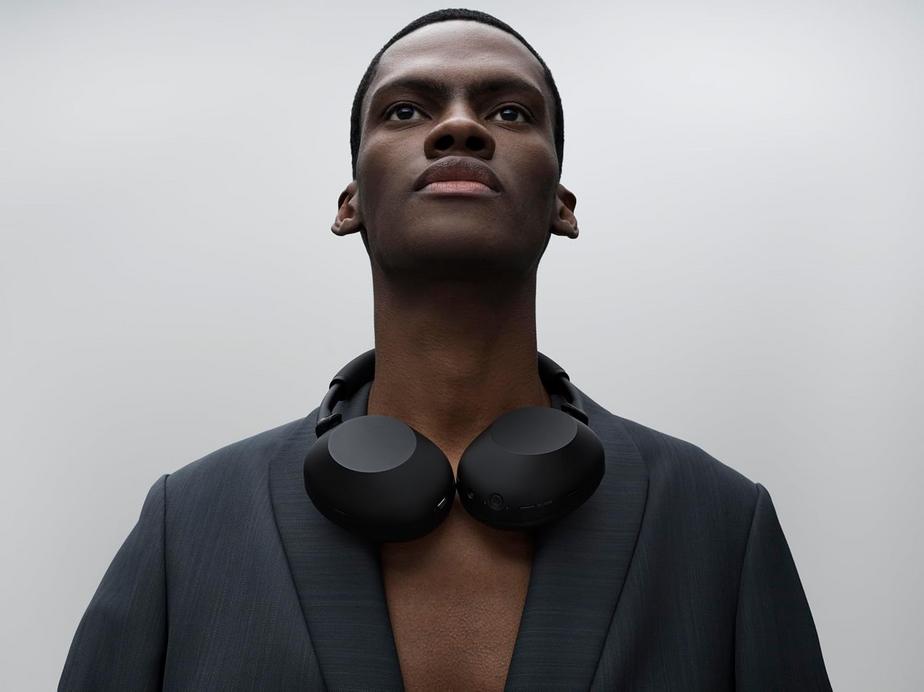
By late morning, a string of calls nudges the workflow into a familiar rhythm. The laptop camera flickers on, a voice leaks from the speaker, and then a pause—AirPods at ten percent. Fingers lift the over-ear pouch, unzip the soft lining, and lift the Sony headphones into place. It is not a grand shift but a barely noted concession to the unseen drag of diminishing charge.
Before dawn light seeps through blackout curtains, there is a small ritual involving a tangle of cables. Feet shuffle across the bedroom floor. A hand reaches into darkness for a USB-C cable to top up an iPhone, brushing past the MagSafe base where the AirPods case still hums quietly. In that hush, thoughts flicker to whether the backup cans are fully charged—an unspoken worry tucked alongside dreams of the day ahead.
On a crowded subway, the act unfolds again. A commuter unzips a backpack pocket, lifts out the Sony case, and checks its subtle LED indicators against the AirPods’ final bar. The movement is practiced, almost invisible. Jackets shift, bags tilt, and the moment of readiness arrives: over-ears sealing against tumbling chatter, a discreet signal that the day will proceed on uninterrupted terms.
At a midafternoon coffee shop, an iPad Pro and MacBook Air sit side by side, their screens glowing with draft documents. Fingers pause on keys while background hum grows too insistent. The AirPods slip in and out of the ears as battery percentages flirt with critical levels. Then, a simple swap: over-ear cushions settle, noise canceling engages, and the hum recedes to a distant murmur, allowing keystrokes to flow with renewed calm.
This subtle choreography of cases, cables and backup headphones underscores a broader pattern of adaptation. Battery anxiety no longer prompts a full stop but a nudge toward a secondary device. Each flicker of a charge icon ripples through familiar spaces—home offices, cafés, transit cars—reminding users that dependency on Apple’s wireless earbuds often requires a quiet contingency.
What emerges is a portrait of unobtrusive resilience. The Sony WH-1000XM6 becomes an understudy rather than a headliner, stepping in when the lead act shows fatigue. In these small shifts—an unzipped pouch here, a flipped switch there—the contours of modern device behavior become visible, tracing how we negotiate minute interruptions without pausing our days.
This product is available on Amazon.
Check current availability here
Can these over-ear headphones pair with iPhone and MacBook?
The Sony WH-1000XM6 uses Bluetooth and is compatible with iPhone, MacBook, iPad, and any device that supports standard wireless audio connections.
How is charging managed alongside MagSafe or USB-C chargers?
These headphones recharge via a USB-C port on the earcup. Their case is separate but sits comfortably beside other charging accessories without interference.
Where can I view battery levels on Apple devices?
Once paired, battery status appears in the iPhone’s Batteries widget and in the Bluetooth menu on MacBook, enabling quick checks during use.
What considerations apply when carrying over-ears for travel?
Many users designate a consistent pocket or compartment for headphone cases and charging cables to keep swaps smooth and avoid tangles while in transit.
Verdict
In daily Apple workflows, secondary over-ear headphones serve as silent copilots, emerging whenever battery percentages dip below a self-imposed threshold. They reveal a quiet choreography of redundancy, where small interruptions prompt swift device swaps rather than full pauses. This modest adaptation underscores our tolerance for routine friction and the lengths we’ll go to preserve uninterrupted focus, marking a subtle evolution in how we manage tech fatigue and battery anxiety.
"Note: Readers like you help support The Apple Tech. We may receive a affiliate commission when you purchase products mentioned on our website."