

Throughout dozens of hours behind a MacBook, the introduction of a foldable smartphone unsettles small patterns that once felt natural. Those who navigate work with an iPhone and AirPods tucked into the same pocket find that a hinged device reframes familiar gestures: the reach, the slide, the simple check of a screen in passing. Amid the subtle reacquaintance with everyday habits, the contours of dependency on Apple tools become more apparent.
Most days begin with the soft click of a MagSafe cable balancing an iPhone and an Apple Watch side by side. In this ordered array, a single glance confirms battery levels. Yet slipping a folded Android handset into view demands a second cable, a second charging point. There’s a moment’s pause, as if the ecosystem stutters, reminding us that smooth coordination is, at times, an illusion of design.
In the half-light of a bedroom, the act of locating a charging cable can feel unusually elaborate. Fingers brush against the MagSafe puck’s magnetic pull before straying to a coiled USB-C cord that lacks the same quick alignment. The cable twists slightly, a faint resistance against practiced motion, and for an instant you linger in the dark, aware that a new device has wedged itself between rituals once so spare they could be performed blindfolded.
On the train platform, the hinge of the folded phone springs open with a soft click, contrasting with the silent slide of an iPhone out of a pocket. Passengers glance at the familiar glow of AirPods in a case already worn smooth by years of use. Meanwhile, unfolding one’s secondary handset ushers a brief pause in the transit rhythm—one more gear shift in an otherwise automated commute.
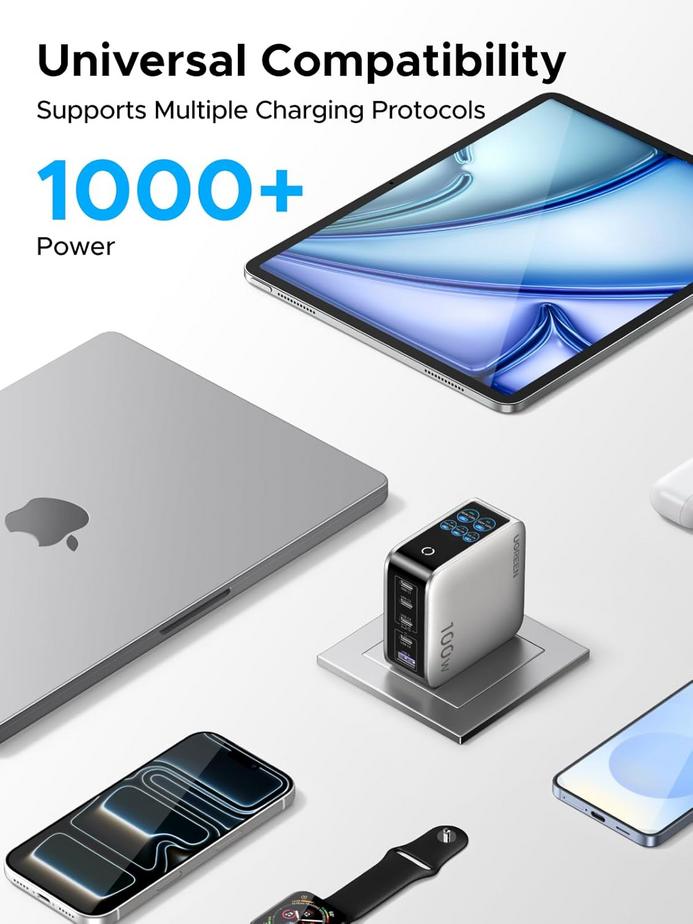
When night approaches, a charging station once agnostic of device type becomes a landscape of distinct territories. A white puck for watch and phone sits next to a slender USB-C plug destined for the foldable. Two LEDs glow in unison: one steady, one pulsing. The hum of multiple adapters and the act of snaking in and out of ports expose a choreography previously hidden, and each night it repeats.
Packing for a short trip used to be an exercise in selectivity: laptop, iPhone, AirPods, perhaps an iPad. Now a padded sleeve invites a second smartphone, and a small cable pouch accompanies the wardrobe. A mesh pocket holds a spare charger for the foldable device alongside familiar Apple bricks. Loading the bag becomes an afternoon ritual of arranging, untangling, re-tucking—each fold of fabric an attempt to reconcile two worlds.
Recent listings reflect reductions compared with earlier availability, a neutral footnote to these equipment shifts. But price adjustments do little to change the humble adjustments we make: shifting cables, recalibrating pockets and altering charging sequences. It is here, in the minutiae, that our interactions with technology adapt without fanfare.
This product is available on Amazon.
Check current availability here
Are these foldable phones compatible with MagSafe chargers?
They do not magnetically align with MagSafe. They require a USB-C cable for charging rather than Apple’s magnetic disc.
How does carrying a foldable device affect iPhone battery routines?
It adds another charging point to manage, often leading to separate cables and an extra adapter in daily setups.
Can I charge the foldable handset from a MacBook USB-C port?
Yes. The USB-C connection works directly with MacBook ports, though it may occupy a port previously used for other accessories.
What should travelers note about packing a foldable phone alongside AirPods?
Padded sleeves and small cable pouches help organize a USB-C charger and prevent tangling with other Apple accessories in a bag.
Verdict
In weaving a foldable phone into routines built around an iPhone or MacBook, users encounter a gentle disruption of habits once taken for granted. The simple necessity of an extra cable, a distinct charging adapter, or a new pocketing habit underscores how intricately our behaviors are linked to device designs. This recurring adaptation highlights the quiet elasticity of our workflows, revealing that even minor shifts in hardware can ripple through daily life without overt announcements, reshaping comfort in understated ways.
"Note: Readers like you help support The Apple Tech. We may receive a affiliate commission when you purchase products mentioned on our website."