AirPlay turns any compatible speaker into an iPhone audio target, but whole-home sound systems with wired speakers expose the gap between casual streaming and architectural audio design.
AirPlay works remarkably well for casual audio. You tap a button on your iPhone, select a speaker or a HomePod, and the music plays. The system assumes portability—speakers that sit on shelves, that move from room to room, that connect wirelessly and reconfigure easily. This works until you want audio that’s permanently installed, wired into walls, and distributed across multiple rooms with consistent quality.
Whole-home audio systems predate AirPlay and exist in a different category entirely. They use amplifiers, physical speaker wire, and passive speakers that have no wireless connectivity of their own. The speakers mount in walls or ceilings and become part of the house’s infrastructure. They’re not devices you move or reconfigure. They’re architectural elements that provide sound to specific spaces, controlled from a central location.
Integrating an iPhone into this setup requires a bridge. AirPlay sends audio wirelessly to an amplifier or receiver, which then distributes that audio through wired connections to the passive speakers throughout the house. The iPhone streams to the amplifier, and the amplifier sends sound to speakers mounted in walls or ceilings, which means the phone’s role ends at the wireless handoff. Everything downstream is analog, physical, and outside the iPhone’s awareness. The phone doesn’t know how many speakers are connected or where they’re located. It just knows it’s sending audio to an amplifier.
This introduces a layer of complexity that casual AirPlay users don’t encounter. The amplifier needs to be AirPlay-compatible, or you need an adapter that receives AirPlay and outputs to a traditional amplifier. The speakers need to be matched to the amplifier’s power output and impedance requirements. The wiring has to be run through walls, which often requires professional installation. The iPhone sits at the top of this chain, controlling what plays, but the actual sound delivery happens through infrastructure that Apple doesn’t make and iOS doesn’t directly manage.
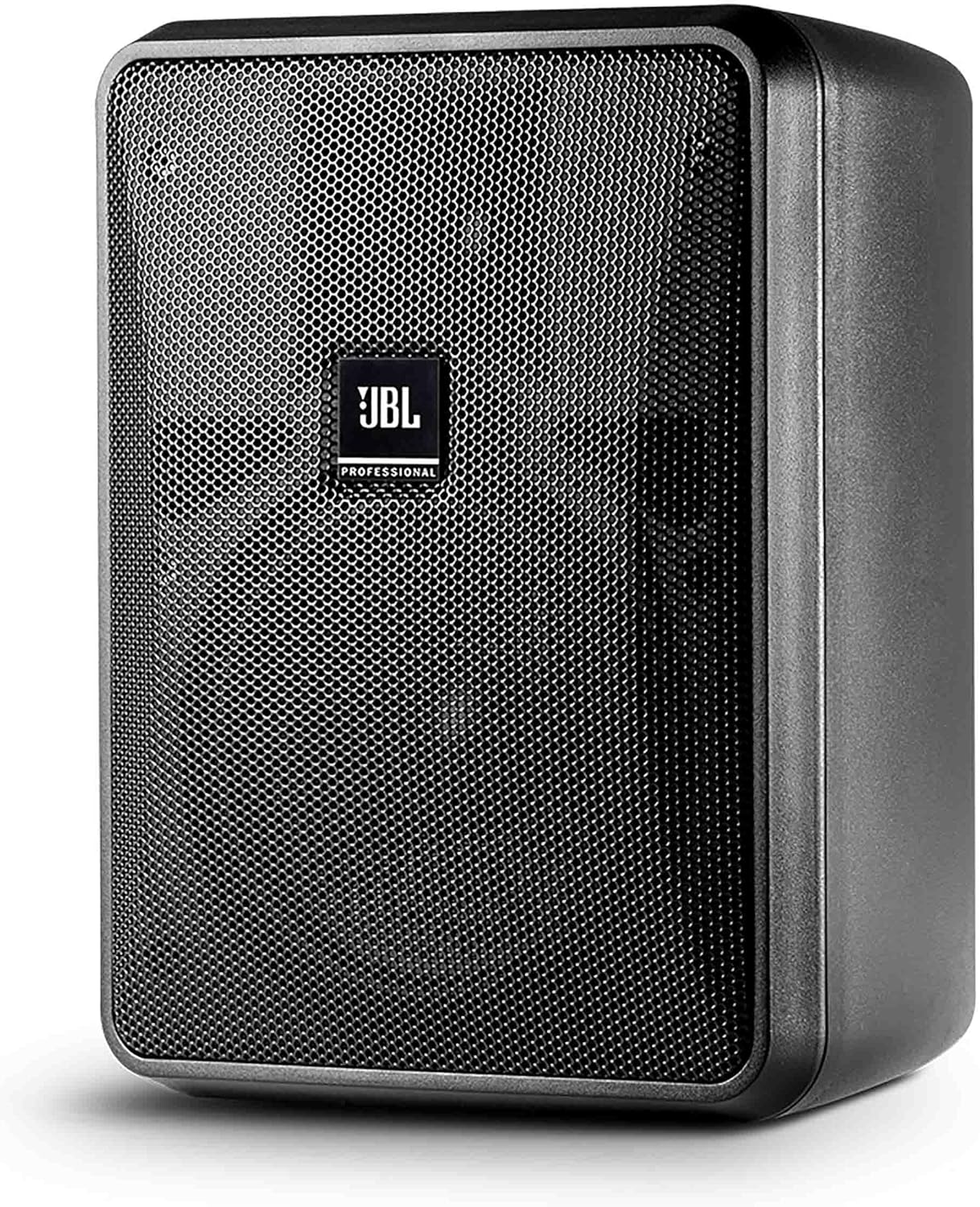
Indoor and outdoor zones further complicate the setup. You might want different audio in the living room, the patio, and the garage. The amplifier handles zone control, switching which speakers receive audio at any given time. But this zoning happens through the amplifier’s interface or physical switches, not through the iPhone. AirPlay treats the amplifier as a single destination. What happens after that—which rooms hear the audio—is determined by hardware that exists entirely outside the Apple ecosystem.
Sound quality in permanently installed speaker systems depends on speaker placement, room acoustics, and amplifier quality more than on the source device. The iPhone provides high-quality digital audio through AirPlay, but that quality is only realized if the downstream components—the amplifier, the wire, the speakers, the room treatment—are up to the task. A professional-grade speaker in the wrong location sounds worse than a consumer-grade speaker properly positioned. The iPhone’s contribution is consistent. The rest of the system varies widely.
The permanence changes how you think about audio infrastructure. A HomePod can move to a different room if your needs change. A Bluetooth speaker travels with you. Wired ceiling speakers are fixed. If you remodel or rearrange rooms, the speakers stay where they were installed unless you’re willing to patch drywall and rewire. This makes the initial installation critical—you’re making decisions about speaker placement that will affect sound quality for years. The iPhone streams the audio, but it doesn’t participate in any of these architectural considerations.
Previously listed at $317, current listings hover around $206 for professional-grade speaker pairs designed for permanent installation. The pricing reflects the expectation that these are part of a larger system requiring amplifiers, wiring, and often professional installation. The iPhone’s AirPlay capability makes it possible to stream to these systems, but the integration is shallow—wireless transmission to a point, then physical distribution beyond the iPhone’s reach. The convenience of tapping a phone to play music remains, but the audio infrastructure exists independently, operating on principles and through hardware that predate and will outlast any individual iPhone.
"Note: Readers like you help support The Apple Tech. We may receive a affiliate commission when you purchase products mentioned on our website."