Five devices needing nightly charging isn’t an aberration—it’s the predictable endpoint of ecosystem buy-in. Charging stations formalize rather than solve this accumulation.
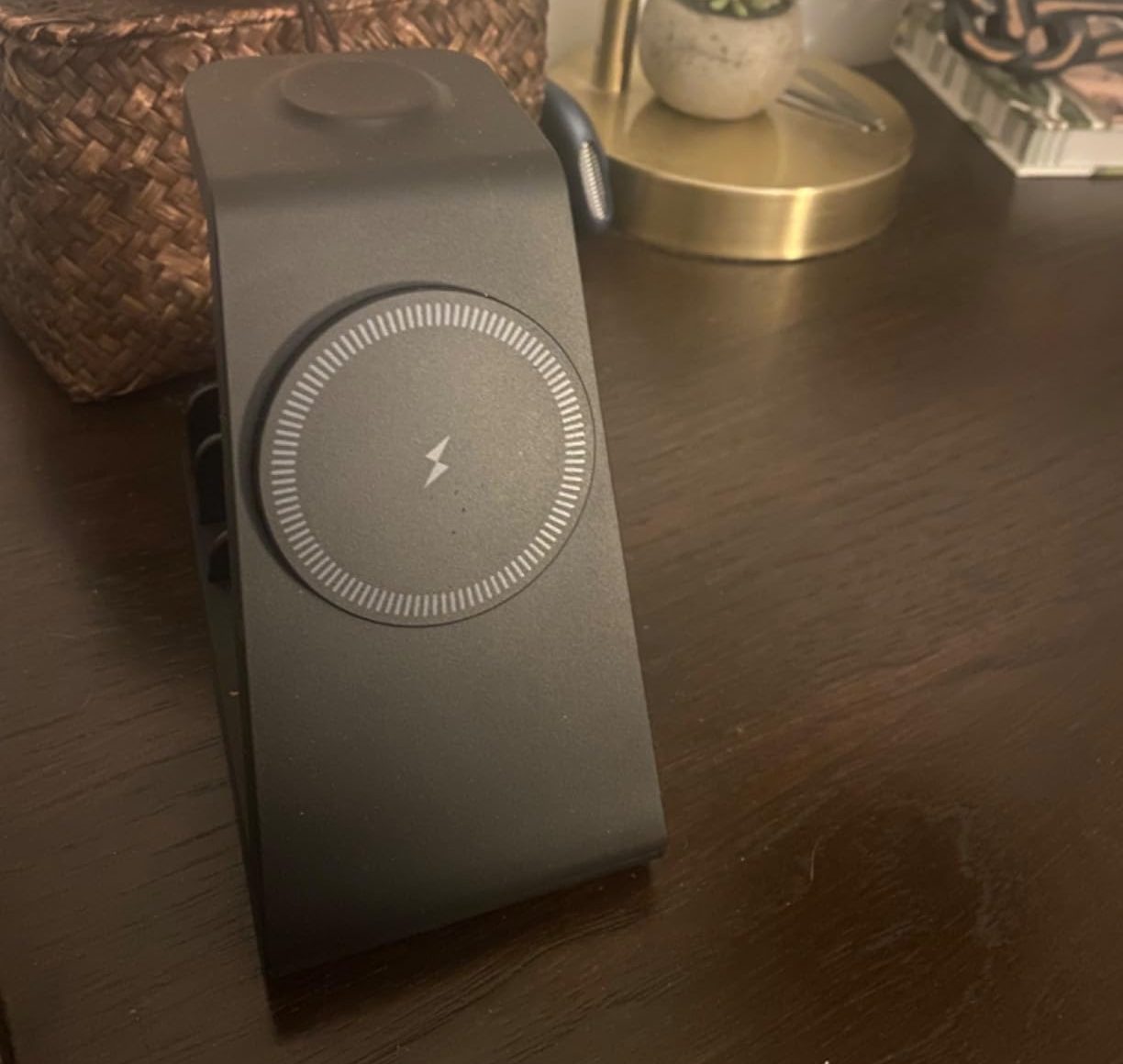
MagSafe’s magnetic alignment promised effortless charging, but multi-device stations reveal the promise’s limits. The iPhone section works reliably because MagSafe’s magnet ring is precisely engineered. The Apple Watch portion uses Apple’s proprietary charger design, which requires exact positioning. The AirPods section typically uses generic Qi charging, which works if you remember the optimal placement. Three different charging technologies sharing one footprint, each with different alignment tolerances.
The station occupies significant nightstand real estate. Measure it out: eight to ten inches wide, six to eight inches deep, three to four inches tall. That’s substantial for a surface that also needs to accommodate a lamp, water glass, book, maybe alarm clock. Some users end up upgrading to larger nightstands to accommodate the charging infrastructure, which feels backward—furniture adapting to accessories rather than accessories fitting available space.
Shared charging stations in common areas create unspoken household protocols. Whose phone gets the prime spot? Does the iPad belong on the station or charge separately? If someone’s AirPods are already there, do you move them to place yours? These micro-negotiations happen silently through positioning and repositioning, a spatial language around device priority.
The 48-dollar-to-29-dollar pricing trajectory tells its own story. Early adopters paid premium prices for consolidation convenience. As manufacturing scaled and competition increased, prices dropped. But the price drop also signals commodification—the product isn’t special anymore, it’s just another charging station in a crowded market. That commodification reduces the perceived value of existing stations, creating subtle upgrade pressure.
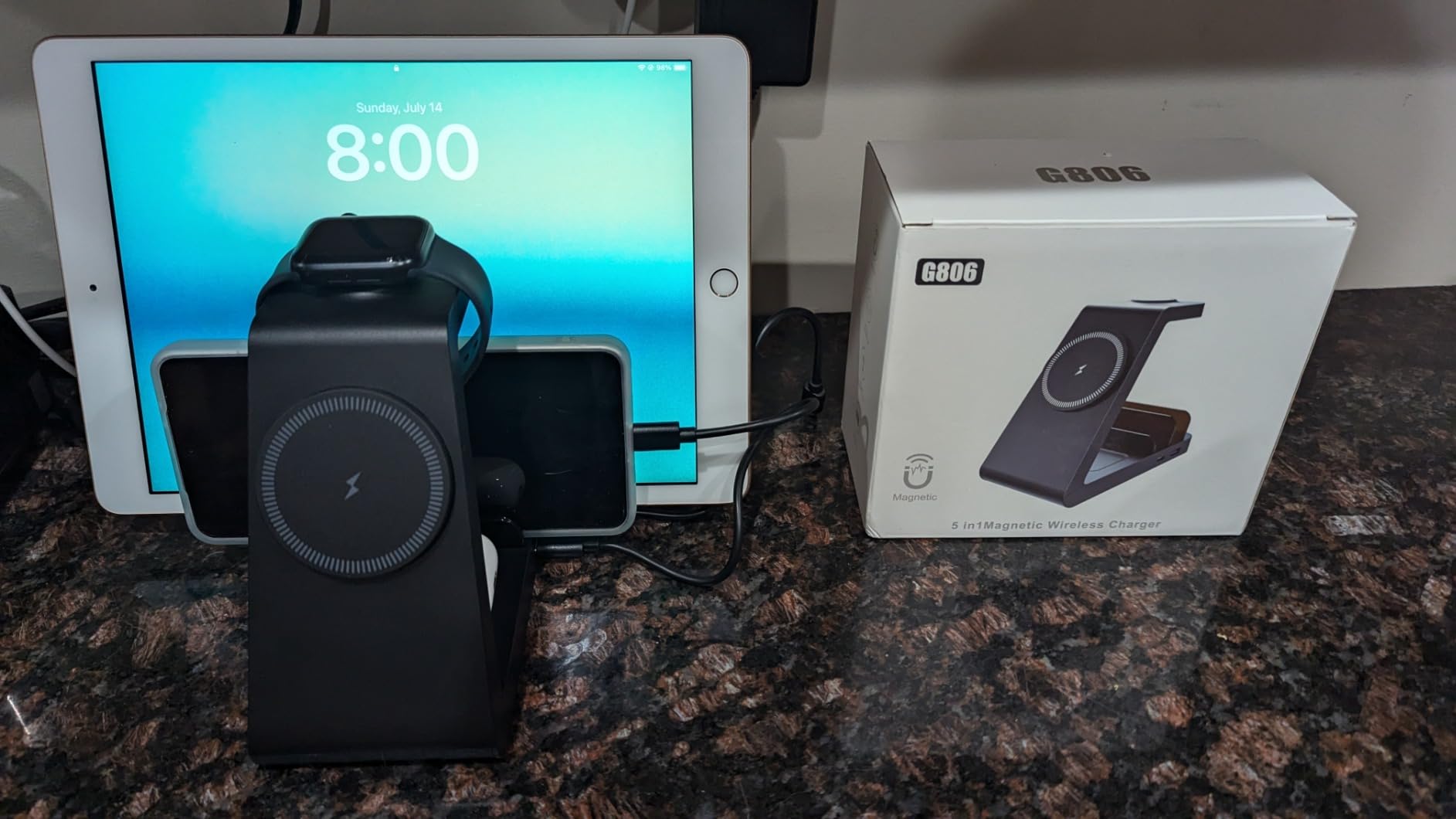
LED indicators vary wildly. Some stations have bright LEDs for each charging position, turning the nightstand into a miniature light show. Others have a single subtle indicator. A few have none at all, requiring trust that devices are actually charging. The LED brightness that seems fine in a store becomes obnoxious at 2 AM when you wake and your bedroom is bathed in blue and green indicator lights.
Cable management underneath remains unsolved. The station itself needs power, which means at least one cable running to an outlet. If your Apple Watch uses a different charging cable than the station provides, that’s another cable. If you want backup wired charging for the iPhone, a third cable. The visual cleanliness on top exists only because the chaos relocated to behind the nightstand where it’s slightly less visible.
Device case compatibility creates unexpected friction. Thick iPhone cases reduce magnetic strength, causing phones to slide off charging surfaces overnight when a notification vibrates the device. Apple Watch bands with metal components can interfere with charging coils. AirPods Pro cases with keychain attachments might not sit flat in the designated spot. The station assumes naked devices in optimal conditions, but real usage involves accessories that complicate the geometry. Previously listed at $48, current listings hover around $28.99.
"Note: Readers like you help support The Apple Tech. We may receive a affiliate commission when you purchase products mentioned on our website."