

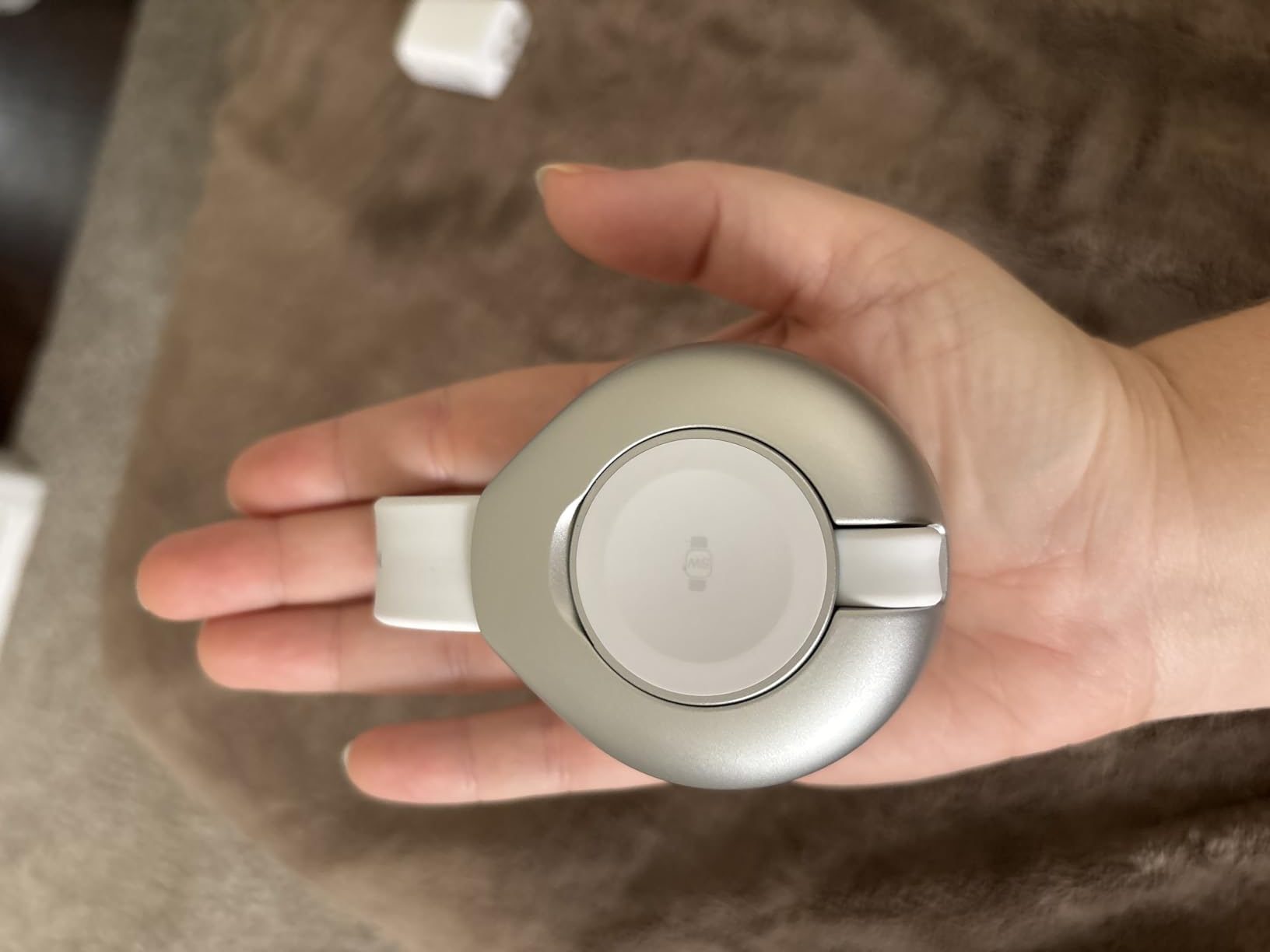
The original logic was simple: each Apple device came with its own charger, so traveling meant bringing all of them. For years, this approach worked without much thought. Cables got tossed into bags, sometimes tangled, occasionally forgotten, but the system functioned. The friction didn’t register as a problem until users started counting how many separate items they were carrying just to keep devices charged overnight in a hotel room.
This awareness has led to a behavioral shift toward consolidated charging stations that handle iPhone, Apple Watch, and AirPods from a single unit. The habit of carrying three separate chargers for three separate devices has been replaced by the expectation that one portable unit should handle everything. The appeal isn’t technical—it’s organizational. Fewer items to pack means fewer items to forget, lose, or untangle.

What’s changed isn’t the charging technology but the user’s tolerance for managing multiple accessories. A decade ago, tech enthusiasts accepted that carrying several cables was part of owning multiple devices. Now, even casual users find that level of accessory management excessive. The consolidation reflects a broader expectation that the Apple ecosystem should simplify daily routines, not complicate them with overlapping hardware requirements.
MagSafe has accelerated this shift by making wireless charging more reliable. Earlier wireless chargers required precise alignment, and a device shifted slightly overnight would wake up uncharged. MagSafe’s magnetic attachment removes that uncertainty, which makes consolidated charging stations more practical for travel. The iPhone snaps into place, the Apple Watch sits on its puck, and AirPods rest in their designated spot—all without the need to verify positioning before going to sleep.
The size and weight considerations have also evolved. Early multi-device chargers were bulky, often designed for permanent desk placement rather than travel. Newer models fold flat or collapse into compact shapes that fit easily into carry-on luggage without adding significant weight. The trade-off between carrying one heavier unit versus three lighter cables has tilted toward the single unit because the total volume is often smaller and the mental load of managing one item instead of three is noticeably reduced.
SIMILAR
iPhone and MacBook users are compensating for a port problem Apple created
iPhone users are eliminating the tangled cable from every car charging session
iPhone users are transforming nightstands into silent charging infrastructure
What’s also revealing is how quickly this becomes a permanent change. Users who switch to a consolidated charging station for a single trip rarely revert to carrying multiple cables afterward. The convenience of unpacking one item instead of three, plugging into one outlet instead of searching for multiple sockets, and repacking one unit instead of wrangling several cords creates a habit that persists even for short trips where the difference seems minimal.
The behavior reflects a tension between how Apple designs individual products and how users actually live with multiple devices. Each product was optimized for standalone use, with its own charging solution. But households and travelers managing iPhone, Apple Watch, and AirPods simultaneously have decided that standalone optimization is less valuable than consolidated charging infrastructure. The single station solves a problem Apple didn’t explicitly design for: reducing the number of things people need to think about when keeping multiple devices powered.
Portable three-in-one magnetic charging stations with foldable designs supporting iPhone, Apple Watch, and AirPods are currently available around $16, reflecting a market where multi-device travel charging has shifted from managing separate cables to expecting unified solutions that reduce the accessory burden for users moving between locations with multiple Apple products.
"Note: Readers like you help support The Apple Tech. We may receive a affiliate commission when you purchase products mentioned on our website."



