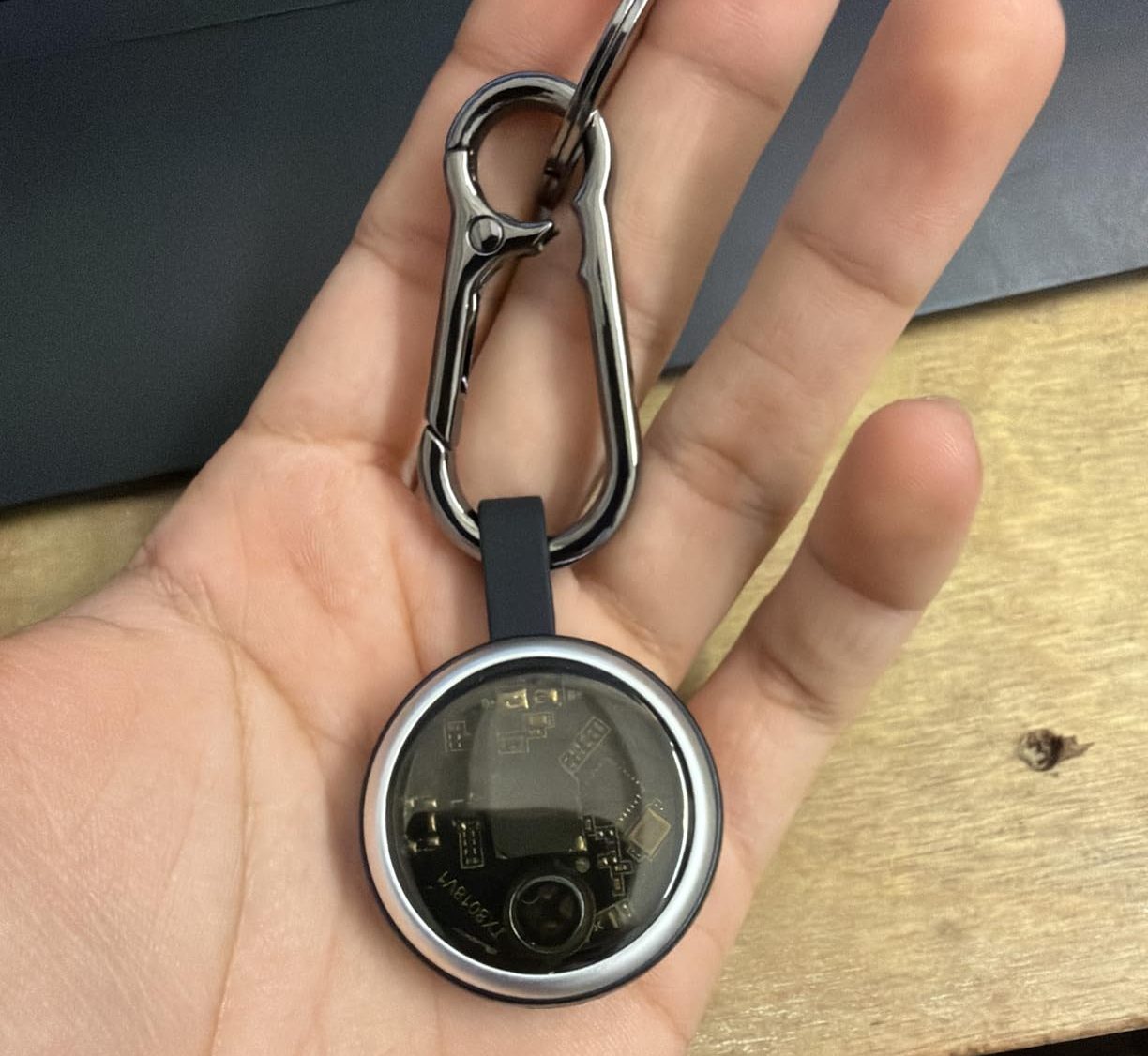
Keys and wallets were obvious candidates for tracking when AirTags launched. They go missing frequently enough that recovery tools made immediate sense. But tracking behavior didn’t stop at problem items. It expanded to objects that rarely disappeared but occupied mental space nonetheless.
Remote controls became trackable. So did medication bottles, reusable water containers, and charging cables that never left the house. The pattern revealed something beyond practical loss prevention—people were outsourcing spatial memory to the Find My network. The cognitive load of remembering where things are started to feel like an unnecessary burden once the technology existed to eliminate it.

Pet tracking introduced ethical complexity that object tracking didn’t require. Attaching a tag to a dog’s collar transforms an animal into a monitored entity within the Apple ecosystem. The technology works identically whether tracking a backpack or a living creature, but the implications differ in ways iOS doesn’t acknowledge.
Luggage monitoring grew from travel industry failures rather than traveler carelessness. Airlines mishandle bags at low rates, but the possibility felt intolerable once tracking became available. Find My didn’t solve a widespread problem—it made rare problems feel unacceptable. The anxiety shifted from losing belongings to not knowing where they are at every moment.
Waterproofing enabled outdoor and active use cases that first-generation AirTags couldn’t reliably handle. Camping gear, sports equipment, and anything exposed to weather needed protection Apple’s original design didn’t provide. The ecosystem accommodated contexts beyond the initial urban lost-and-found scenario.
SIMILAR
Why iPhone users are carrying standalone noise machines instead of relying on sleep apps
Apple Watch charging became a bedside ritual, here's why the placement matters more than expected
iPhone users are quietly giving up the cable and most dont realize why it happened so gradually over time
Four-pack pricing reflects how tracking scales once people start. One tag leads to questions about what else should be monitored. The behavior expands faster than the actual utility, driven by the discomfort of having some items tracked while others remain unmonitored. Partial visibility creates more anxiety than no visibility at all.
iOS integration makes these tags feel native to the Apple ecosystem, but that seamlessness has consequences. The tracking infrastructure locks users into Apple’s platform. Switching to Android means abandoning the spatial awareness system they’ve built around their possessions. The ecosystem doesn’t just track objects—it tracks the people who depend on that tracking.
The broader pattern suggests something about how the Apple ecosystem reshapes expectations. Features that solve occasional problems become constant presences that change behavior even when the original problem isn’t occurring. The technology moves from reactive tool to proactive framework for managing daily life.
Previously listed around $40, current listings for four-pack Find My compatible trackers now appear closer to $22, indicating that multi-item tracking has transitioned from specialty use to standard practice within iOS-dependent households.
"Note: Readers like you help support The Apple Tech. We may receive a affiliate commission when you purchase products mentioned on our website."