
For years, the Apple Watch charging ritual followed a single pattern: take it off at night, place it on a bedside charger, put it back on in the morning. The routine worked because sleep was the longest continuous period the watch wasn’t being worn. But as more users work from home, that assumption has started to break down.
A magnetic charging stand designed for desk use changes the timing. Instead of charging overnight, the watch charges during work hours—during video calls, while typing, anytime the user is stationary at a desk. The watch comes off, sits on the stand, and charges in an hour or two. By the time the workday ends, it’s back at full battery.
What makes this shift notable is how it redistributes charging across the day. Users who previously needed their watch charged by morning now have flexibility. The watch can track sleep without interruption. It can monitor heart rate and movement overnight. The data that used to be missing—sleep stages, nighttime heart rate variability—suddenly appears in the Health app.
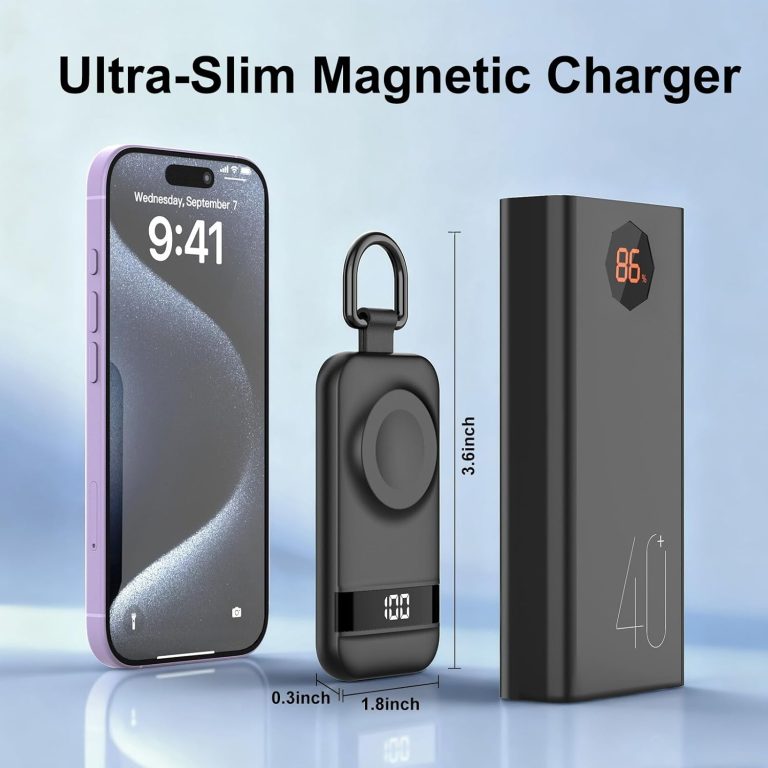
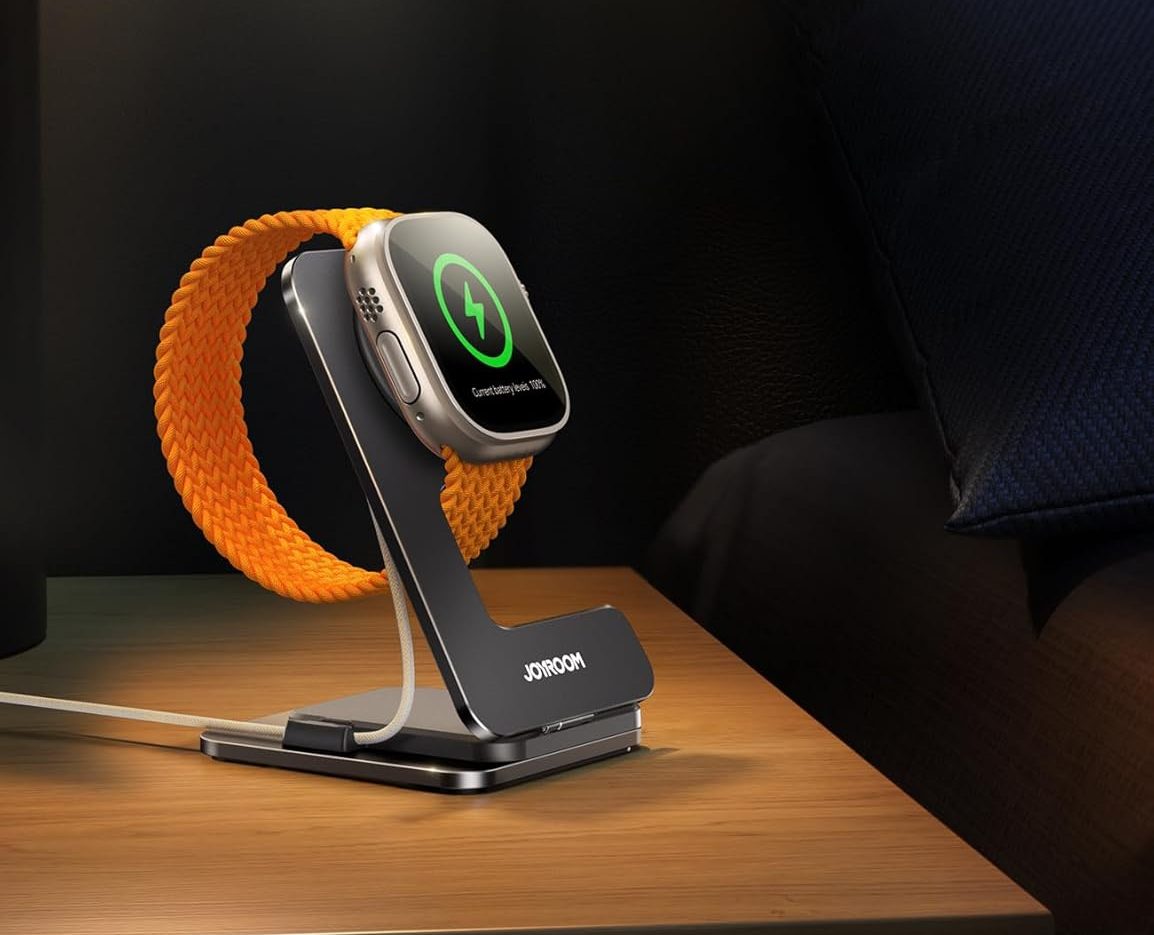
The stand itself is simple. A magnetic puck elevated on a small base. The watch sits upright, screen visible, which allows it to function as a desk clock when not being worn. For users who glance at the time frequently, that visibility matters. The watch isn’t tucked away charging in another room. It’s present, charging, and still showing the time.
Compatibility spans the entire Apple Watch lineup—every series, every size, from the original 38mm models to the latest Ultra. That range means the stand doesn’t become obsolete with an upgrade. Users who’ve cycled through multiple Apple Watch generations report using the same desk stand for years. It just keeps working.
The behavioral change is gradual. At first, users charge at the desk out of convenience—the watch happens to be low during work hours, the charger is right there. Over time, it becomes intentional. The watch comes off during focused work. It charges while the user is in meetings. By evening, it’s fully charged and ready to wear through the night.
For users who track fitness metrics, this timing shift has a secondary effect. The watch is now worn during evening workouts, walks, or activities that previously happened while it was charging. Those sessions get logged. The activity rings close more consistently. The data becomes more complete.
The desk stand doesn’t replace nightstand charging entirely. Some users still charge overnight out of habit. But for those who’ve made the switch, the watch becomes something that charges when it’s not being used, rather than something that must be removed at a specific time of day. The routine becomes more fluid, less prescribed.
Recent listings show a discount of 21% off standard pricing.
"Note: Readers like you help support The Apple Tech. We may receive a affiliate commission when you purchase products mentioned on our website."