

In the quiet theater of daily life, our interaction with personal technology often settles into predictable rhythms. These routines, built from repeated gestures and unconscious decisions, form the bedrock of our digital experience. While grand product launches capture headlines, it is often the ancillary objects – the unassuming stands, charging pads, and connectors – that subtly remap the landscape of our daily habits. These items, designed to address minor friction points, become invisible fixtures, their presence so natural that their absence would feel like a disruption. They exist not as focal points, but as quiet enablers, shaping how we reach for a device, where it rests, and how it powers through the day.
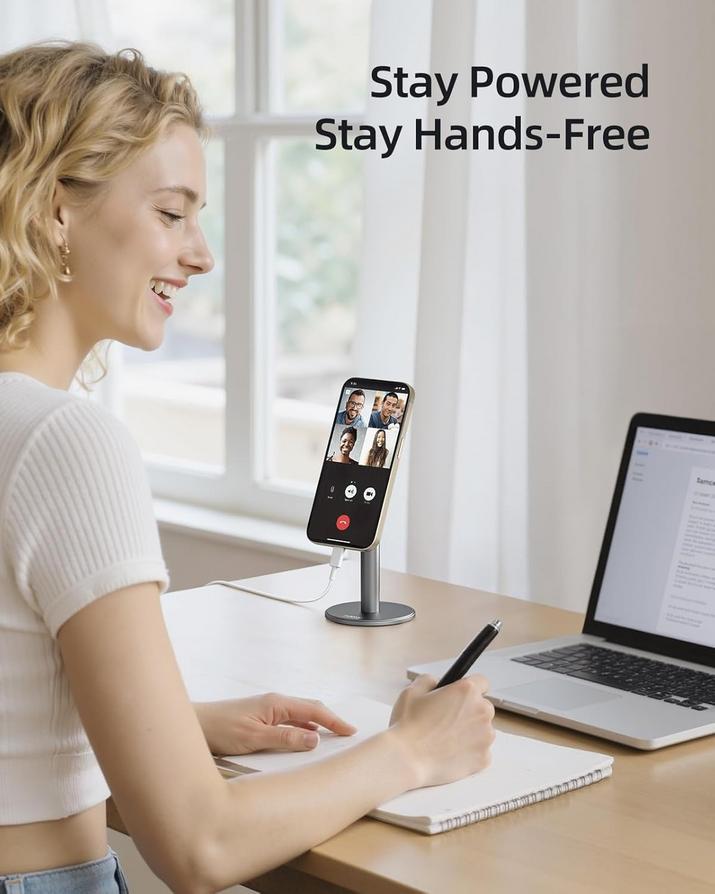
Consider the desk, a primary interface for many Apple users. For years, MacBooks might lean precariously against a stack of books, or an iPhone might lie flat, demanding a craned neck for glanceable notifications. The introduction of dedicated metal stands or magnetic docks alters this fundamental interaction. The almost unconscious act of placing a MacBook into a vertical stand, or an iPhone onto a MagSafe-compatible upright, becomes a normalized ritual. This shift isn’t about mere aesthetics; it’s about a minute recalibration of posture, visual access, and the reclamation of precious desktop real estate. The small friction of fumbling for a device or clearing space is simply absorbed into a refined gesture.
MagSafe, in particular, has ushered in a new chapter for iPhone charging routines. The tactile satisfaction of the magnetic ‘snap’ replaces the precise, sometimes frustrating, alignment required of a Lightning or USB-C cable. On a nightstand, in a home office, or even a kitchen counter, this magnetic engagement simplifies the act of ensuring a device is powered. It mitigates that low-level anxiety of waking to a dead battery, a concern born from a misplaced or poorly connected cable. The interaction shifts from a conscious effort to a confident, almost subconscious, placement, reinforcing a quiet dependence on a system that works predictably.
Beyond the desk, the portability of our devices also sees subtle adaptations. While an iPhone is inherently mobile, the ease with which it can be docked and undocked influences where it finds its temporary home. Similarly, the ongoing integration of wireless audio has shaped how we consume media. For those who value existing, high-fidelity audio equipment, the subtle presence of a Bluetooth transmitter can bridge generations of technology. It allows a treasured stereo system to seamlessly connect with AirPods or other wireless headphones, preserving familiar listening rituals without demanding a complete overhaul of one’s audio environment.
These smaller, often overlooked accessories highlight a deeper, quiet dependence on the Apple ecosystem. MagSafe docks are designed for iPhones; certain stands are sculpted to complement the industrial design of a MacBook or iPad. This isn’t overt brand loyalty, but rather a functional alignment. The ecosystem is defined not just by the interconnectedness of software and services, but also by the physical objects that facilitate smooth transitions between devices. When an accessory “just works” within this framework, it reinforces the perception of a coherent, thoughtfully integrated technological environment.
Consider the morning ritual: the quiet extension of a hand across a bedside table, feeling for the familiar cool glass of the iPhone, then lifting it from its magnetic perch. The faint, satisfying click as it detaches, or the gentle hum of a charging indicator confirming a full battery. Or perhaps, the precise weight of a MacBook as it’s guided into a vertical stand at the end of a workday, its fans sighing into silence. These are not dramatic moments, but rather fragments of a day, repeated gestures that form the invisible grammar of living with technology.
What starts as a response to a minor inconvenience – a messy cable, a propped-up iPad, a desire for better audio flexibility – gradually normalizes. The initial impression of a “new” accessory fades as it integrates into the background of daily life. The small behavioral adaptations become so ingrained that the original friction they alleviated is often forgotten. The desk feels naturally cleaner, charging feels instinctively simpler, and audio connections are effortlessly made. This quiet normalization reflects a continuous human process of subtly optimizing our environments for comfort and efficiency.
These refinements to personal device interaction continue to evolve, with various offerings periodically appearing. Recent listings for such accessories have reflected reductions of up to one-third compared with earlier availability, indicating a broader adjustment in their market presence. Ultimately, these small physical objects are more than tools; they are the tangible expressions of how our habits, often without our conscious awareness, continuously adapt to the evolving landscape of our Apple-centric digital lives.
This product has recently appeared more often in conversations around portable Apple setups and everyday charging routines.
Check current availability here
How do magnetic charging stands integrate into existing iPhone charging habits?
Magnetic charging stands, particularly those with MagSafe, allow for a consistent, precise alignment of the iPhone for charging. This often simplifies the end-of-day ritual, replacing the need to visually confirm cable insertion with a confident magnetic attachment.
What role do desktop stands play in long-term MacBook or iPad usage?
Desktop stands elevate devices to more ergonomic viewing angles and free up valuable desk space. For MacBooks, vertical stands can improve cooling and minimize clutter, while iPad stands offer stable platforms for content consumption or light productivity.
Can Bluetooth audio transmitters adapt non-Apple audio equipment for use with AirPods?
Yes, Bluetooth audio transmitters are designed to bring wireless connectivity to wired audio systems. They enable devices like AirPods to connect to traditional stereos, car audio, or older speakers, maintaining audio quality without requiring new wireless speakers.
How does the design of these accessories influence the physical space around Apple devices?
These accessories often feature minimalist designs that complement Apple’s aesthetic, helping to reduce visual clutter. By providing dedicated, elevated, or organized placements, they redefine the immediate physical environment of an iPhone, MacBook, or iPad, fostering a more ordered workspace.
Verdict
These subtle accessories, often considered minor additions, reveal a larger truth about our relationship with personal technology. They don’t just hold devices; they shape micro-routines, reduce low-level frustrations, and quietly adapt our physical spaces to the demands of our digital lives. What begins as a practical solution often normalizes into an invisible habit, underscoring a continuous, almost unconscious, negotiation between our environment and the Apple ecosystem.
"Note: Readers like you help support The Apple Tech. We may receive a affiliate commission when you purchase products mentioned on our website."