
Apple’s battery estimates are generally accurate under controlled conditions, but controlled conditions rarely describe how people actually use their devices. An Apple Watch tracking a morning run, an iPhone handling navigation and photos during a day trip—these aren’t edge cases. They’re ordinary use, and they drain batteries faster than a typical office day.
The anxiety isn’t about the device dying completely—it’s about watching the percentage drop during the exact hours you still need it to function. Twenty percent remaining at 3 p.m. means different things depending on whether you’re heading home or starting the interesting part of your day. That uncertainty taught people to carry insurance.
Portable charging used to feel like preparation for disaster—something you’d bring on a long flight or a festival. Now it’s migrated into everyday carry for people who aren’t particularly precious about their devices. They just noticed a recurring gap between Apple’s battery life and their own schedule.
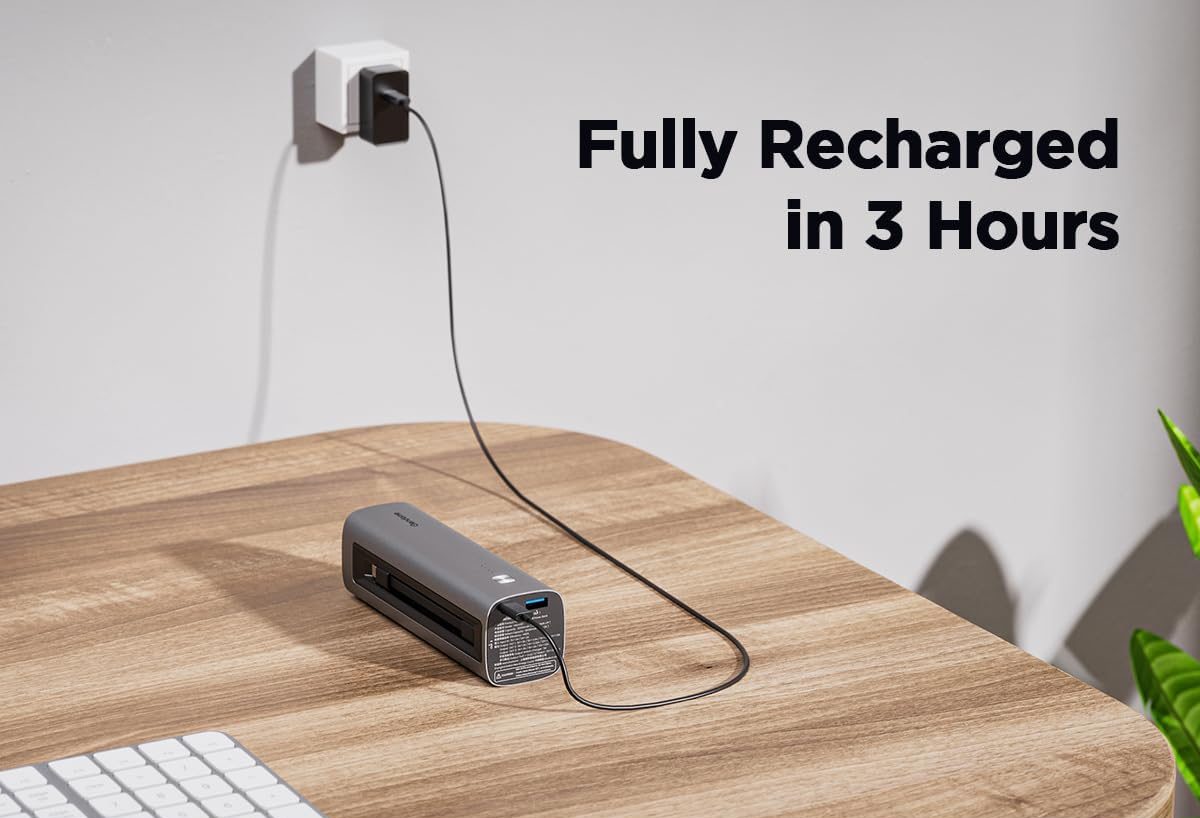
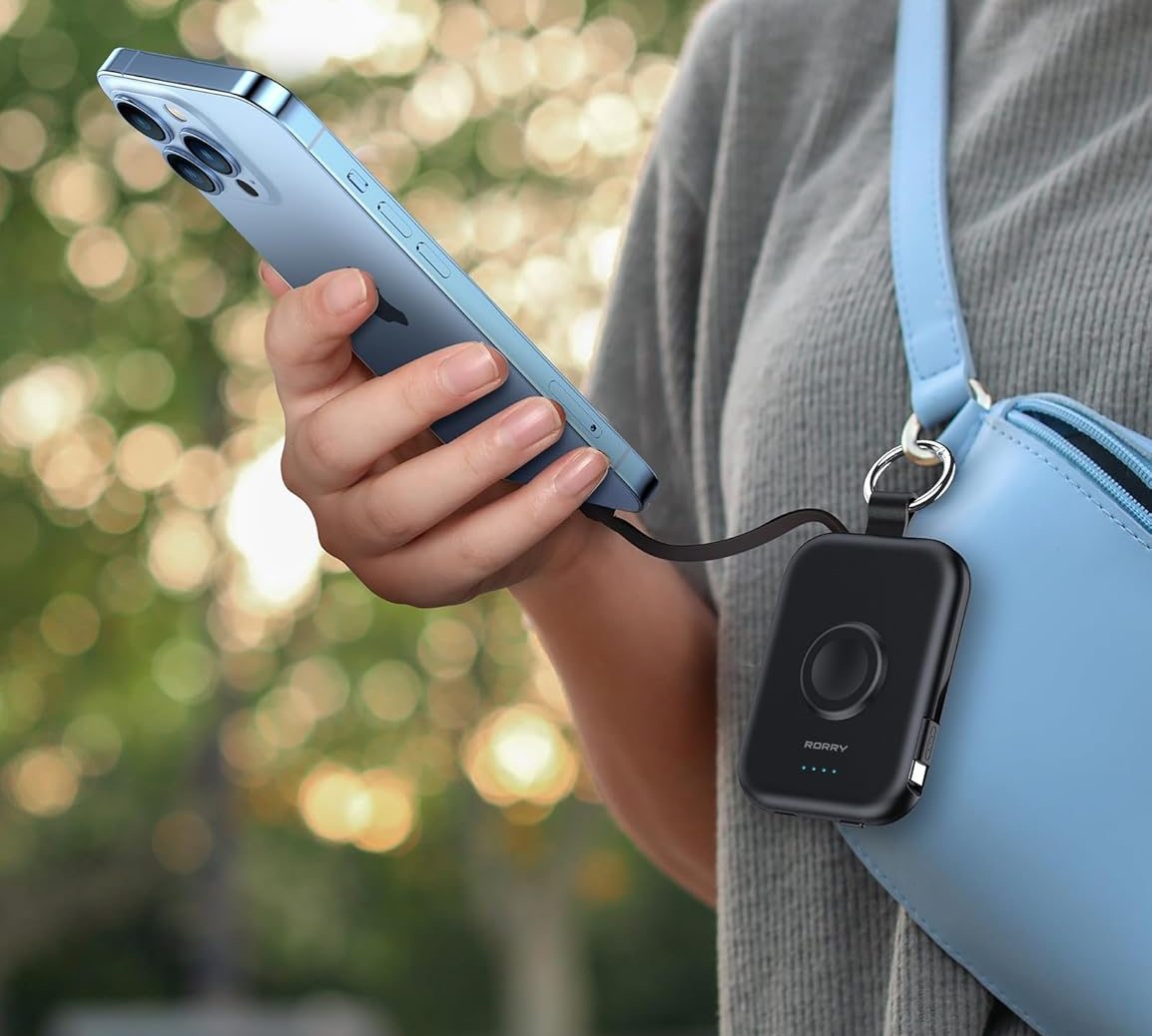
What’s striking is how small the form factor has become. Early portable chargers were thick, heavy rectangles that defeated the purpose of traveling light. The newer versions hang on a keychain, which means they’re present by default rather than by planning. That shift matters. It’s the difference between “I should remember to pack this” and “it’s already with my keys.”
The built-in cable detail isn’t trivial either. Carrying a charger but forgetting the cable was a common failure mode, the kind of small logistical miss that made the whole system feel unreliable. Integrated cables remove one decision point, which sounds minor until you’re standing somewhere with 8 percent battery and no compatible cord.
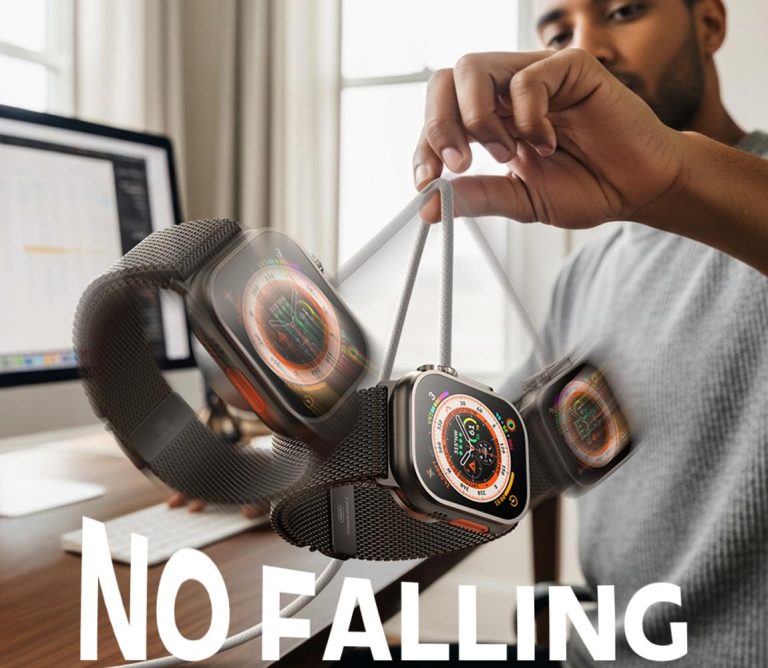
Apple Watch owners, in particular, developed this habit faster. The Watch’s battery life is shorter, its charging requirement more specific, and its failure more immediate—a dead Watch doesn’t just stop showing notifications, it stops tracking activity, payments, and time. That made the risk feel higher.
Some listings currently reflect a reduction of roughly 21 percent compared with earlier availability. But the real calculation is whether someone has stood somewhere, watching their battery drain, wishing they’d brought backup power. Once that happens enough times, the behavior becomes automatic.
"Note: Readers like you help support The Apple Tech. We may receive a affiliate commission when you purchase products mentioned on our website."