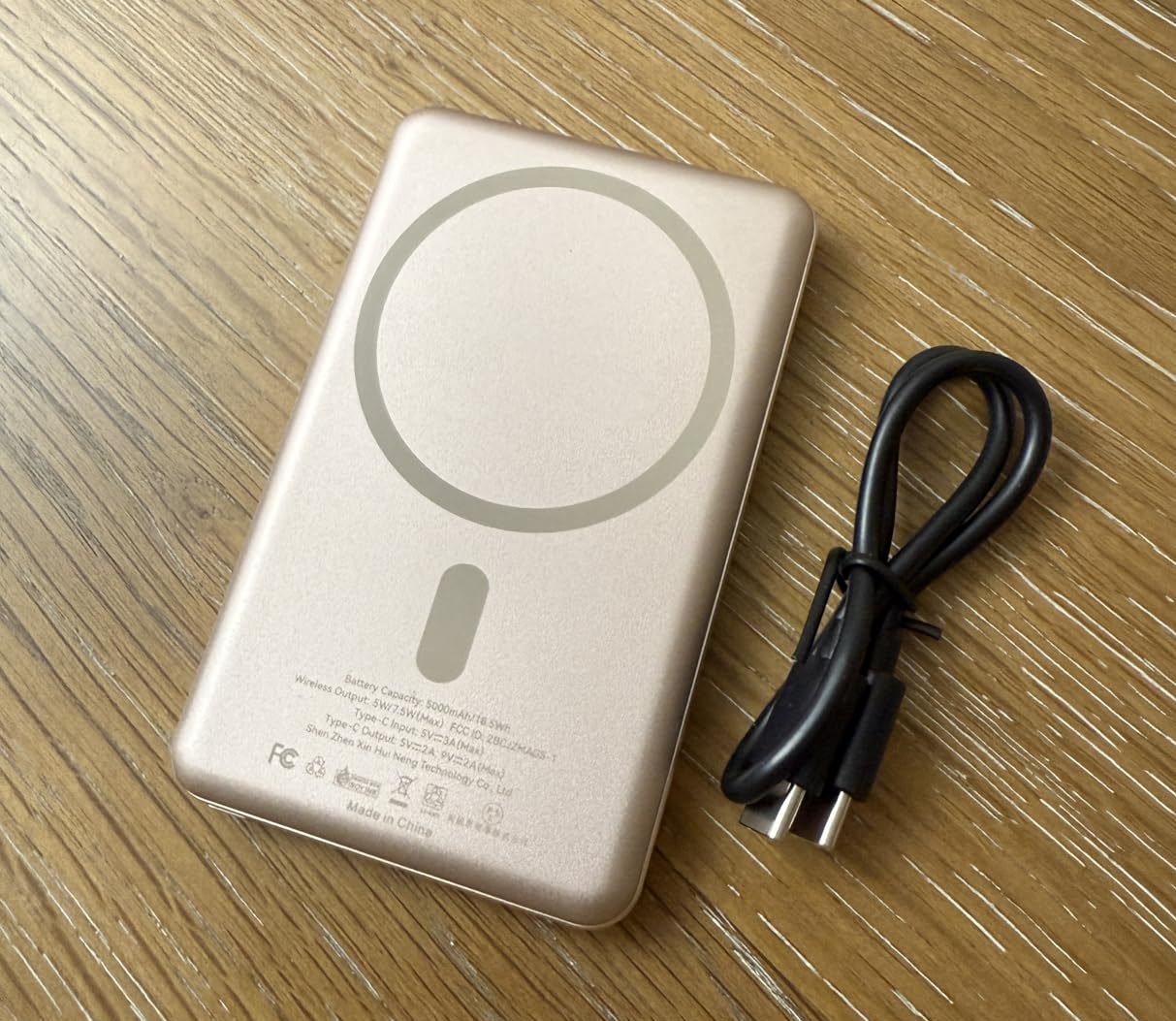
At three-tenths of an inch, it stopped feeling like carrying a battery and started feeling like carrying a slightly thicker phone. Traditional battery packs were bag accessories—too bulky for pockets, relegated to backpacks or purses. You’d pull them out when the phone hit 20%, connect a cable, and wait. They solved the power problem but required planning and bag space.
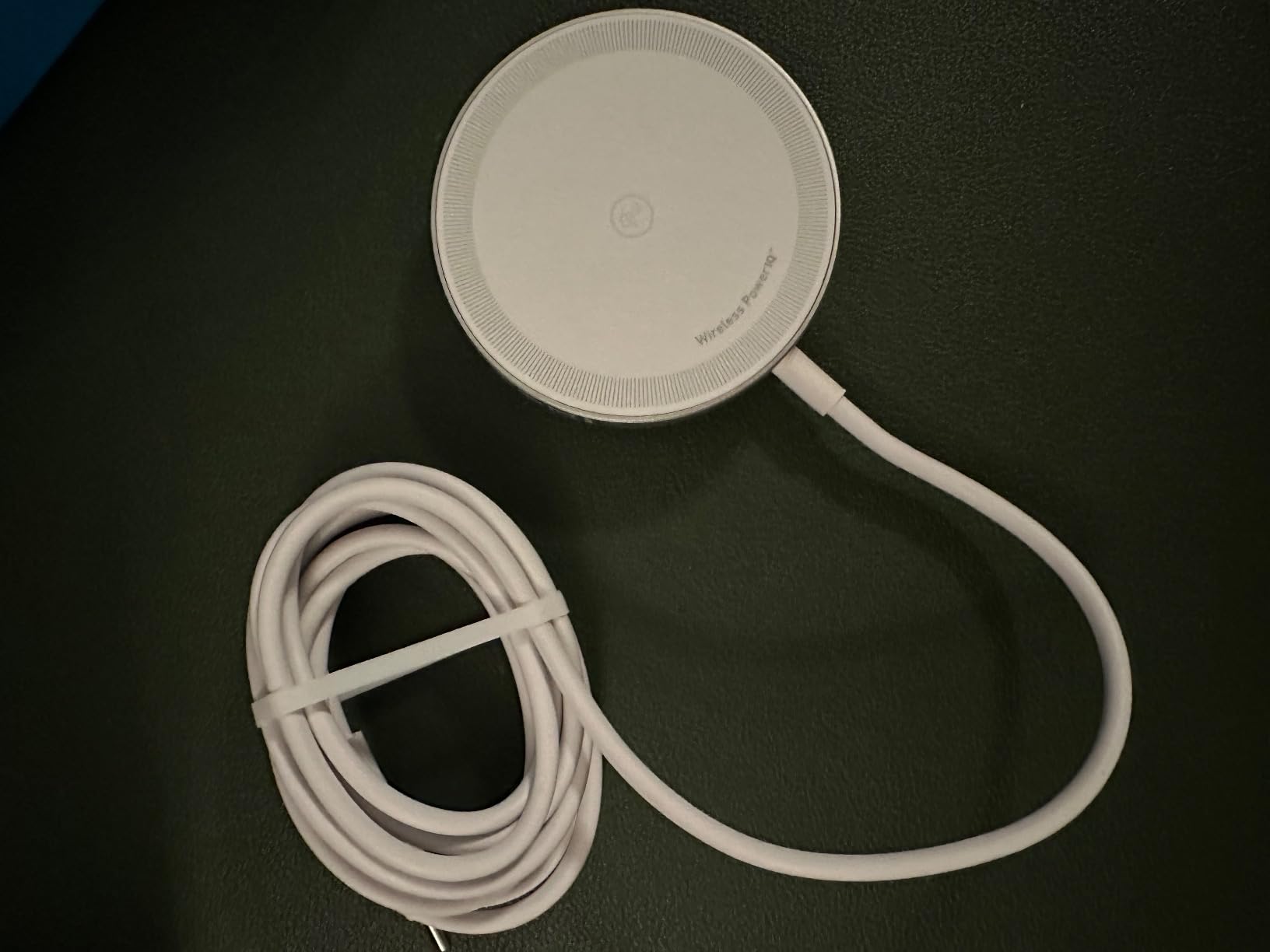
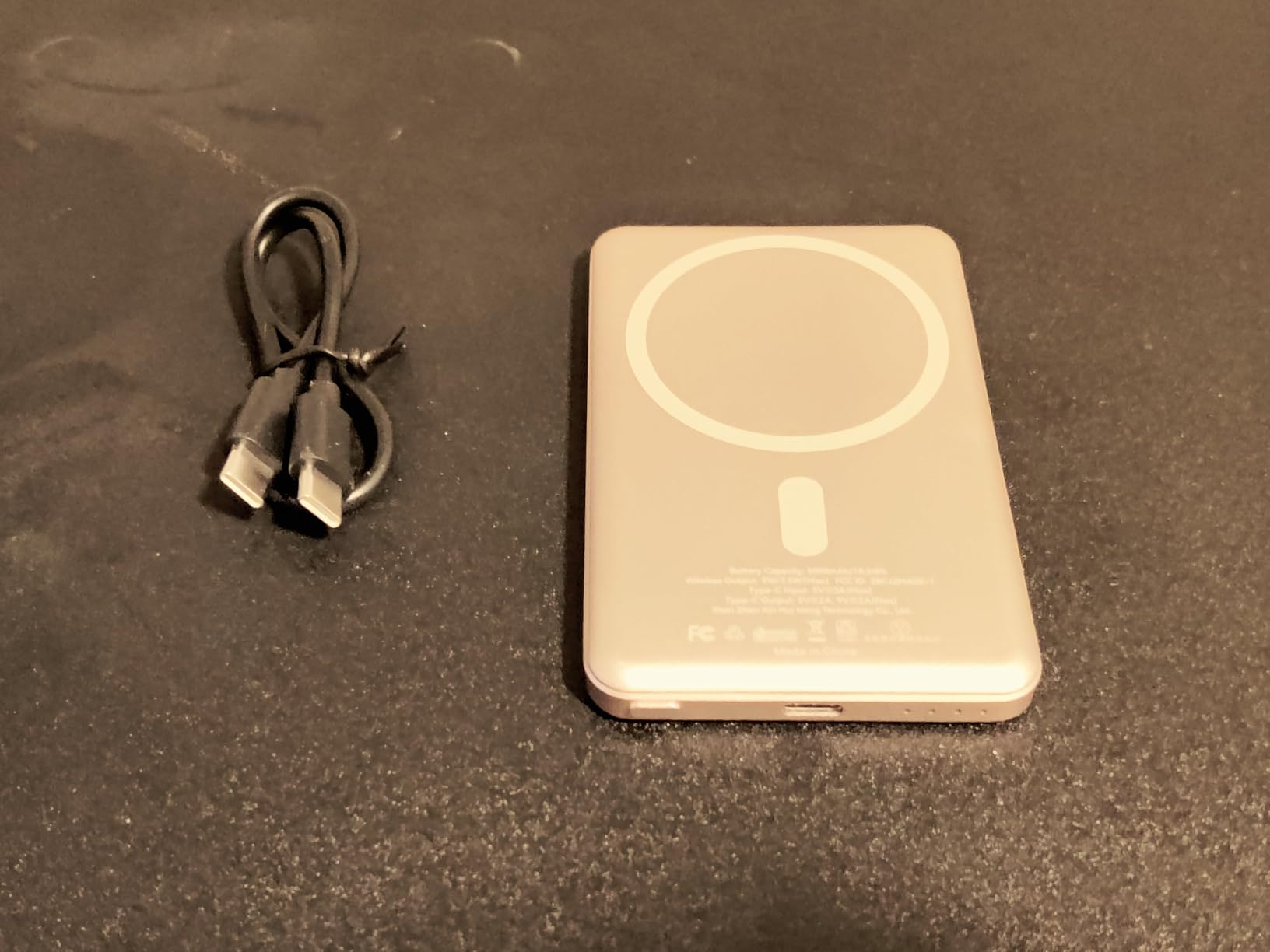
Ultra-thin MagSafe battery packs collapse this friction. They snap magnetically to the iPhone’s back and charge wirelessly, no cable required. More importantly, they’re thin enough—0.3 inches—to slip into a jeans pocket alongside the phone, or to be carried in a jacket pocket without creating an obvious bulge.
This has changed the behavioral pattern around supplemental charging. Instead of reactive charging—”my battery is low, where’s my battery pack?”—users now practice preventive carrying. The battery pack goes in the pocket at the start of the day, attached or separate, ready to snap on whenever the phone dips below comfortable levels.
The 5,000mAh capacity is revealing. It’s not enough for a full iPhone charge, especially on Pro Max models. It delivers roughly 50-70% additional battery, depending on usage. But that’s often sufficient. The goal isn’t to fully recharge the phone; it’s to extend the day past the point where battery anxiety would normally set in.
Yet the slim profile creates thermal challenges. Wireless charging generates heat, and there’s less material to dissipate it when the battery pack is ultra-thin. Some users report the iPhone getting noticeably warm during charging, particularly when simultaneously running power-intensive apps like navigation or video streaming. The thinness enables pocket carry but compromises thermal management.
What’s interesting is how this shifts the mental model of battery life. Instead of “I need to make it through the day on a single charge,” users think “I have a backup that lives in my pocket.” The anxiety threshold moves. Running down to 30% battery by mid-afternoon stops feeling like a problem when you know you can snap on a magnetic battery and continue without interruption.
Previously listed at $39.99, current listings hover around $25.99. The price reflects the engineering challenge: making a battery thin enough for pocket carry while maintaining useful capacity and safe thermal performance requires design precision that wasn’t economically viable until recently.
"Note: Readers like you help support The Apple Tech. We may receive a affiliate commission when you purchase products mentioned on our website."