Ten years ago, overnight charging meant plugging in one device: a phone. The ritual was simple. Cable, outlet, nightstand. Wake up to 100%.
Now it’s more layered. An iPhone needs charging. So does an Apple Watch. So do AirPods. Sometimes an iPad is in the rotation. Each device has its own power requirements, its own cable or puck or case. The nightstand becomes a staging area.
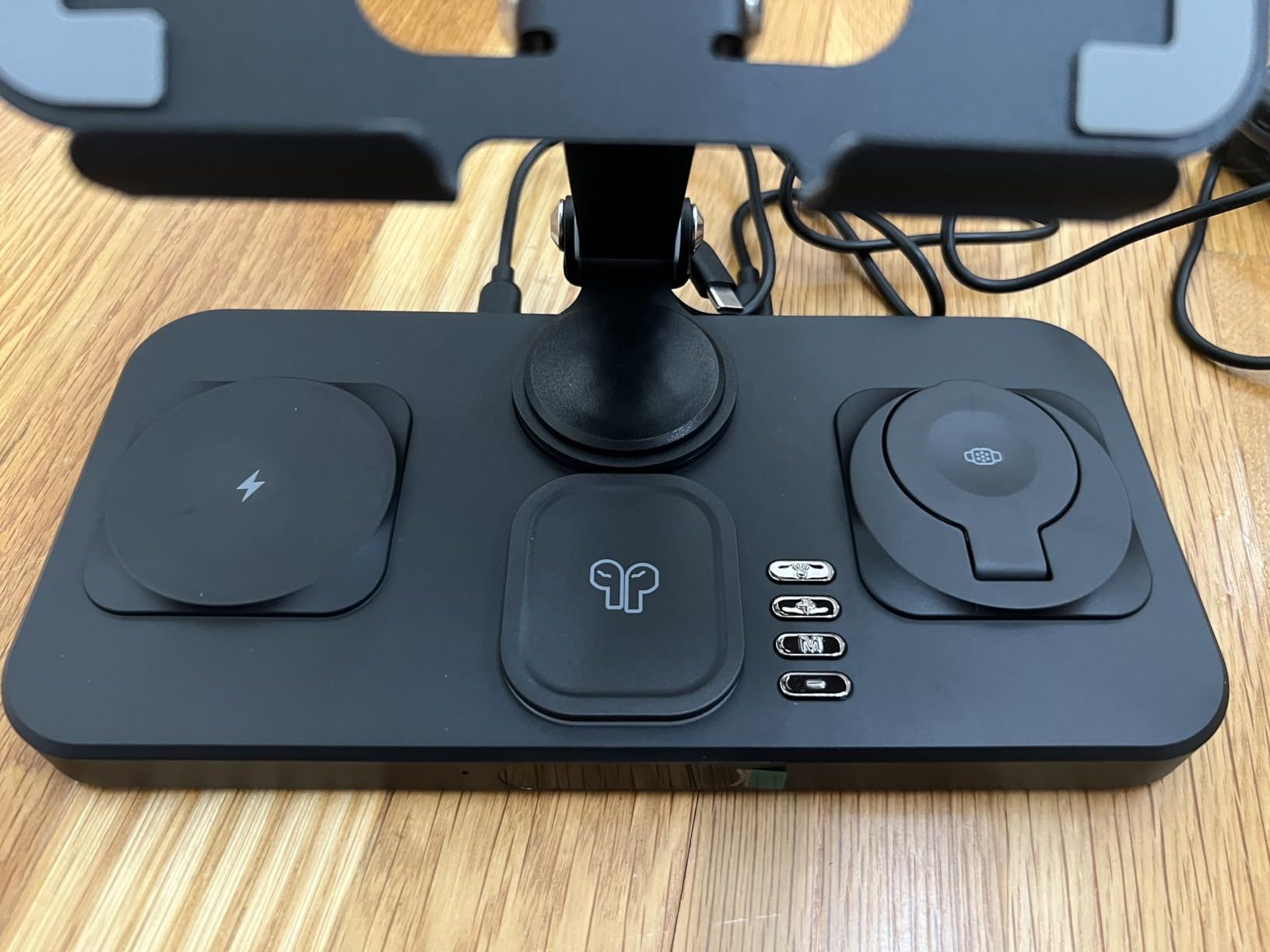
What’s changed isn’t just the number of devices—it’s the expectation that all of them should be fully charged by morning. No one wants to start the day triaging battery life across three products. So the overnight routine expands to accommodate everything.
This has created new spatial pressures. A nightstand with one outlet isn’t enough. People add power strips, or they run extension cords, or they rearrange furniture to get closer to a second outlet. The bedroom’s electrical geography starts to matter in ways it didn’t before.
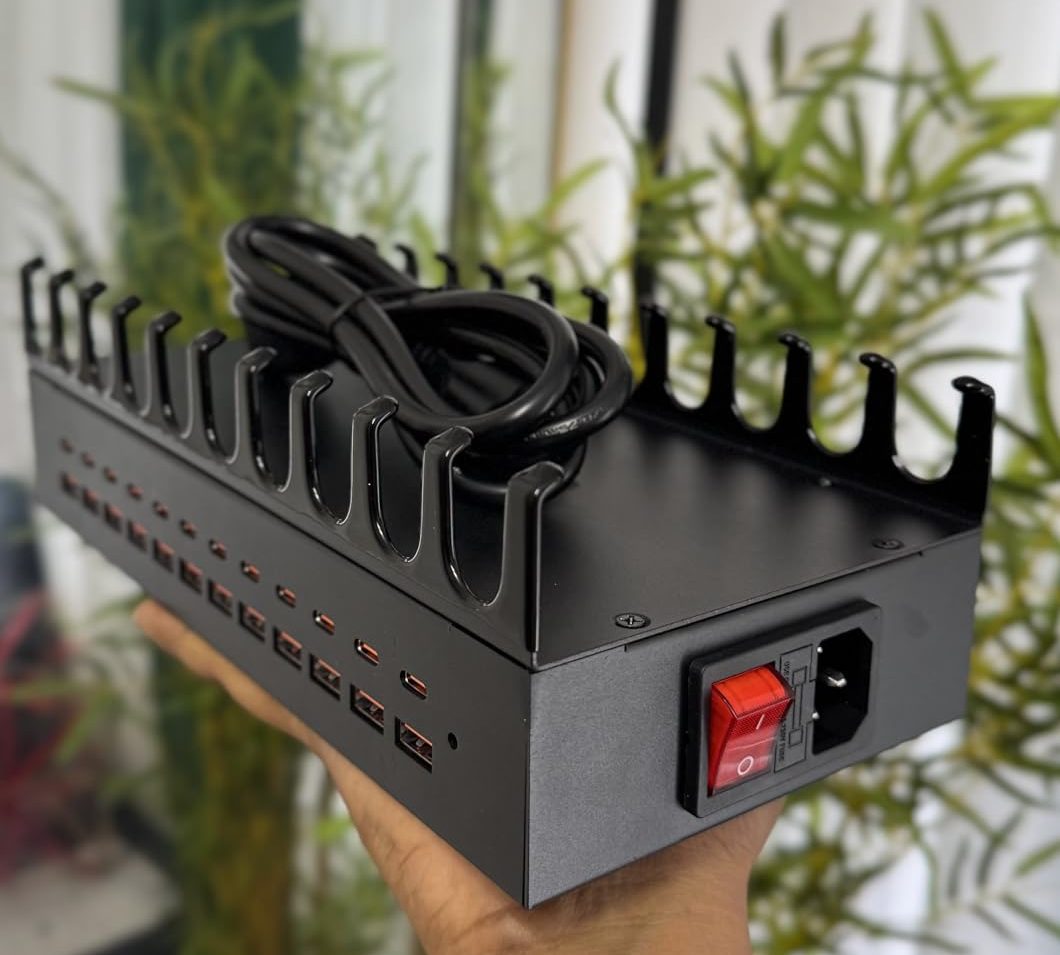
Some people solve this with consolidated charging solutions—single objects that handle multiple devices. The appeal is obvious: fewer cables, less visual clutter, one plug instead of three. But it also means committing to a specific charging location. The devices have to be there, every night, in the right configuration.
Others resist consolidation and keep the setup modular. Separate cables mean flexibility—you can charge the iPhone on one side of the bed and the watch on the other. But it also means more cords, more plugs, more management.
There’s something odd about how much mental space this occupies. It’s not a major problem, but it’s a daily negotiation. Did you remember to put the watch on the charger? Is the AirPods case actually charging, or just sitting near the cable? These aren’t urgent questions, but they’re persistent.
Apple’s design language emphasizes wireless simplicity, but the reality for many users is a web of charging infrastructure that has to be actively managed. The devices themselves are elegant. The overnight routine is not. Previously listed at $69.99, some multi-device solutions now appear near $42.99, though the shift is less about cost and more about reclaiming a few square inches of nightstand space.
"Note: Readers like you help support The Apple Tech. We may receive a affiliate commission when you purchase products mentioned on our website."