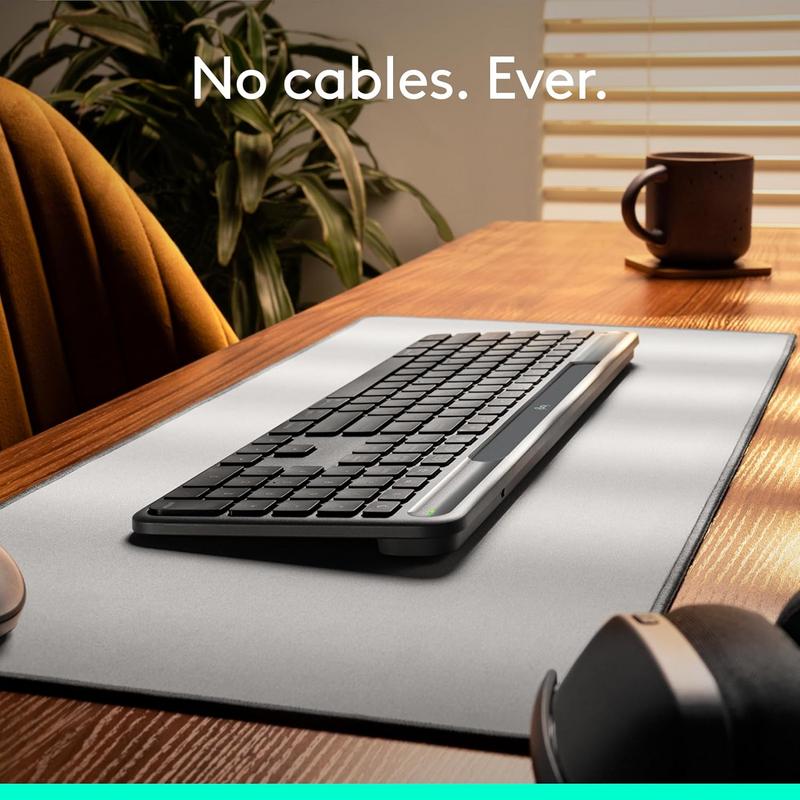
When whispers circulated about an ultra-slim, light-powered keyboard that never needs an external charge, MacBook users found themselves pausing over familiar routines. The idea of a peripheral drawing power directly from ambient light flickered at the edge of awareness, nudging questions about the tangles of cables beneath desks and the low hum of charging batteries. It wasn’t about a new gadget. Rather, it signaled a shift in how small, recurring frictions on the workspace might fade into the background.
That afternoon, a habitual commute became subtly altered. At the station, hands instinctively reached for a small charging cable looped around a travel adapter before stowing it away. Yet that day, the cable stayed in its pouch. There was an odd, pleasant space in the backpack where one less cord sat folded, and a brief reconsideration of luggage weight. The absence of that familiar loop underscored how everyday routines hinge on the promise of a powered keyboard.
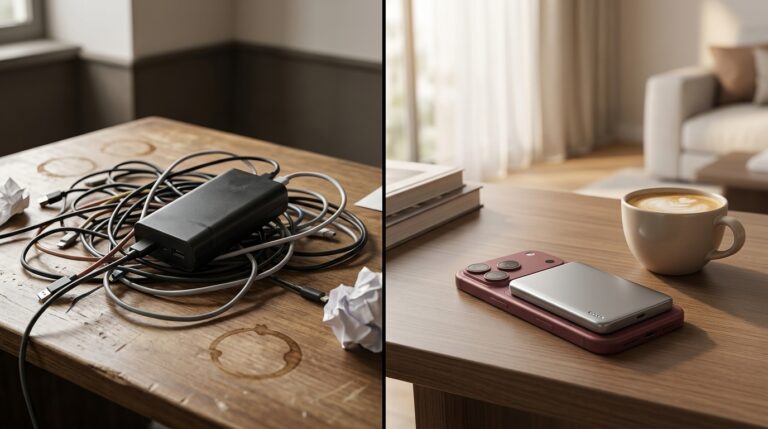
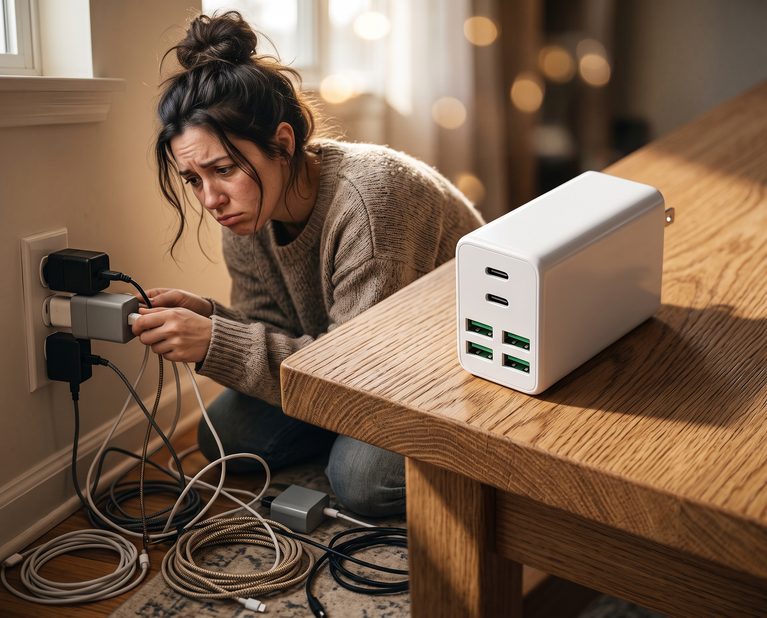
Back at a home desk, the MacBook Pro’s polished aluminum sat alongside a charging hub and a pair of AirPods resting on their wireless pad. A gentle cascade of micro-USB and USB-C cables trailed toward a power strip underfoot. Each plug, each bend, felt like a tiny concession to portable design. The notion of a keyboard that bypassed this tangle—drawing energy from a desk lamp’s glow—reframed how users mentally map their workspace.
Later, in a dimly lit room, a hand reached into near darkness for a keyboard’s charging port, only to find nothing. Fingers brushed across its surface, tracing the familiar ridges where a USB-C input once hid. There was a momentary disorientation, as if part of the ritual had gone missing. In the hush before sleep, this absence felt less like an omission and more like a quiet accommodation to simpler, almost invisible behavior.
On an early flight, the scene replayed: half-awake passengers adjusting trays and unpacking devices. A commuter gingerly slid an iPad and MacBook into a shared sleeve, noting the relief of one fewer cable jostling inside. The keyboard, powered by cabin lighting and sunlit windows, no longer competed for precious outlet space. It was a small reprieve in a routine that often began with a search for an airport lounge plug.
These shifts resonate in broader ecosystem habits. Between MagSafe adapters, Lightning cables, and the growing adoption of USB-C, the dance of connectors across iPhones, AirPods, and MacBooks remains meticulous. Introducing a peripheral that sidesteps this choreography nudges users toward rearranging cables, reprioritizing ports, and freeing up charging bricks for other devices. These low-level adaptations ripple quietly through backpacks, conference rooms, and common desks.
In private offices and communal workspaces alike, these subtle shifts accumulate into personal narratives about control and convenience. A user might not journal the removal of a charging cable, yet the sensation of a tidier desk lingers twice as long as any routine tweak. It is in these marginal decisions that the contours of modern tech habits reveal themselves—an unobtrusive gesture here, a reassigned port there—that shape how devices are woven into daily life.
Recent listings reflect reductions of up to 20 percent compared with earlier availability.
This product is available on Amazon.
Check current availability here
How does a light-powered keyboard integrate with my MacBook setup?
It occupies the same desk footprint as a typical wireless keyboard but draws energy from ambient light, eliminating the need for USB-C or MagSafe charging cycles.
Will office or home lighting consistently power it throughout the day?
In most well-lit rooms and near windows, the solar cells maintain charge levels, though extended periods in dim environments may slow its energy intake.
Does this affect how I manage cables for iPhone and AirPods?
By removing one USB-C cable from daily use, users often repurpose that port or charger for an iPhone or AirPods, subtly reshaping cable routines.
Can I pack this keyboard without a charger for travel?
Yes. Its independence from external power sources lightens your load, though carrying it alongside devices reliant on USB-C or MagSafe remains common.
Verdict
In observing how a light-powered keyboard seeps into daily workflows, a larger story emerges about minimal frictions and subtle control. MacBook users may not headline these minor shifts, but each liberated cable and simplified setup traces a broader desire for quiet efficiency. Their hands adapt first—reaching less often for plugs, loop-tying fewer cords—mapping out how modern habits evolve around the spaces and light that sustain our devices.
"Note: Readers like you help support The Apple Tech. We may receive a affiliate commission when you purchase products mentioned on our website."