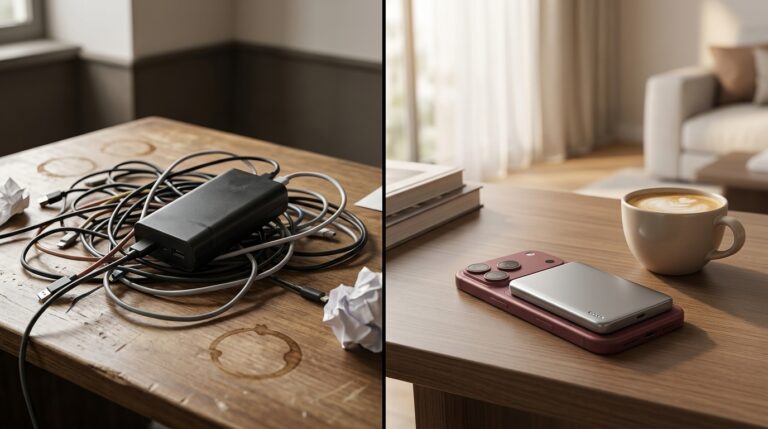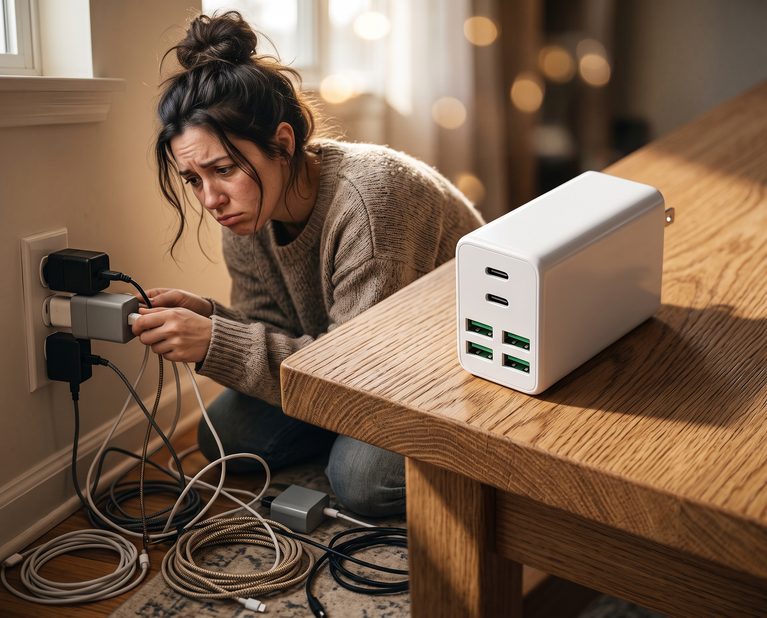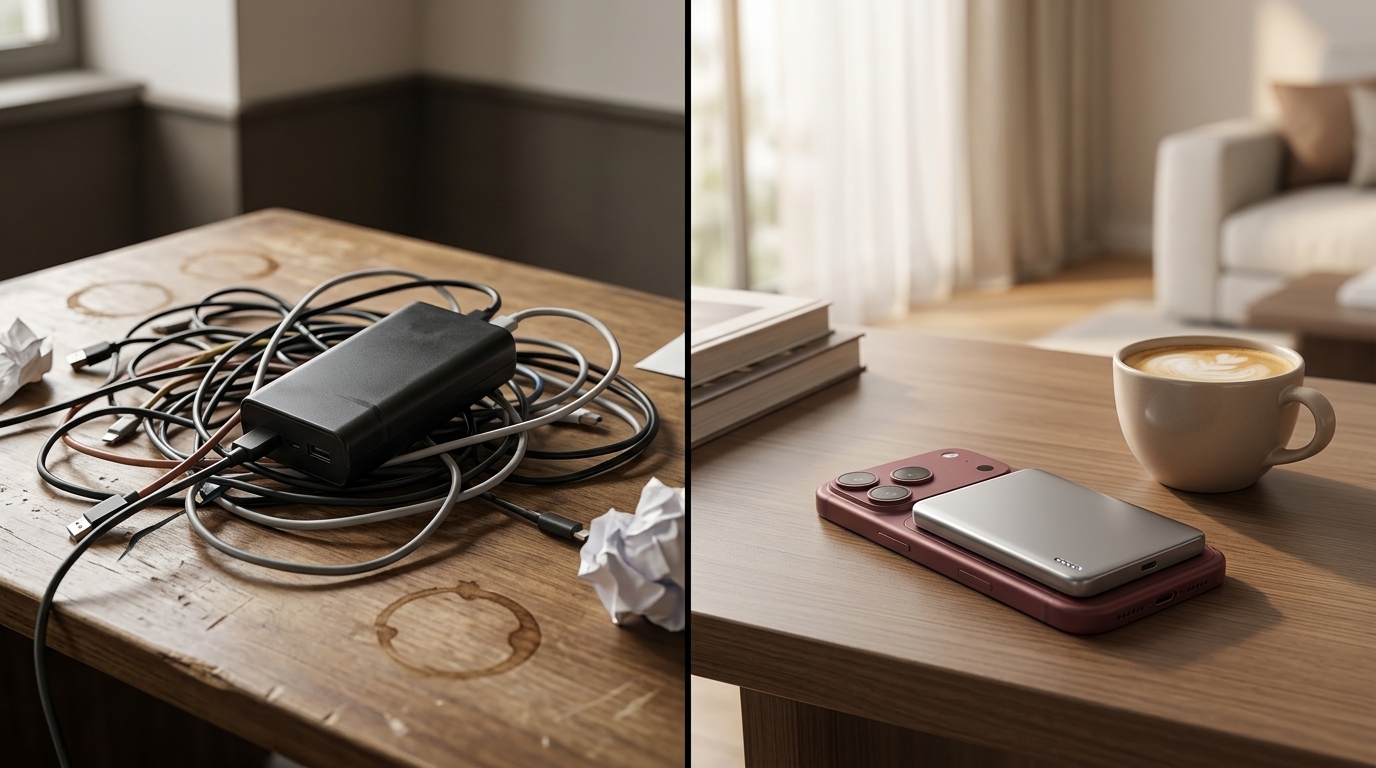

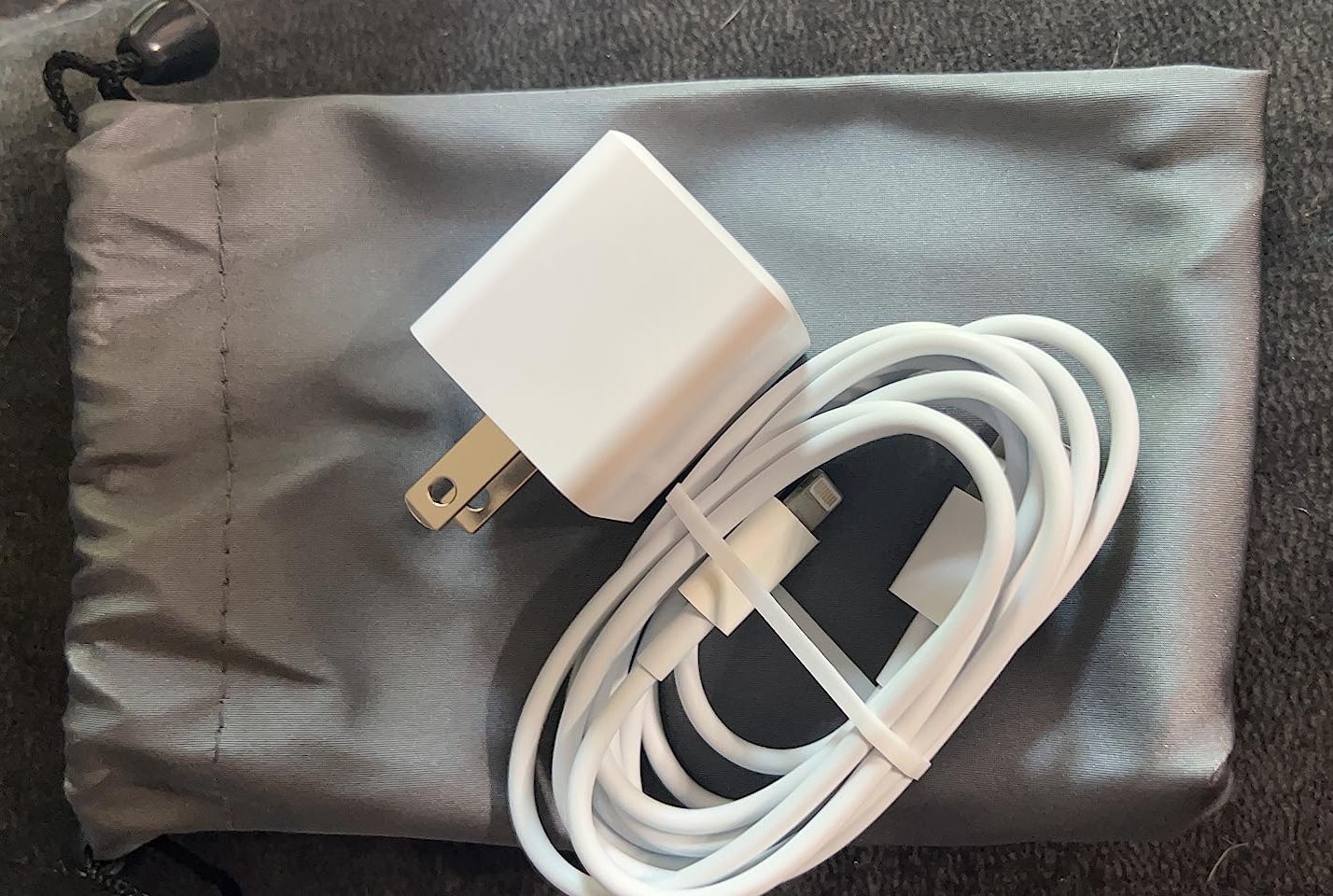
Walk into enough homes with iPhone users and a pattern emerges: cables everywhere. One by the bed, one in the kitchen, one in the car, one in the bag. Sometimes two, because the first one stopped working and no one bothered to remove it.
The Lightning cable has become the most disposable essential in the Apple ecosystem. It doesn’t break catastrophically—it degrades. The connector loosens, the charging becomes intermittent, the cable starts requiring precise angles to establish connection. Then it stops working altogether, usually at the least convenient moment.
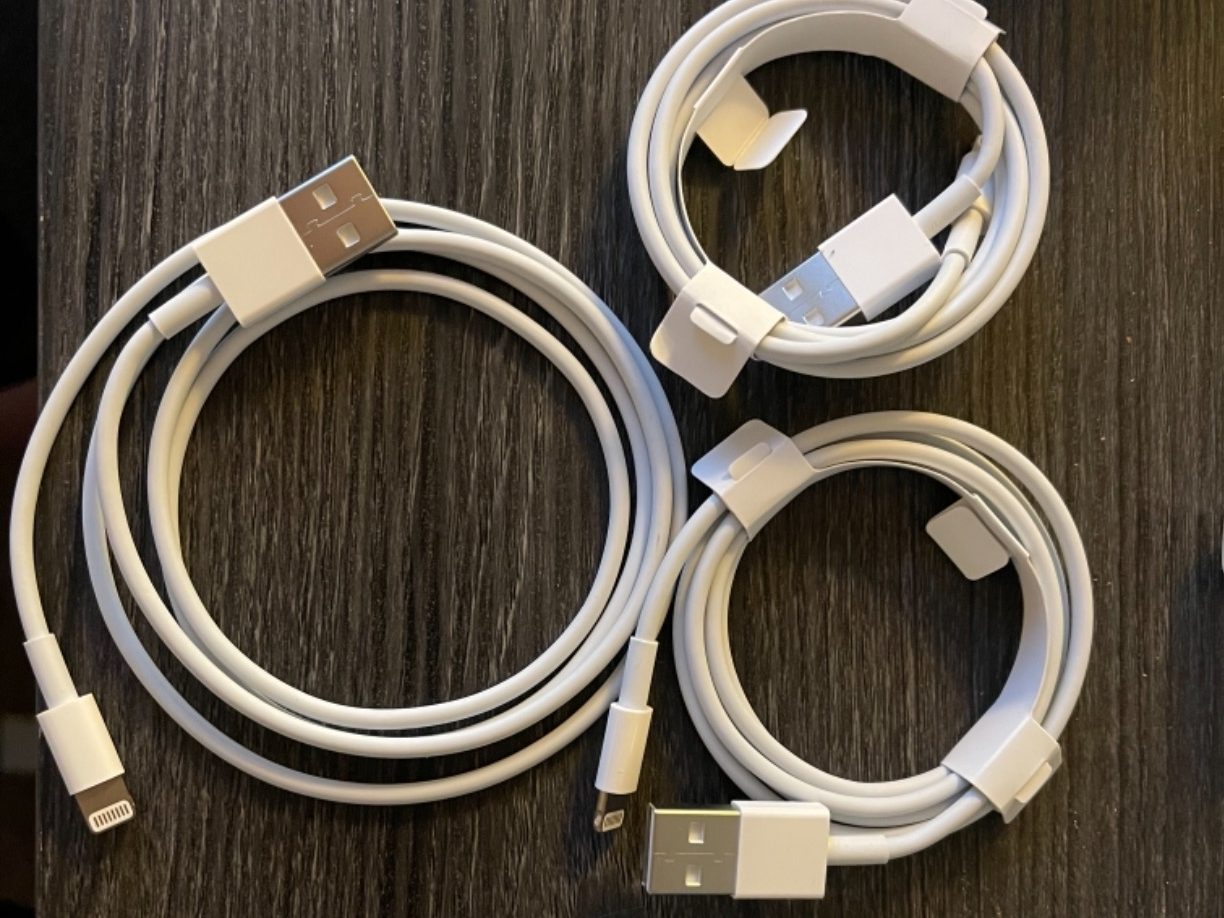
The behavioral response has been straightforward: buy in bulk. Multi-packs of four or six cables have become standard purchases, not because users need that many simultaneously, but because they need coverage across locations and an expectation of future failure.
This isn’t planned obsolescence in the traditional sense. Cables endure physical stress that most accessories don’t. They bend, twist, get yanked from ports, spend time coiled in bags with keys and coins. The thin wire inside the flexible housing was never built for infinite cycles.
SIMILAR
iPhone and MacBook users are compensating for a port problem Apple created
iPhone users are eliminating the tangled cable from every car charging session
iPhone users are transforming nightstands into silent charging infrastructure
What’s changed is user awareness of the pattern. People have stopped treating cables as durable goods and started treating them as consumables, somewhere between batteries and printer paper. The question isn’t “Will this cable last?” but “How many do I need to avoid ever searching for one?”
Certification matters here more than in most accessory categories. Apple’s MFi program ensures compatibility across iOS updates, preventing the maddening scenario where a cable worked fine yesterday but triggers warnings today. Users have learned this lesson through experience.
The economics support the bulk approach. Previously listed at $14.99, current listings for four-pack configurations hover around $11.99—less than three dollars per cable for MFi-certified variants that match Apple’s own specifications.
The real cost isn’t monetary. It’s the mental overhead of managing a small, essential piece of infrastructure that refuses to stay reliable.
"Note: Readers like you help support The Apple Tech. We may receive a affiliate commission when you purchase products mentioned on our website."