


Apple Pencil transformed how people use iPads, but it also created an awkward dependency. The experience of writing or drawing on an iPad without one feels incomplete—possible, but clumsy. With it, the iPad becomes a notebook, sketchpad, or markup tool that integrates seamlessly into workflows. The problem is that Apple Pencil isn’t cheap, and losing one or letting it die uncharged means the iPad reverts to a less capable version of itself.
That dependency opened a market for alternatives. Third-party styluses existed before, but they were mostly dismissed as inferior substitutes. They lagged, skipped, or required awkward setup processes. Users tolerated them out of necessity, not preference. What’s shifted is the quality gap narrowing. Newer styluses charge faster, respond with minimal latency, and support pressure sensitivity and palm rejection—features that were once exclusive to Apple’s own hardware.
The adoption pattern is interesting. Most people still start with an Apple Pencil if they buy one at all. It’s the default assumption. But when it breaks, gets lost, or runs out of battery at an inconvenient time, the replacement decision becomes less automatic. Spending another hundred-plus dollars on a stylus—for a device that already cost several hundred—feels excessive, especially when alternatives exist at a fraction of the price.
Fast charging changes the calculation more than people expect. The original Apple Pencil’s charging method—plugging it awkwardly into the iPad’s Lightning port—was functional but inelegant. The second-generation model improved this with magnetic wireless charging, but the battery life remained something users had to manage consciously. A stylus that charges significantly faster reduces the penalty for forgetting to charge it overnight. Ten minutes becomes enough for hours of use, which matters when you’re mid-project and realize the battery is dead.
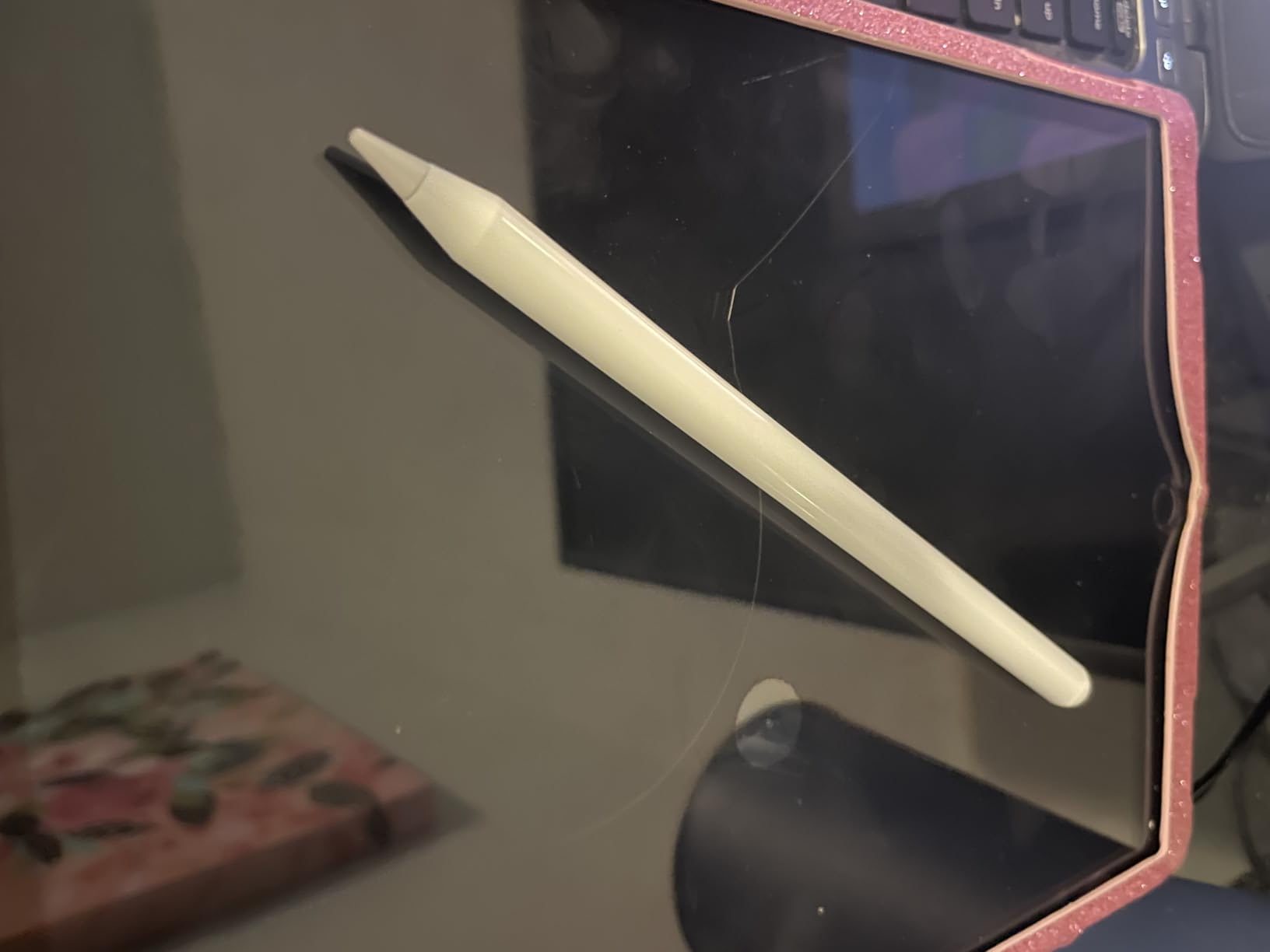
Compatibility complicates things. Apple Pencil works across a range of iPad models, but not all of them, and not all features work on all models. Tracking which generation of Pencil works with which iPad requires more attention than most people want to give. Third-party styluses often cast a wider compatibility net, working across more iPad generations without the same firmware and hardware restrictions. That flexibility appeals to people who upgrade iPads irregularly or use older models that still function fine.
There’s also a psychological element. Losing an Apple Pencil feels worse than losing a third-party stylus, even if the functional loss is identical. The price difference means the emotional response is different. A $100+ accessory getting misplaced or damaged carries more weight than a $20 alternative. For some users, that alone justifies switching—not because the third-party option is better, but because it’s less stressful to use and replace.
Apple’s ecosystem benefits from accessories that feel integral to the experience, but that integration comes with costs—literal and psychological. The iPad with Apple Pencil is a cohesive system. The iPad with a third-party stylus is a pragmatic compromise. Both work. The question is whether the difference is worth the price gap, and increasingly, people are deciding it isn’t.
The current listing shows $12.99 at the time of publishing. View current listing. Price at time of publishing. Subject to change.
"Note: Readers like you help support The Apple Tech. We may receive a affiliate commission when you purchase products mentioned on our website."






