
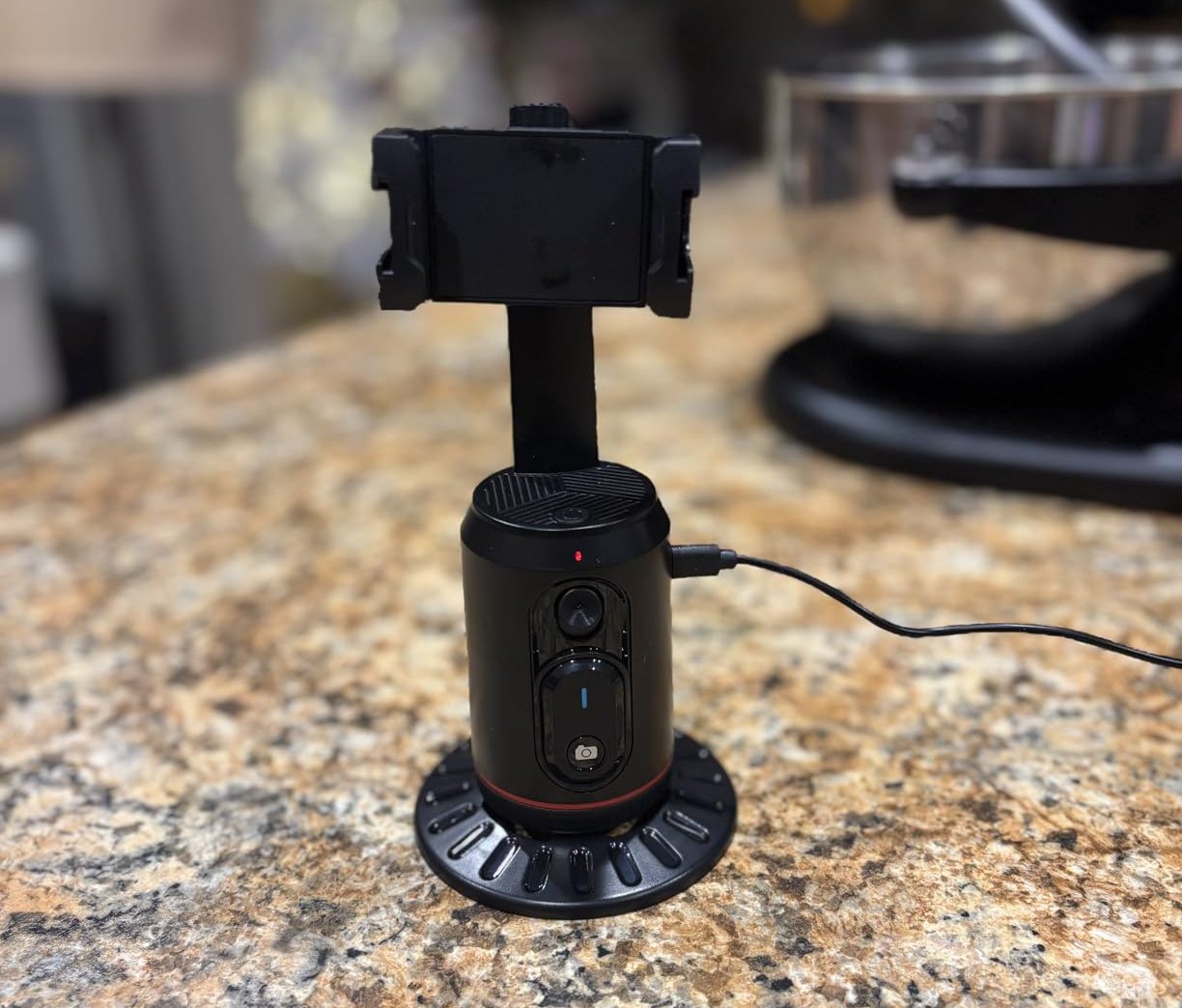
The impulse to check your own face while recording video predates smartphones, but the iPhone made it unavoidable. Front-facing cameras turned self-documentation into a reflex, and the flip to rear cameras for higher quality introduced a new problem: you can’t see what you look like while filming yourself. For years, people worked around this with mirrors, secondary devices, or guesswork. Then someone built a screen that mounts behind the camera and shows you exactly what the lens sees in real time.
This isn’t about vanity, though it’s easy to dismiss it that way. It’s about the cognitive load of performing for a camera you can’t monitor. YouTubers and TikTok creators talk about “feeling” whether they’re in frame, whether the lighting shifted, whether their expression matches the tone they’re going for. That feeling is unreliable. The secondary screen removes the guesswork, but it also introduces a new kind of self-consciousness. Now you’re watching yourself perform while you perform, which changes the performance itself.
The built-in speaker serves a different function. Most creators use wireless earbuds to monitor audio, but those create a sealed environment—you hear the recording, not the room. The speaker plays back audio in real time without requiring anything in your ears, which means you can hear both the captured sound and the ambient noise around you. It’s a subtle shift, but it changes how people move through space while filming. They’re more aware of background noise, more attuned to interruptions, more present in the physical environment instead of isolated inside the recording.
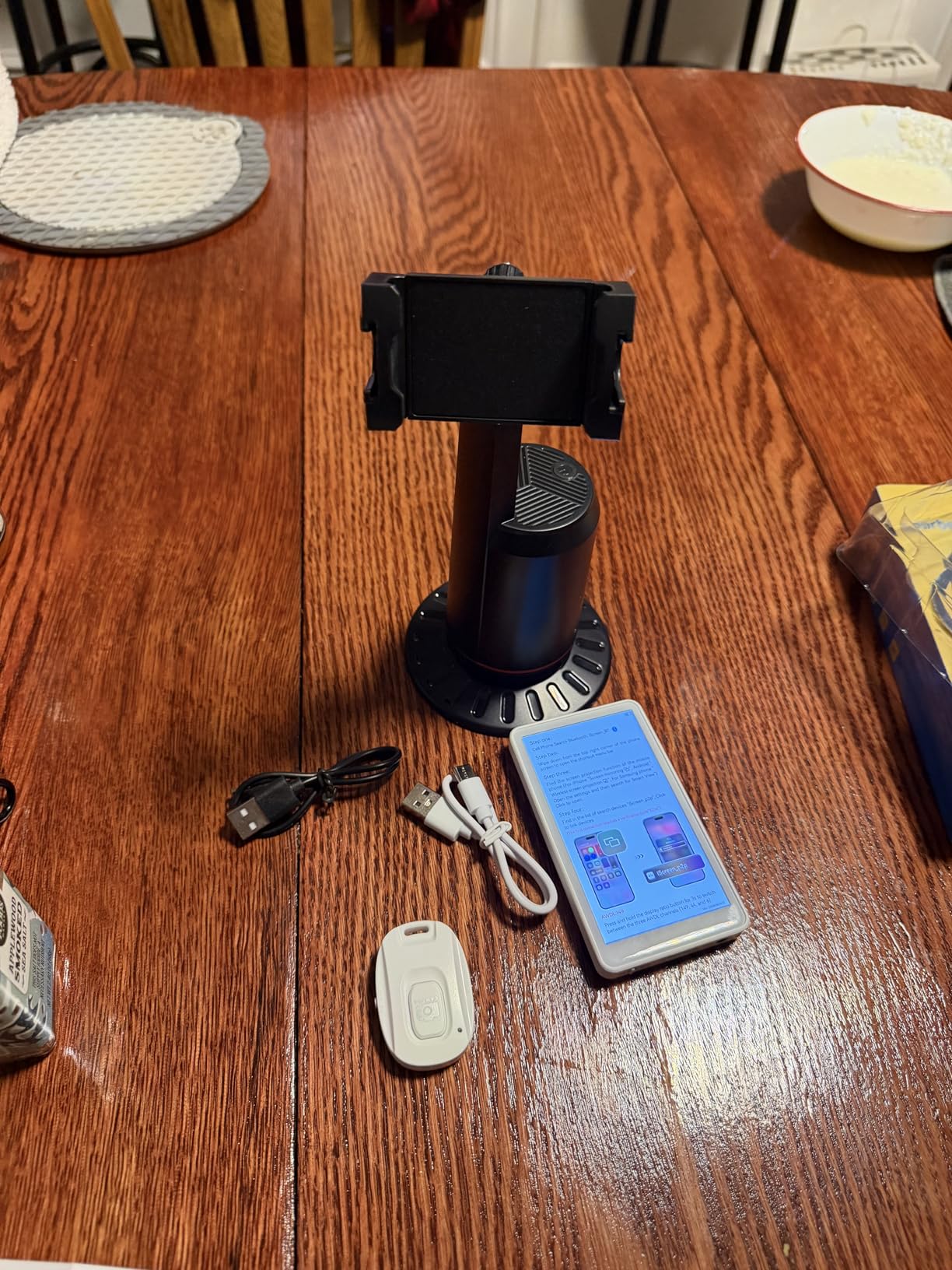
The face-tracking feature turned the tripod into something that follows you rather than something you position yourself around. That sounds convenient, and it is, but it also alters the spatial relationship between creator and camera. Instead of finding your mark and staying there, you can move freely and trust the camera to adjust. That freedom comes with a tradeoff: you lose the discipline of fixed framing. Some shots benefit from movement, others fall apart without compositional stability. The technology doesn’t make that decision for you—it just makes both options equally easy.
The disconnect between what the camera sees and what the creator imagines has always existed, but now there’s a device designed specifically to close that gap. The four-point-eight-inch screen isn’t large, but it’s large enough to catch errors in real time—a stray hair, an unflattering angle, a moment where you’re talking to the wrong part of the lens. Those corrections happen during the take instead of in post-production, which saves time but also interrupts the flow of recording. There’s no clean answer to whether that’s better. It depends on how much spontaneity you’re willing to sacrifice for precision.
iPhone users who film in 4K at sixty frames per second generate massive file sizes, and the secondary monitor doesn’t reduce that burden—it just makes the capture process more deliberate. The files still need to be transferred, edited, compressed, and uploaded. The screen doesn’t solve the backend problems of content creation, it only addresses the front-end experience of recording. That’s a meaningful improvement, but it’s also a reminder that video production remains fragmented across multiple tools and workflows. The monitor is one piece of a larger system that still requires constant attention.
Previously listed at one hundred dollars, current versions of these rear-facing creator monitors appear around fifty-seven dollars, a price point that sits between impulse purchase and considered investment. The cost reflects its niche function—it’s not for casual iPhone users, it’s for people who film themselves regularly enough that the self-monitoring becomes a recurring pain point. That audience is growing, but it’s still a subset of the broader iPhone ecosystem. The monitor doesn’t create content creators, it just removes one layer of friction for people already committed to the practice.
"Note: Readers like you help support The Apple Tech. We may receive a affiliate commission when you purchase products mentioned on our website."