
Privacy has always been a concern with smartphones, but most of the focus has been on software—encryption, passcodes, biometric locks. The physical dimension of privacy—who can see your screen from an angle—has received less attention until recently. Privacy screen protectors attempt to address this by narrowing the viewing angle. Anything beyond 30 to 40 degrees from center becomes progressively darker, making it difficult for someone seated next to you on a train or standing behind you in line to read your messages.
The technology is straightforward. Micro-louvers embedded in the glass redirect light, funneling it toward the user and away from side angles. It’s the same principle used in ATM screens and corporate laptops. For iPhone users who commute, travel frequently, or work in open offices, the appeal is immediate: the screen becomes readable only to the person holding the phone, turning a public device into a private one, at least visually.
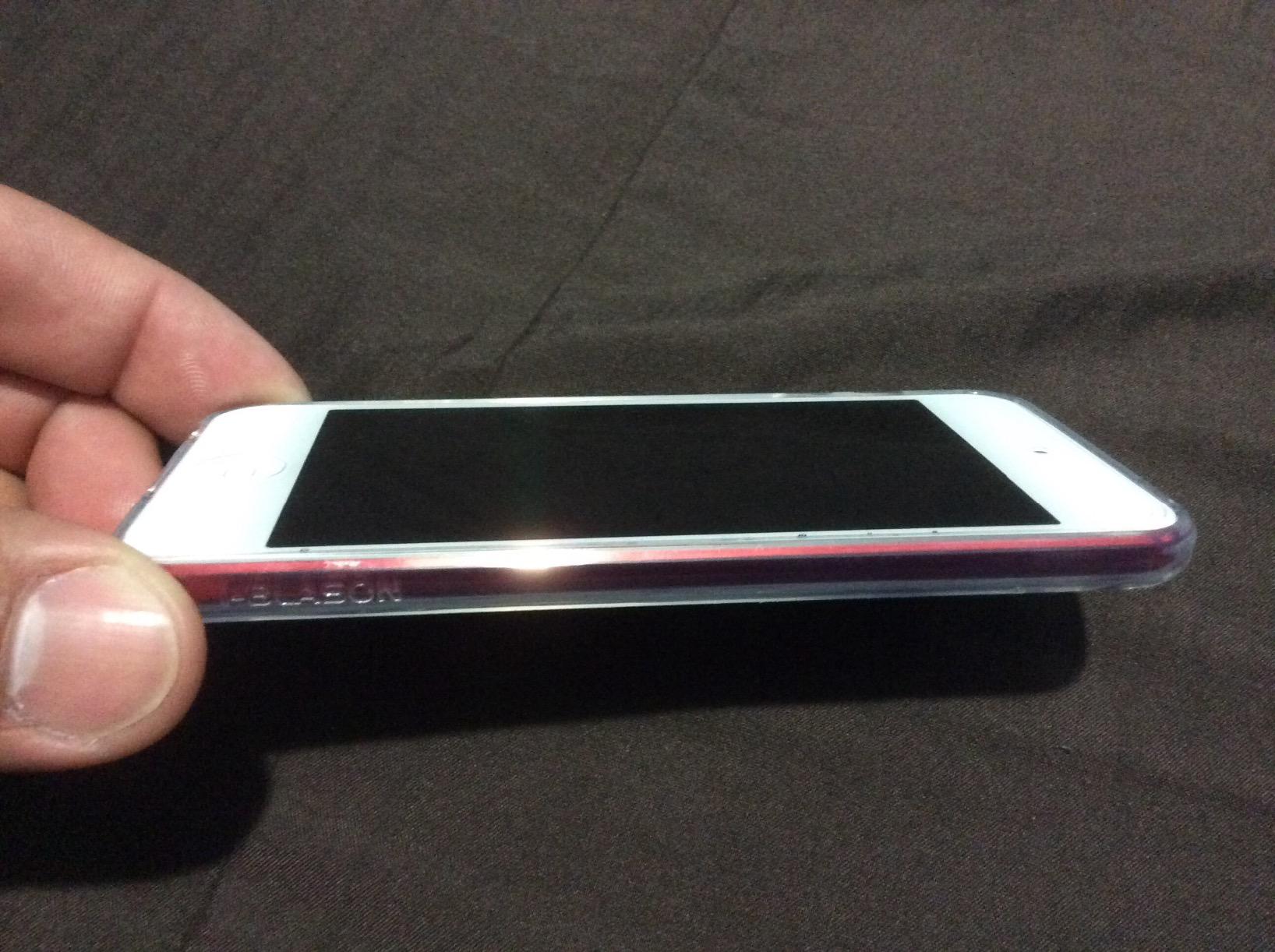
But the narrowed viewing angle is a constraint, not just a feature. Watching a video with someone else requires angling the phone awkwardly or disabling the privacy effect entirely, which isn’t possible without removing the protector. Sharing photos means either tilting the phone toward the other person’s sightline or accepting that they’ll see a darkened, washed-out version of the image. The protector enforces solitary use, which is fine when privacy is the goal but limiting when collaboration or sharing is the intent.
The dimming effect is more pronounced in bright environments. Indoors, under controlled lighting, the privacy screen is tolerable. Outdoors, in direct sunlight, the combined effect of the narrowed viewing angle and the reduced brightness makes the display harder to read. Users often compensate by cranking the brightness to maximum, which accelerates battery drain. The privacy comes at a cost, and the cost is measured in both visibility and power consumption.
SIMILAR
iPhone and MacBook users are compensating for a port problem Apple created
iPhone users are eliminating the tangled cable from every car charging session
iPhone users are transforming nightstands into silent charging infrastructure
Color accuracy also suffers. The micro-louvers introduce a subtle filter that shifts hues, particularly in the cooler tones. Photos and videos don’t look quite right. Whites take on a slightly grayish cast. Blues deepen. For casual browsing, the difference is minor. For anyone using the iPhone for photography, design work, or any task that depends on accurate color representation, the shift is noticeable and often unacceptable.
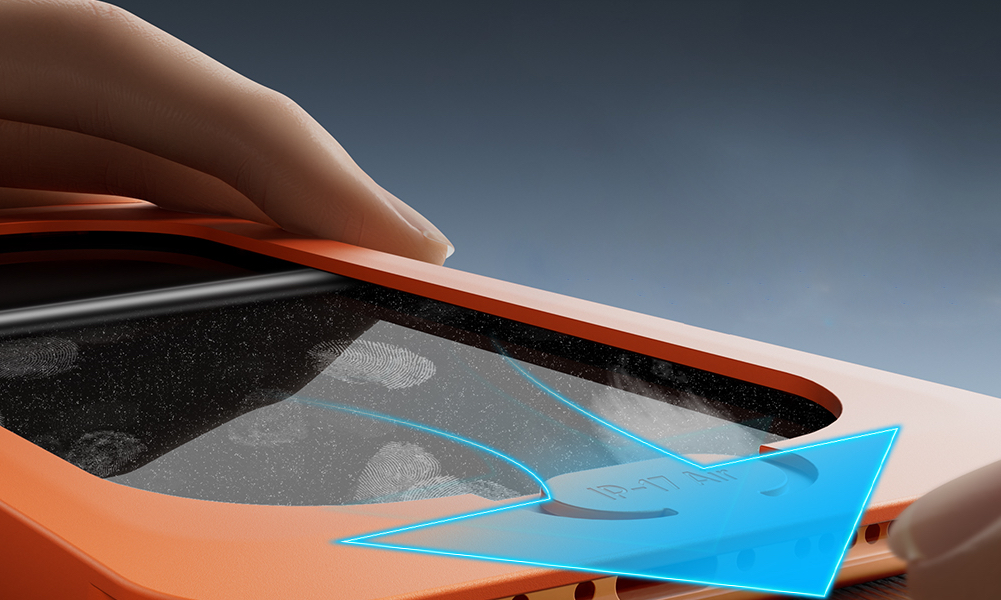
Auto-align installation is a practical improvement over older screen protectors that required manual placement. A guide tray ensures the protector lands in the correct position, reducing the chance of bubbles, misalignment, or dust trapped under the glass. But the installation process is still a one-shot event. If the protector lands wrong, peeling it off and trying again risks compromising the adhesive. Most users get it right on the first try, but the pressure to do so adds stress to what should be a simple process.
Previously listed at $19.98, current listings hover around $15.18, placing privacy screen protectors in the mid-tier of iPhone protection accessories. The pricing reflects the added complexity of the privacy feature compared to standard tempered glass, though the market is competitive enough that prices remain accessible.
The broader question is whether visual privacy is worth the trade-offs. For some users, the peace of mind of knowing their screen is unreadable to strangers justifies the dimmer display and altered colors. For others, the friction is too much, and they remove the protector after a week or two, deciding that the risk of someone glimpsing their screen is preferable to the daily annoyance of a compromised display. The decision isn’t universal, and it shifts depending on environment, routine, and how much time the user spends in public spaces.
"Note: Readers like you help support The Apple Tech. We may receive a affiliate commission when you purchase products mentioned on our website."