
As wireless earbuds have become the default for individual iPhone audio, situations requiring shared sound—gatherings, outdoor activities, group entertainment—have pushed demand for portable speakers that fill spaces rather than ears.
The iPhone and AirPods have become an inseparable pair for millions of users. The connection is seamless. The audio quality is reliable. The experience is intensely personal. You’re the only one who hears what’s playing, which is exactly the point. But this isolation creates a gap the moment you want to share audio with someone else.
You’re at the beach, or a park, or a backyard gathering. Someone suggests playing music. The iPhone has the playlist, the streaming service, the Bluetooth connection. What it doesn’t have is a way to project that audio outward so multiple people can hear it simultaneously. The phone’s built-in speaker is too quiet for outdoor spaces. AirPods are personal by design, but the moment more than one person wants to listen, the ecosystem offers no native solution for shared audio.
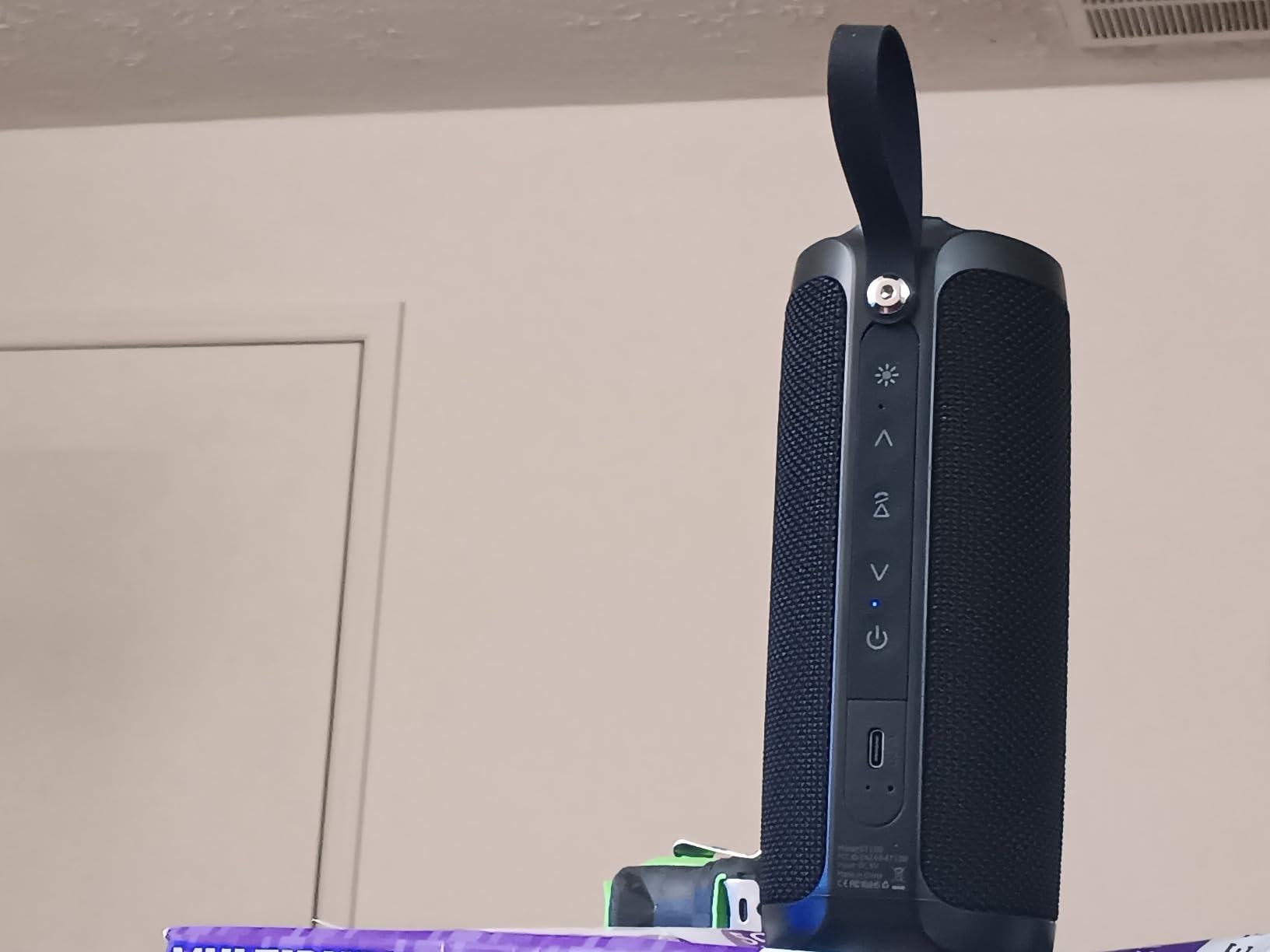
Portable Bluetooth speakers address this by functioning as external sound projectors for the iPhone. The connection is straightforward—pair once, and the speaker becomes a persistent option in the iPhone’s audio output menu. The speaker sits on a table, hangs from a bag, or rests on the ground, broadcasting sound in a radius that can cover a small group or fill a room. The iPhone remains the control interface, but the audio moves outward into shared space.
Water resistance matters because these speakers go where phones generally don’t—near pools, on boats, to beaches where sand and spray are unavoidable. The iPhone itself is water-resistant, but users still protect it carefully. The speaker is expected to be more rugged, to handle environments where getting wet is likely or inevitable. This durability allows the speaker to travel to places and situations where the iPhone acts as a remote controller from a safer distance.
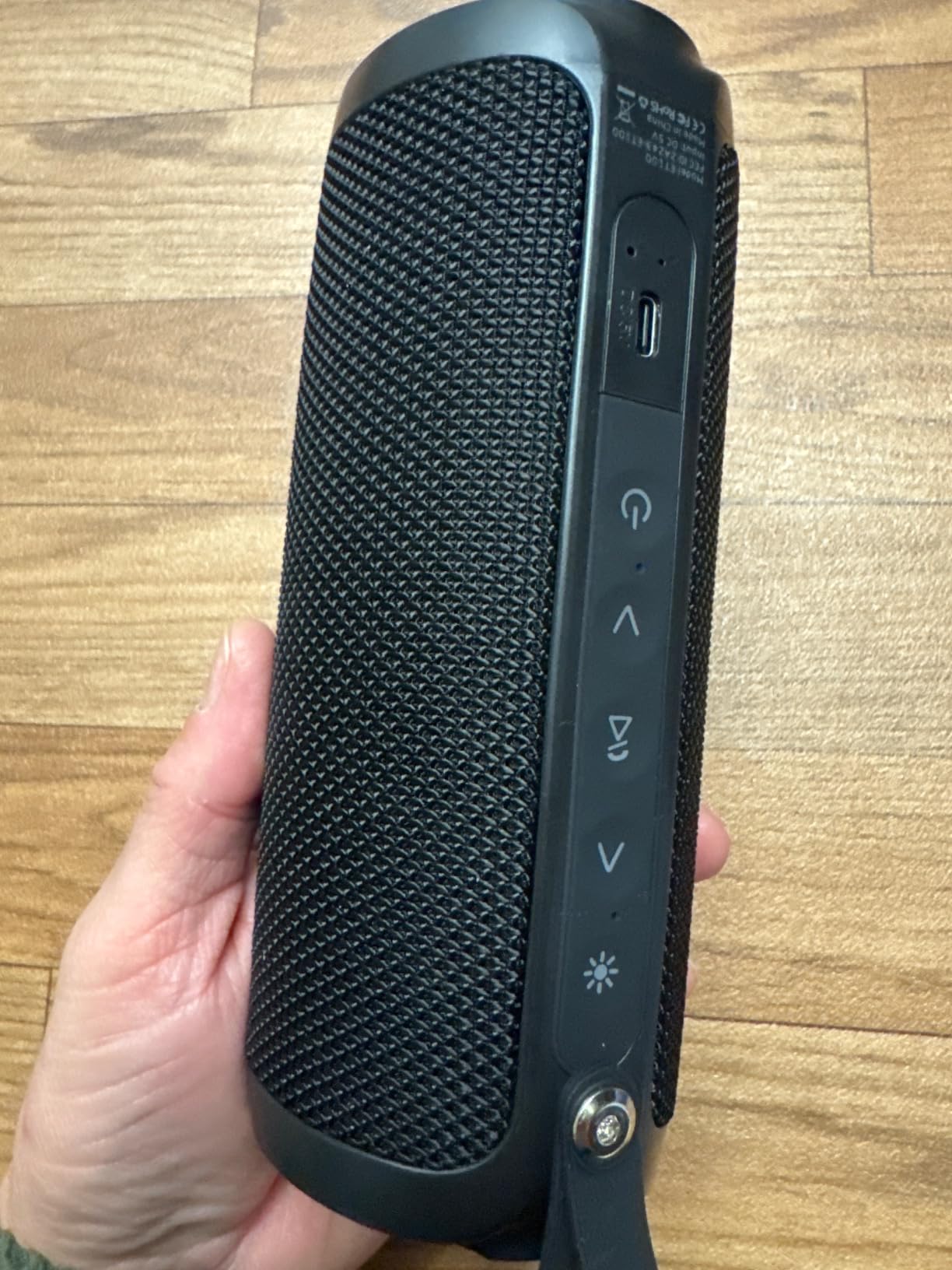
Battery life determines how long the shared audio experience lasts without interruption. Fifteen hours covers a full day outdoors, a long party, or an extended camping trip. The iPhone’s battery is already taxed by streaming music over Bluetooth, checking messages, taking photos, and navigating. Offloading audio playback to a speaker with its own power source reduces the drain on the phone, allowing it to last longer through events where charging isn’t convenient.
Dual pairing introduces a stereo configuration where two speakers work together, one handling left channel audio and the other handling right. This requires both speakers to be the same model and to support the pairing protocol, which not all Bluetooth speakers do. When it works, it creates a wider soundstage and a more immersive experience. The iPhone manages both speakers as a single output destination, simplifying control even as the audio setup becomes more complex.
The speaker’s physicality contrasts with AirPods’ invisibility. AirPods disappear into your ears and become almost unnoticeable after a few minutes. A portable speaker is conspicuous—it takes up space, it’s visible, it announces that music is playing. In some contexts, this presence is welcome. In others, it’s intrusive. The speaker doesn’t adapt to social norms the way headphones do. It projects sound regardless of whether everyone nearby wants to hear it.
Previously listed at $30, current listings hover around $15 for models with extended battery life and water resistance. The price point has made these speakers accessible as secondary audio devices—something you keep in a car, a bag, or a closet for situations where the iPhone’s personal audio ecosystem needs to expand into shared space. The speaker doesn’t replace AirPods. It addresses the moments when personal listening gives way to communal sound, and the iPhone needs an external voice.
"Note: Readers like you help support The Apple Tech. We may receive a affiliate commission when you purchase products mentioned on our website."