A shift is happening in how some iPhone users approach personal audio. For years, the standard model was in-ear buds that seal against the ear canal, blocking external sound and creating an isolated listening experience. AirPods popularized this design, and it became the default. But a growing number of users are moving toward open-ear alternatives that allow ambient sound to remain audible while audio plays.
This isn’t about sound quality. It’s about situational awareness. In-ear designs are effective for immersive listening, but they’re also isolating in ways that feel increasingly problematic. Users report discomfort with being unable to hear traffic while walking, missing doorbells at home, or feeling disconnected from their environment during workouts. The isolation that was once a feature now feels like a limitation.
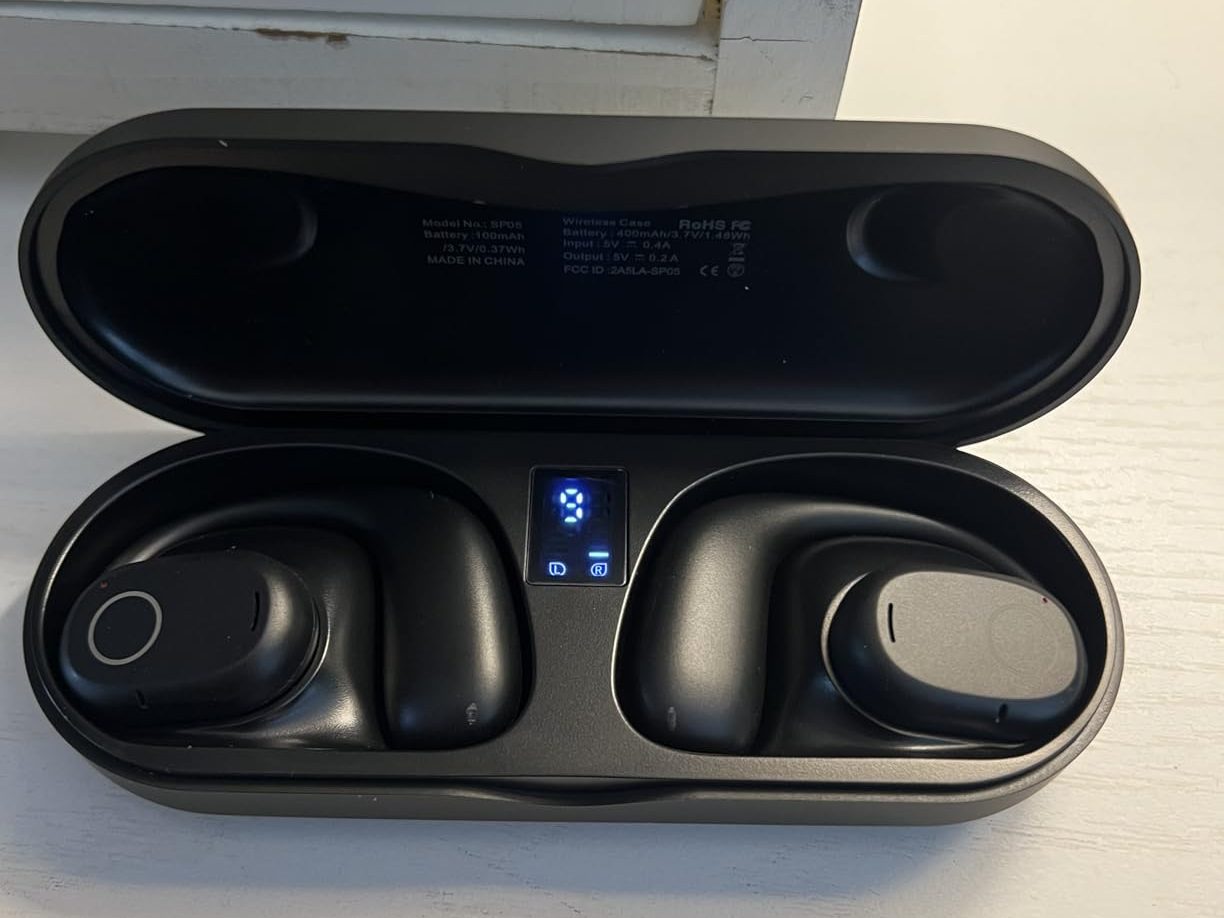
Open-ear designs address this by sitting outside the ear canal or using bone conduction to transmit sound without blocking ambient noise. The audio experience is less immersive, but the trade-off is maintaining connection to the surrounding environment. For many users, especially those who use their iPhone for audio during commutes or exercise, this trade-off is becoming preferable.
This reflects a broader reconsideration of how personal technology should mediate the world. The assumption for years was that better technology meant more immersion, more isolation, more control over the sensory environment. But that assumption is being questioned by users who feel that constant isolation creates its own problems. They want audio without disconnection.
SIMILAR
Why iPhone users are carrying standalone noise machines instead of relying on sleep apps
Apple Watch charging became a bedside ritual, here's why the placement matters more than expected
iPhone users are quietly giving up the cable and most dont realize why it happened so gradually over time
There’s also a safety dimension. Walking or cycling with sealed earbuds creates genuine risk. Users can’t hear approaching vehicles, warning shouts, or environmental cues that would normally trigger caution. Open-ear designs reduce this risk while still providing audio functionality. The shift isn’t purely aesthetic or comfort-driven. It’s also pragmatic.
What’s notable is that this behavior exists outside the Apple ecosystem’s main product line. Apple doesn’t make open-ear audio devices. Users seeking this functionality must look elsewhere, which means stepping outside the tightly integrated experience that AirPods provide. They lose automatic pairing, seamless device switching, and the polished iOS integration. But they gain something Apple’s current design philosophy doesn’t prioritize: persistent awareness of the physical world.
The choice reveals a tension in how the iPhone ecosystem is designed. Apple’s audio products assume that immersion is always desirable, that blocking out the world improves the listening experience. But a segment of users is deciding that immersion comes at a cost they’re no longer willing to pay. They want their iPhone to provide audio, but they don’t want that audio to wall them off from their surroundings.
Previously listed near $67, current listings of some open-ear wireless audio devices designed for iPhone compatibility now appear closer to $20.
"Note: Readers like you help support The Apple Tech. We may receive a affiliate commission when you purchase products mentioned on our website."