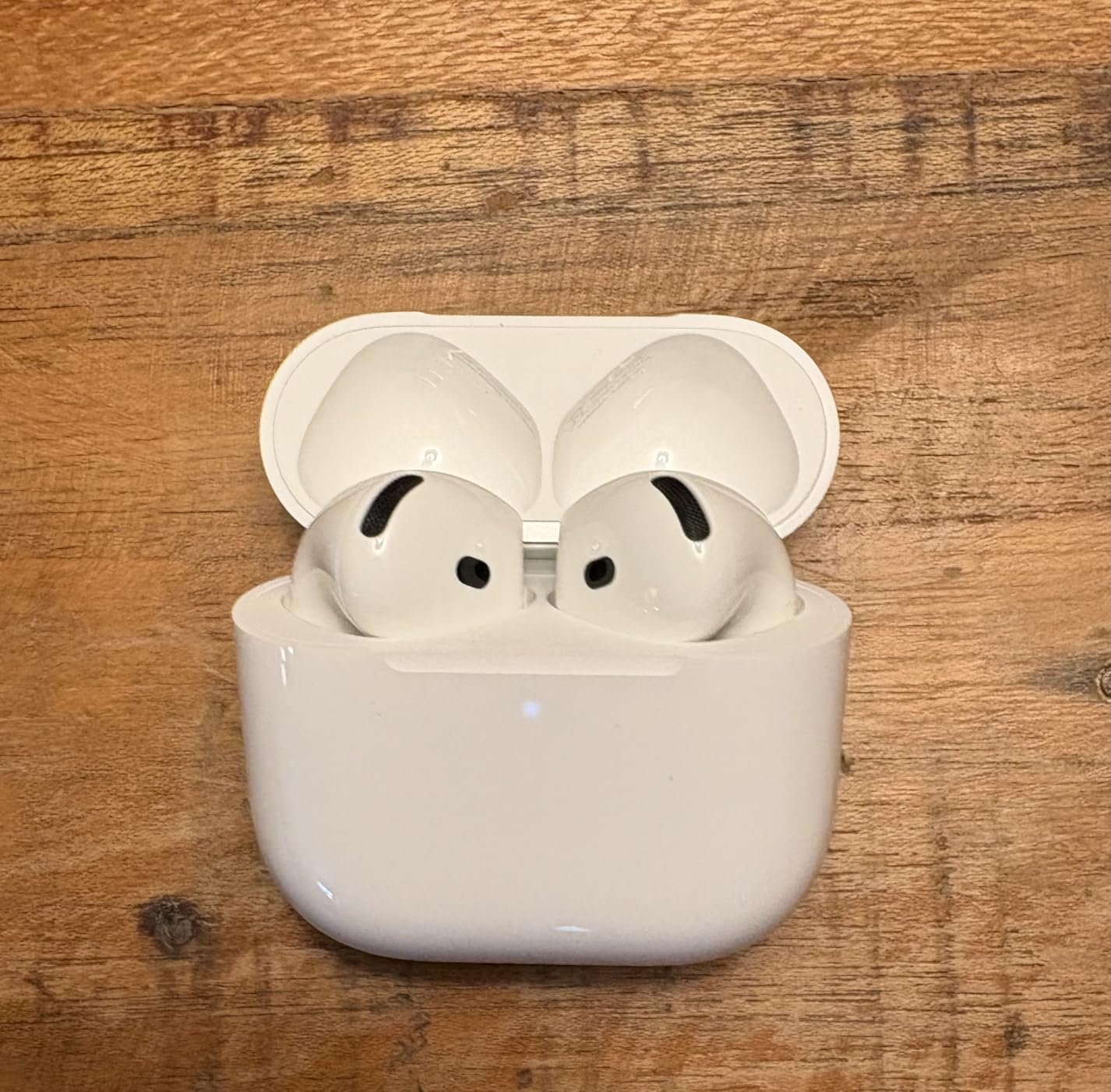
It’s been years since Apple removed the headphone jack, yet conversations about iPhone audio still carry a faint sense of loss. The shift to wireless wasn’t just about technology. It was about changing a physical habit that had existed for decades. Plugging in headphones was tactile, immediate, and required no battery awareness. Wireless audio introduced convenience, but it also introduced new dependencies.
AirPods and similar devices have become the default for most iPhone users. They’re small, functional, and integrate seamlessly with iOS. Pairing happens automatically. Switching between devices is mostly smooth. Battery life has improved across generations. For practical purposes, the transition is complete. Yet the experience still feels slightly provisional, as if wireless is a workaround rather than the natural state.
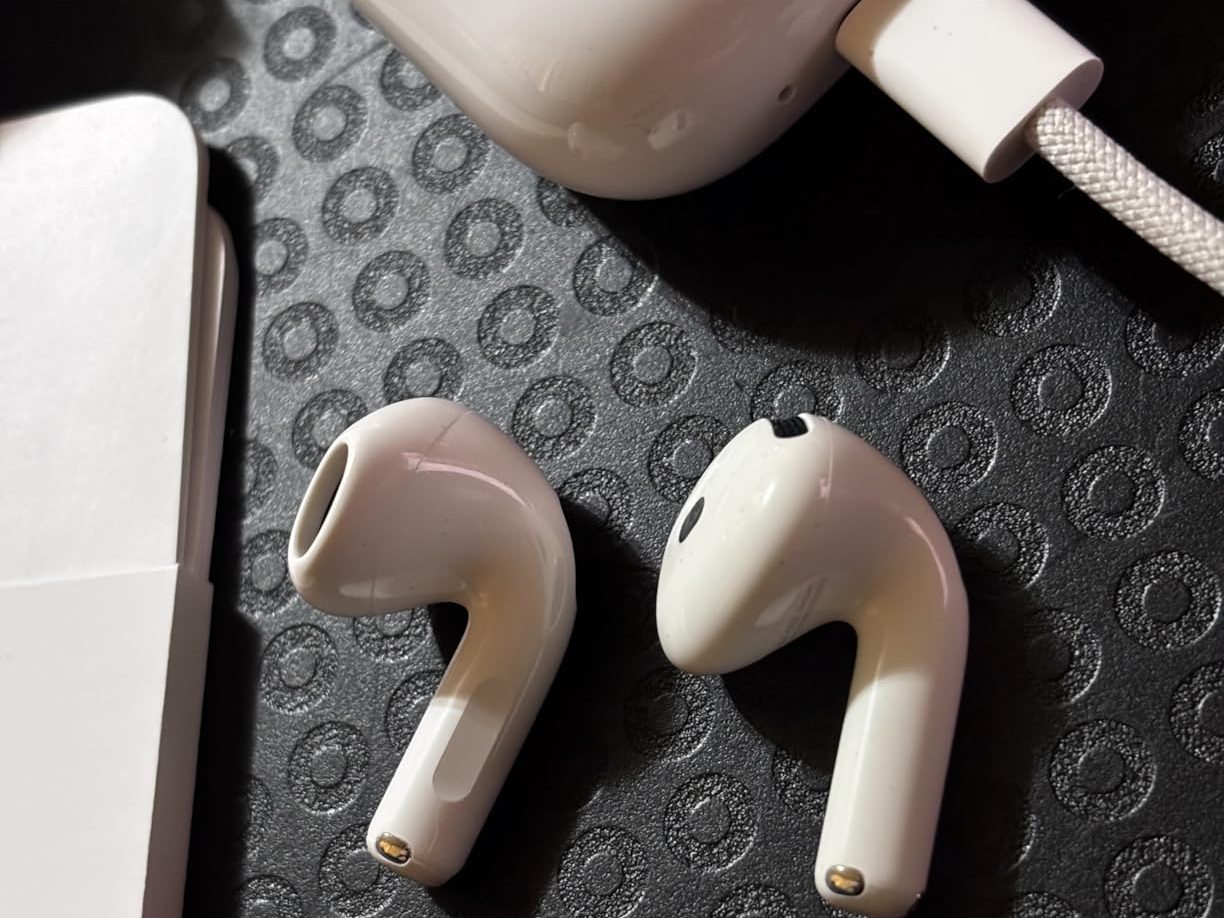
Part of this is rooted in the small frictions that wired audio never had. Wireless earbuds require charging. They can be lost individually. Bluetooth connections occasionally fail in ways that feel arbitrary. Audio latency exists, even if it’s barely perceptible. These aren’t dealbreakers, but they’re persistent reminders that wireless introduces complexity that didn’t exist before.
There’s also the question of cost. Wired headphones could be replaced cheaply. Wireless options, especially those designed to work well with iPhone, carry higher price tags. Losing one AirPod is expensive. Breaking a charging case is frustrating. The stakes of ownership have increased in ways that make the entire experience feel slightly more precarious.
SIMILAR
Why iPhone users are carrying standalone noise machines instead of relying on sleep apps
Apple Watch charging became a bedside ritual, here's why the placement matters more than expected
iPhone users are quietly giving up the cable and most dont realize why it happened so gradually over time
What’s interesting is how thoroughly behavior has adapted despite these frictions. Most iPhone users no longer carry wired headphones as a backup. The Lightning-to-headphone-jack adapter that once felt essential now sits unused in drawers. The shift is behaviorally complete, even if the emotional adjustment lags behind.
This reflects a broader pattern in how Apple ecosystem changes are absorbed. Initial resistance gives way to habituation. New workflows replace old ones. Friction points are tolerated because the alternative would require opting out of the ecosystem entirely, which feels increasingly impractical.
The conversation around iPhone audio has quieted not because wireless is perfect, but because it’s become the only realistic option. The memory of wired simplicity persists, but it no longer shapes daily behavior.
Previously listed at $129, current listings on Apple’s latest wireless earbuds sits near $100
"Note: Readers like you help support The Apple Tech. We may receive a affiliate commission when you purchase products mentioned on our website."