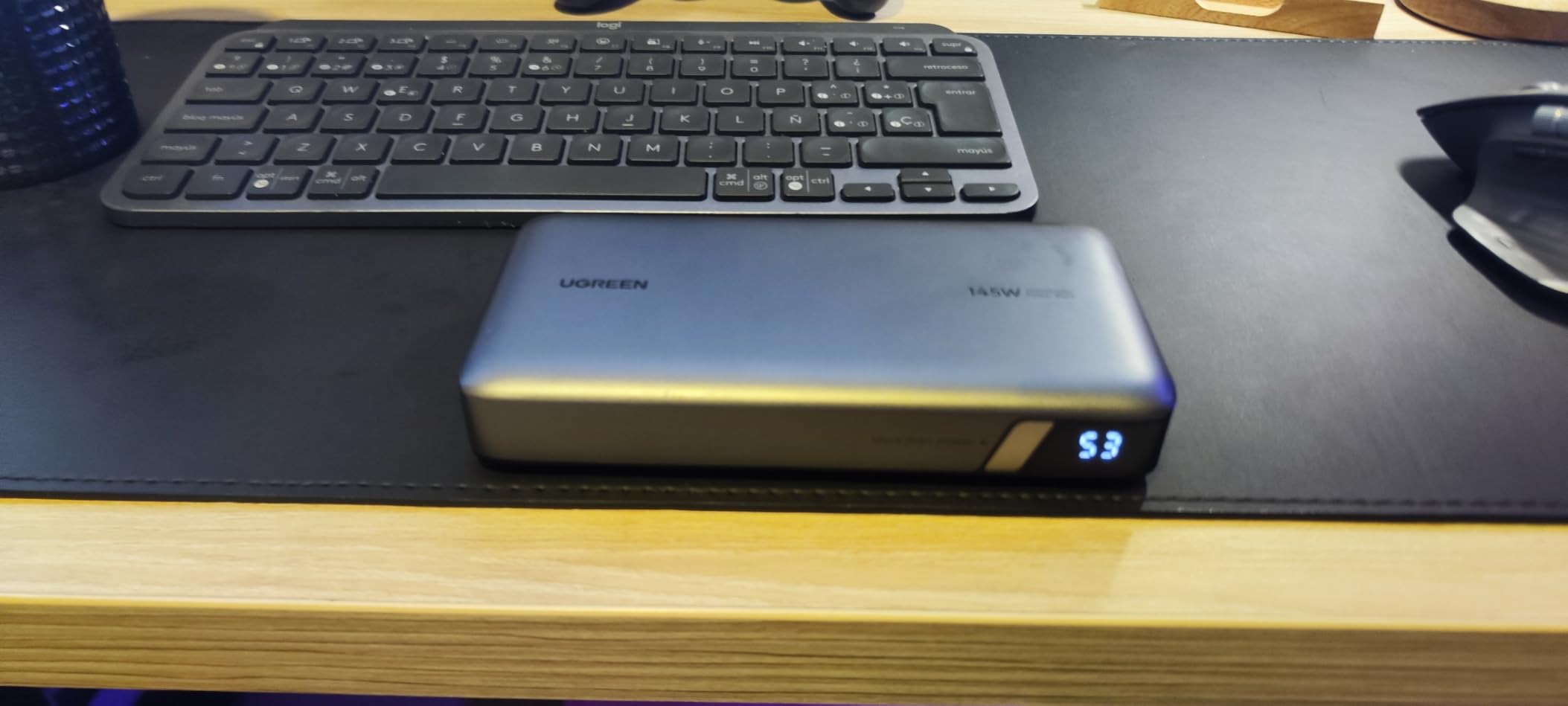
The MacBook has always promised portability, but portability has traditionally meant “light enough to carry between places with outlets.” Coffee shops, libraries, airport lounges—these spaces all offer power, even if finding an available outlet requires strategic seating choices. High-capacity battery packs capable of charging a MacBook shift the premise: work becomes possible anywhere, outlet or not.
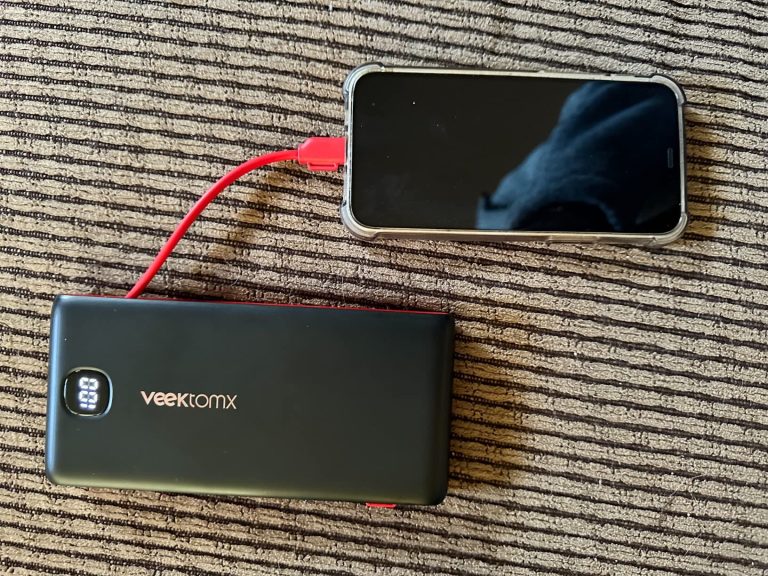
A 145-watt output is what makes this viable for MacBook Pro users. The machine can charge at full speed while running processor-intensive tasks—video editing, code compilation, design rendering. This is meaningful for people who work outdoors, on film sets, in transit, or in any environment where power access is unpredictable. The 25,000mAh capacity translates to roughly one full MacBook Pro charge, sometimes more depending on the model and battery health.
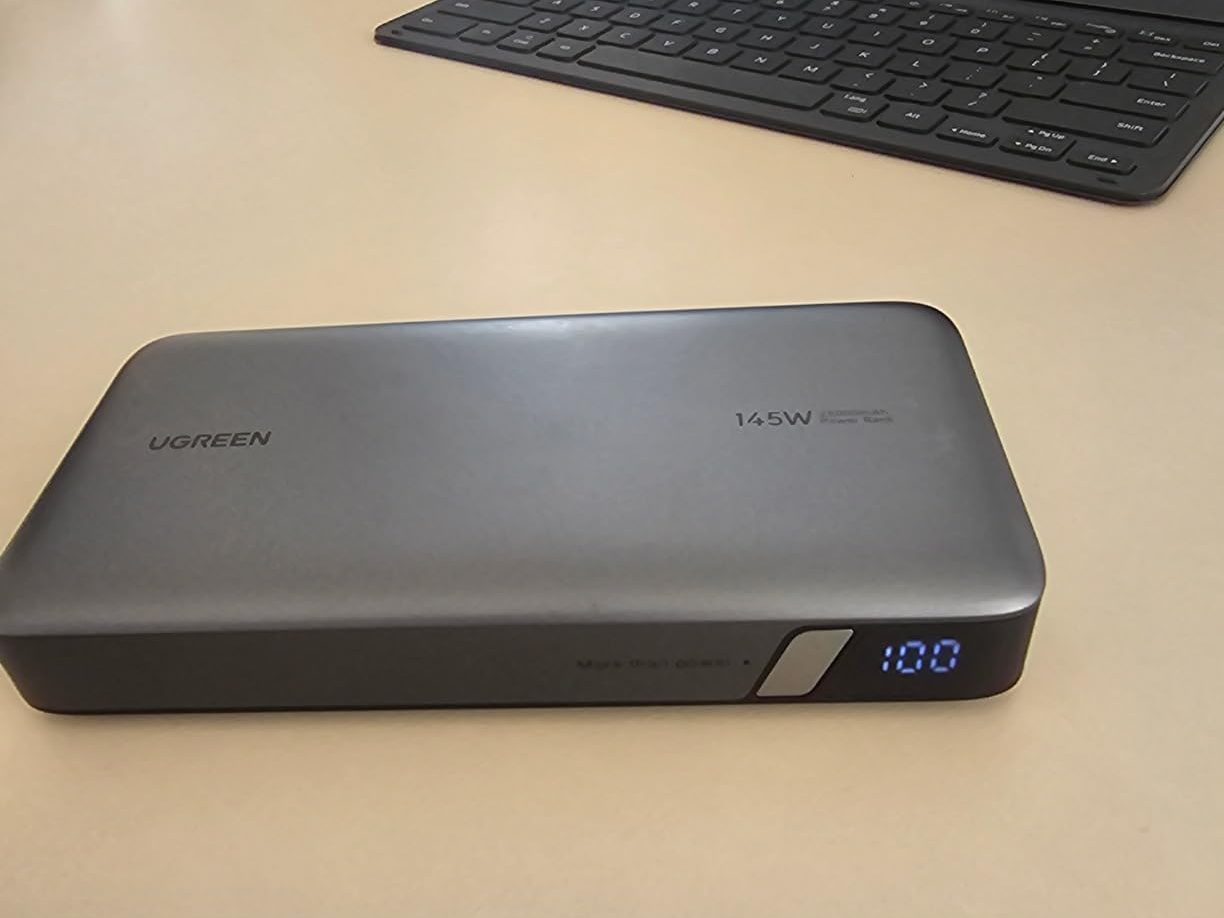
But the pack itself is substantial. It’s heavier than a paperback, denser than a phone charger, and occupies real space in a bag. For someone already carrying a MacBook, a charger, and a day’s worth of other essentials, adding a battery pack shifts the load noticeably. The bag gets heavier. Packing requires more thought. The promise of working anywhere comes with the physical cost of carrying the infrastructure to enable it.
The three USB-C ports address a common scenario: charging the MacBook while also topping off an iPhone and iPad. In theory, this turns the pack into a universal power source for the entire Apple ecosystem. In practice, most users charge one device at a time. The multi-port capability is useful during long flights or multi-day trips, but on a typical workday, the extra ports often sit unused.
Recharging the pack itself takes time. Even with a high-wattage wall adapter, filling a 25,000mAh battery requires several hours. This means the pack needs to be charged overnight, just like the MacBook it’s meant to support. It becomes another item in the nightly charging routine, another device competing for outlet space, another thing to check before leaving in the morning.
The psychological shift is subtle but real. Carrying a laptop-class battery pack changes the calculus of where work can happen. A park bench becomes viable. A long train ride becomes productive. A multi-hour wait in a place without outlets stops being downtime and starts being work time. But this flexibility also means work can expand into spaces and times that were previously off-limits, blurring boundaries that some people prefer to keep intact.
Previously listed at $99.99, current listings hover around $65.98, positioning high-capacity laptop chargers in the premium tier of portable power solutions. The pricing reflects the engineering complexity of delivering laptop-class wattage in a portable form factor, as well as the relatively niche use case compared to phone-only battery packs.
The broader question is whether the freedom to work anywhere is worth the weight of carrying the tools to enable it. For some MacBook users, the answer is yes—the pack unlocks new workflows and eliminates the anxiety of hunting for outlets. For others, the added bulk and the mental overhead of managing another device outweigh the benefits. The choice isn’t universal, and it shifts depending on how often the user actually works in spaces without power. The pack offers optionality, but optionality has a carrying cost, measured in grams and in the constant awareness that untethered work requires its own tether.
"Note: Readers like you help support The Apple Tech. We may receive a affiliate commission when you purchase products mentioned on our website."