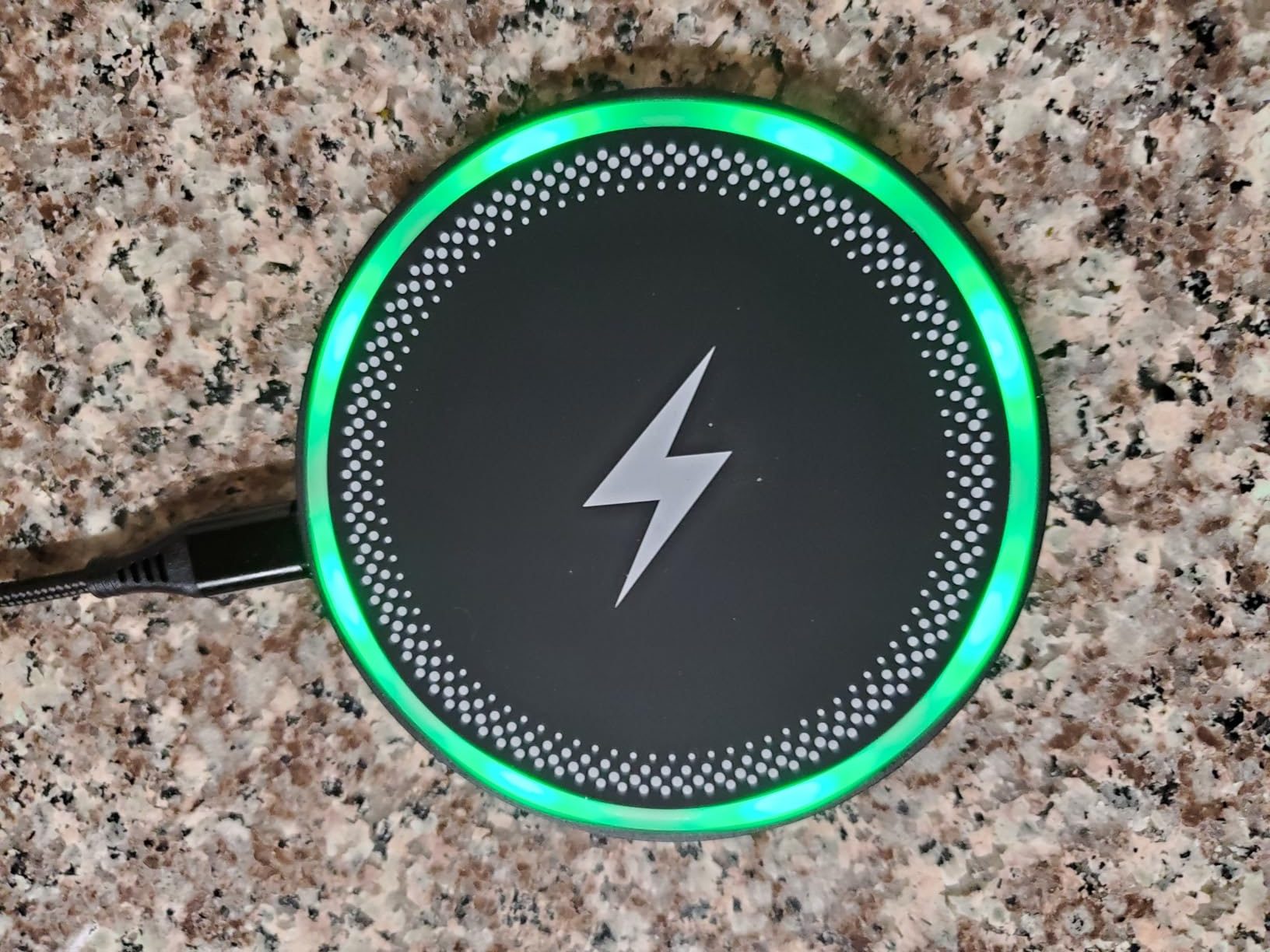
The charger needed to be agnostic, because the phones in the house weren’t all the same. In single-platform households, charging infrastructure can be specific and optimized. MagSafe for iPhones, proprietary fast charging for Samsung Galaxy devices. But in mixed-platform households—partners with different phones, parents and teenagers using different ecosystems—the charging setup has to accommodate everything.
This is where basic Qi wireless charging pads persist, even as more advanced solutions proliferate. They’re not as fast as MagSafe or Samsung’s 15W fast wireless charging. They don’t have magnetic alignment or flashy features. But they work with everything, and that universality matters when the people in the household are using different devices.
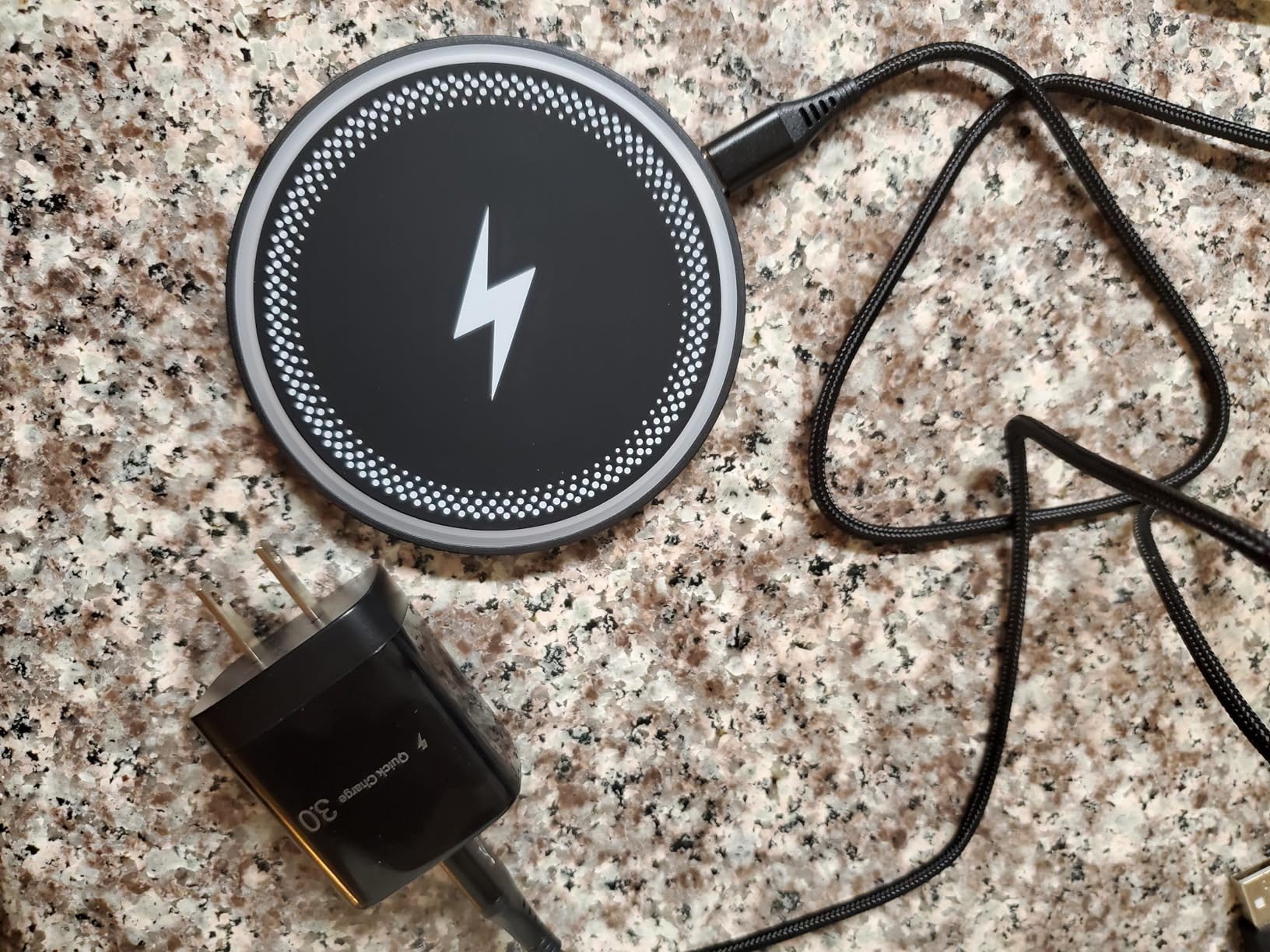
The behavioral shift is subtle. Instead of each person having their own charger, optimized for their device, the household invests in a few universal pads placed in common areas—kitchen counter, living room end table, entryway console. Anyone can drop their phone there and it charges, regardless of brand.
This creates a different kind of charging culture. It’s less personal, more communal. The charger isn’t “yours,” it’s just “there.” And because it’s universal, there’s less friction when someone forgets their cable or their specific fast charger. The fallback option is always available.
But there’s a cost in speed and efficiency. A 15W Qi pad charges more slowly than a 20W wired connection. For someone used to plugging in their iPhone with a USB-C cable and getting 50% charge in 30 minutes, wireless charging feels sluggish. The trade-off is convenience versus speed, and in mixed households, convenience often wins.
What’s notable is how this affects device placement. Wireless pads encourage leaving phones in fixed locations—on the nightstand, on the desk, on the kitchen counter. The phone becomes stationary more often, which changes how people interact with it. You walk to the phone to check something, rather than carrying it with you constantly.
Previously listed at $19.99, current listings hover around $15.99. The low price point reflects market saturation, but it also reflects the category’s role: these aren’t premium accessories. They’re the utilitarian baseline, the charging solution that works when nothing else does.
"Note: Readers like you help support The Apple Tech. We may receive a affiliate commission when you purchase products mentioned on our website."