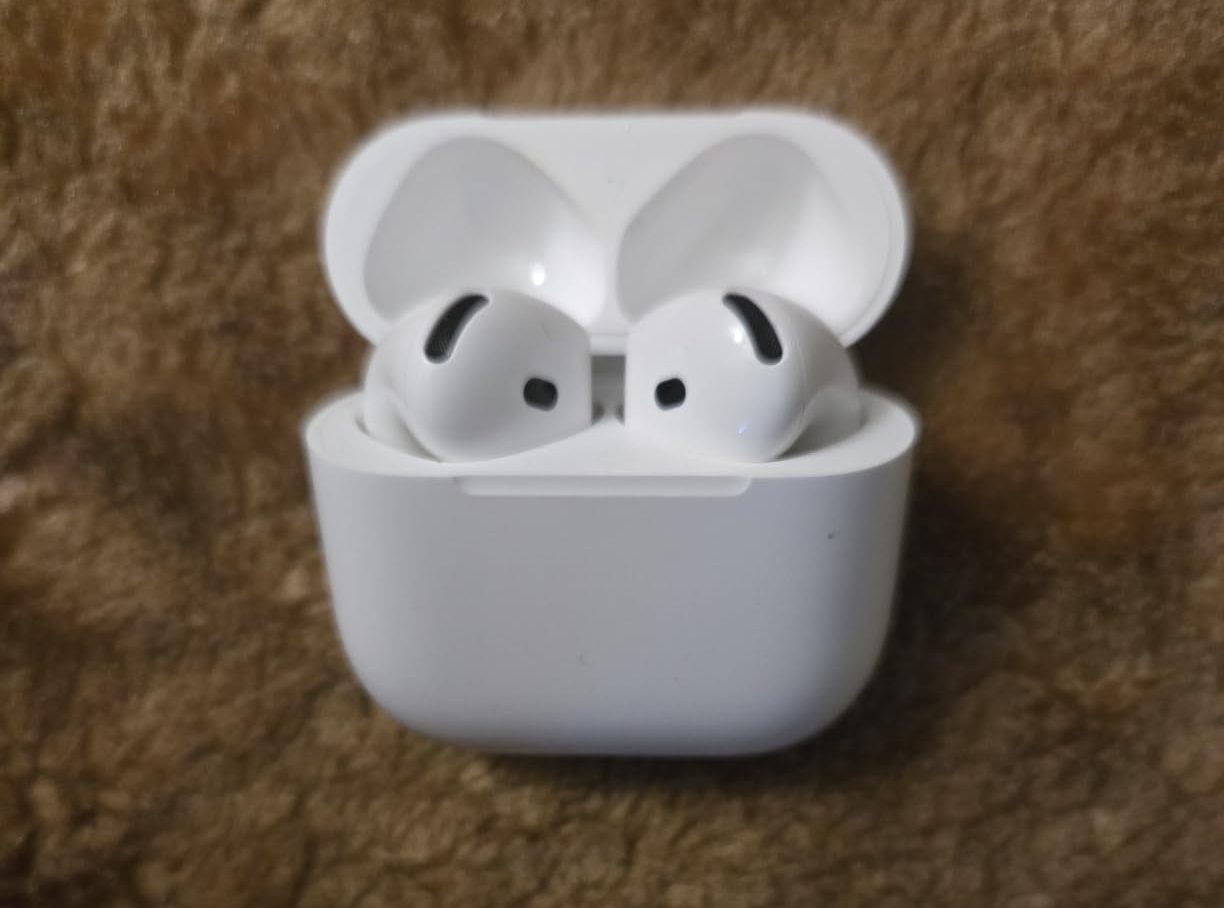
A pattern is emerging around how long wireless earbuds remain functionally useful before people seek replacements. The traditional multi-year lifespan that once characterized audio accessories is compressing as battery performance degrades faster than other components.
The shift reflects a specific frustration with devices that technically still function but no longer provide reliable all-day performance. Wireless earbuds that once lasted through a full workday now require mid-afternoon charging, and that behavioral interruption creates enough friction to drive replacement even when audio quality remains acceptable.
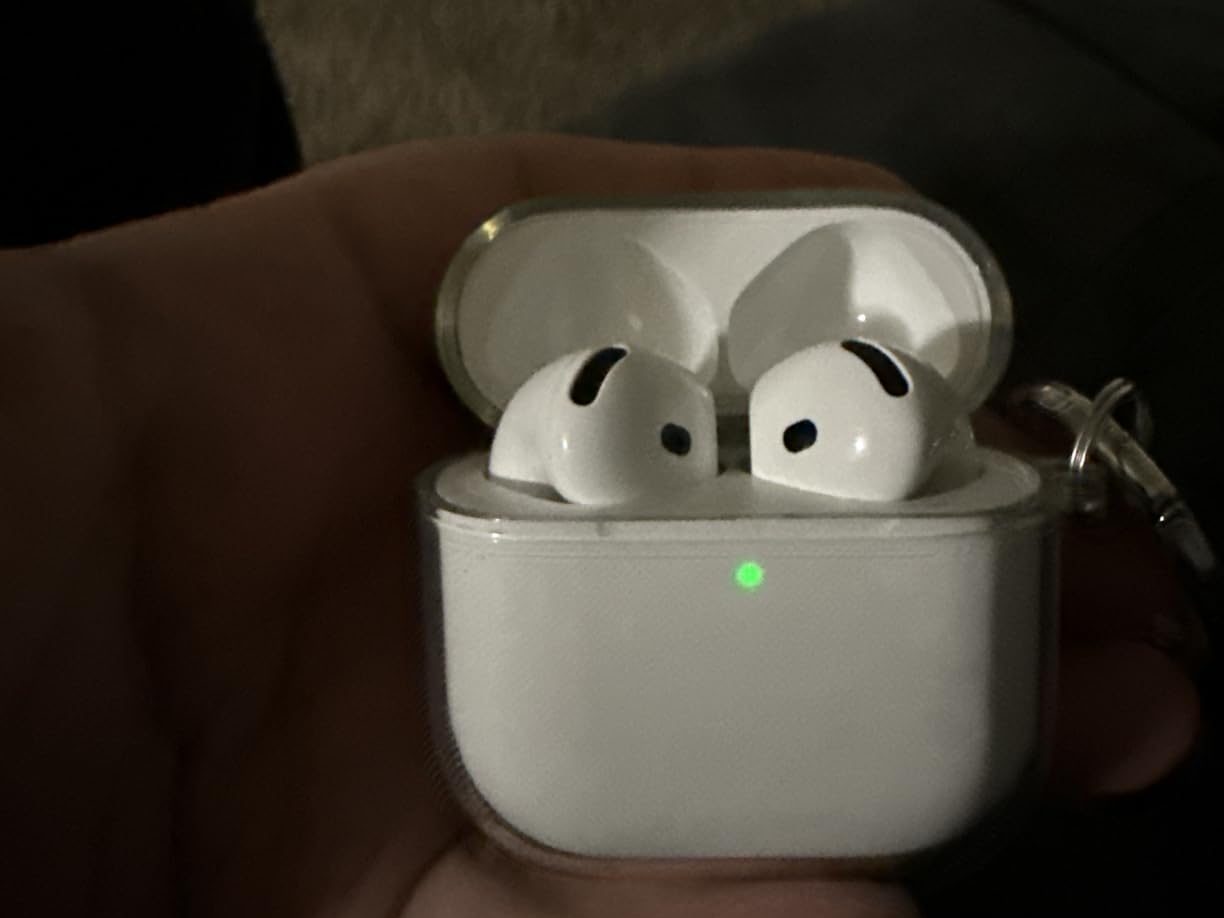
For iPhone users deeply embedded in the ecosystem, this creates a recurring purchase pattern that wasn’t present with wired headphones. The physical connection of wired audio meant accessories lasted until cables frayed or drivers failed—a process that took years. Wireless alternatives introduce battery chemistry as the limiting factor, and lithium-ion degradation follows a predictable curve that’s measured in charge cycles rather than years of calendar time.
The behavior is most pronounced among people who use wireless earbuds throughout the workday for calls, meetings, and background audio. Heavy daily use accelerates battery wear, and within 18 to 24 months, the gap between advertised battery life and actual performance becomes difficult to ignore.
SIMILAR
iPhone and MacBook users are compensating for a port problem Apple created
iPhone users are eliminating the tangled cable from every car charging session
iPhone users are transforming nightstands into silent charging infrastructure
Some users have adapted by keeping multiple pairs in rotation, which spreads charge cycles across devices and extends the useful life of each individual pair. But this strategy only delays the underlying problem—wireless audio accessories have become semi-disposable in a way that previous generations of headphones were not.
The shift also reveals tension in how Apple ecosystem products are positioned. iPhones receive years of software updates and retain functional value well beyond their purchase date, but the wireless accessories that pair with them follow a different obsolescence timeline driven by battery chemistry rather than feature support.
What’s notable is how quickly users have normalized this replacement cycle. The surprise and frustration that accompanied early wireless earbud battery failures has given way to acceptance that these devices have a defined lifespan, and planning for replacement has become part of budgeting for ecosystem maintenance.
Previously listed around $120, current listings of these renewed wireless earbud options for iPhone users now appear closer to $100.
"Note: Readers like you help support The Apple Tech. We may receive a affiliate commission when you purchase products mentioned on our website."