
There’s a new micro-optimization emerging in Apple Watch routines, and it happens in the narrow window between waking up and leaving home. Users who shower in the morning have discovered they can drop their Watch onto a charger, complete their morning routine, and retrieve a device that’s jumped from low battery to functional range in under thirty minutes.
This wasn’t possible with the original charging infrastructure. Standard Apple Watch chargers delivered power at a pace that required hours, not minutes. Overnight charging was the only practical approach, which meant the Watch couldn’t track sleep without careful planning—or a second Watch on rotation.
Fast charging changed the temporal contract. A Watch that hits twenty percent by bedtime can now sit on a nightstand through sleep tracking, then recover most of its capacity during a morning shower and breakfast. The constraint relaxed just enough to make continuous wear viable for users who previously had to choose between sleep data and daytime functionality.
The behavior is specific but widespread. Online communities centered on Apple Watch usage are filled with variations on the same theme: charge during coffee, charge during workout cooldown, charge during the commute. Any predictable gap in wear time becomes a potential charging window.
SIMILAR
iPhone and MacBook users are compensating for a port problem Apple created
iPhone users are eliminating the tangled cable from every car charging session
iPhone users are transforming nightstands into silent charging infrastructure
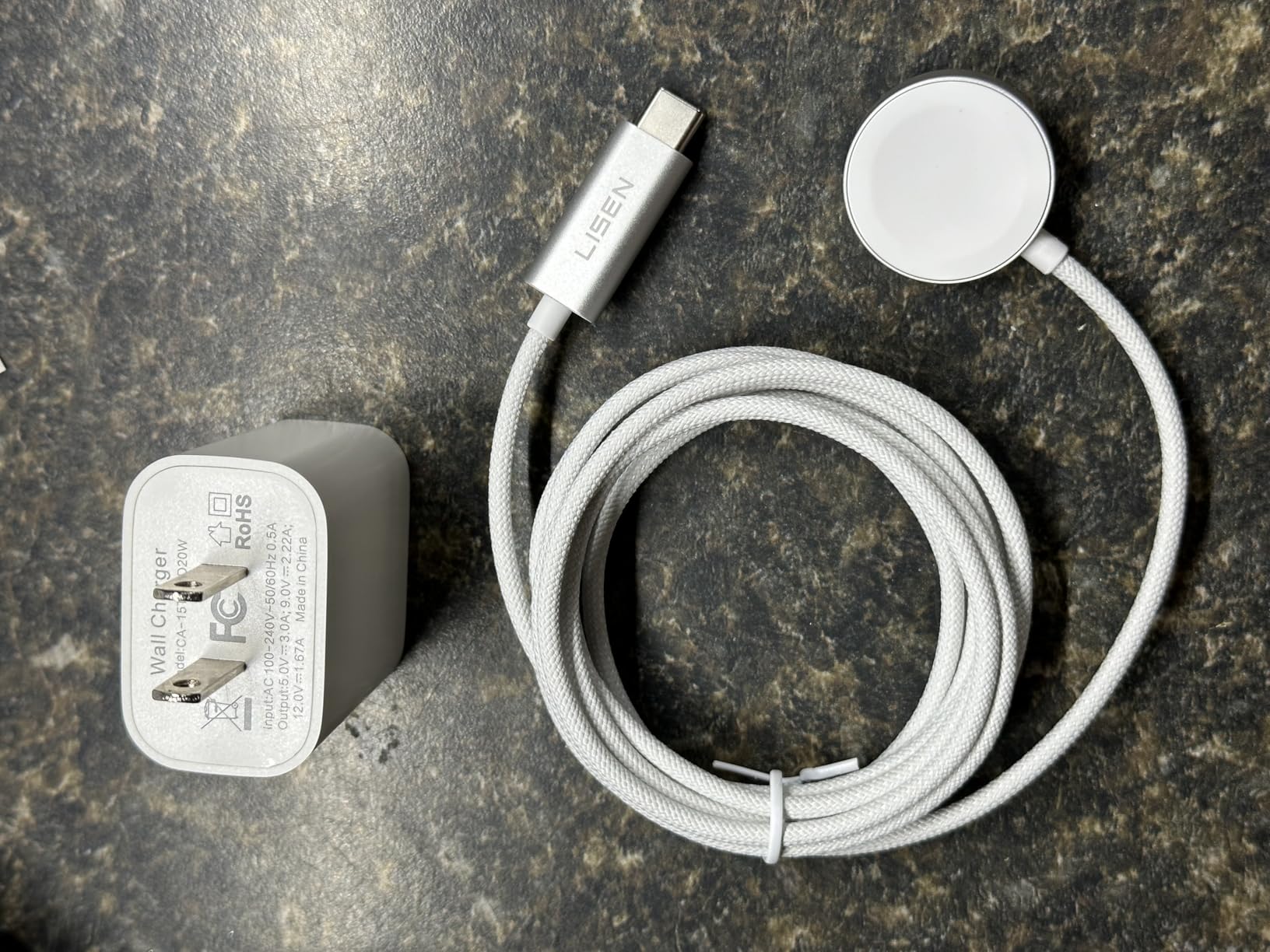
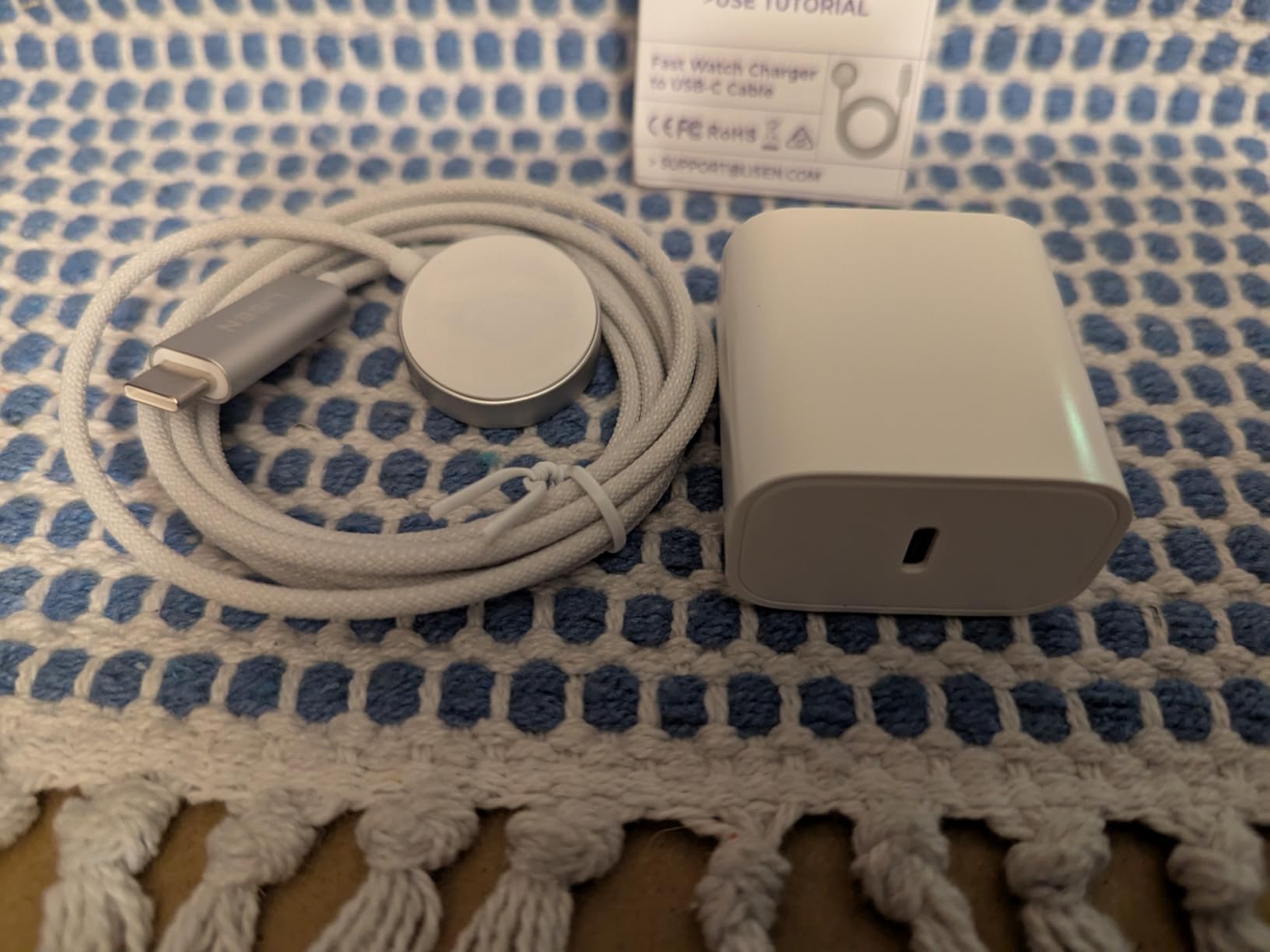
The infrastructure enabling this is simple—higher wattage power delivery through USB-C connections that push more energy in less time. No new charging standard, no proprietary technology, just a straightforward increase in power throughput that happens to align perfectly with the gaps in modern routines.
Watch models from Series 7 onward support the faster charging rate, which means a meaningful portion of the installed base can take advantage without upgrading hardware. The cables themselves handle the heavy lifting, provided they’re paired with adequate power adapters.
These fast-charging cables typically fall in the fifteen to twenty-five dollar range. Previously listed at $22.99, current listings hover around $15.94 for variants that include both cable and appropriate power brick.
The shift is almost invisible from the outside, but it represents a real change in how continuous the Watch can be—without requiring users to choose which data to sacrifice.
"Note: Readers like you help support The Apple Tech. We may receive a affiliate commission when you purchase products mentioned on our website."