
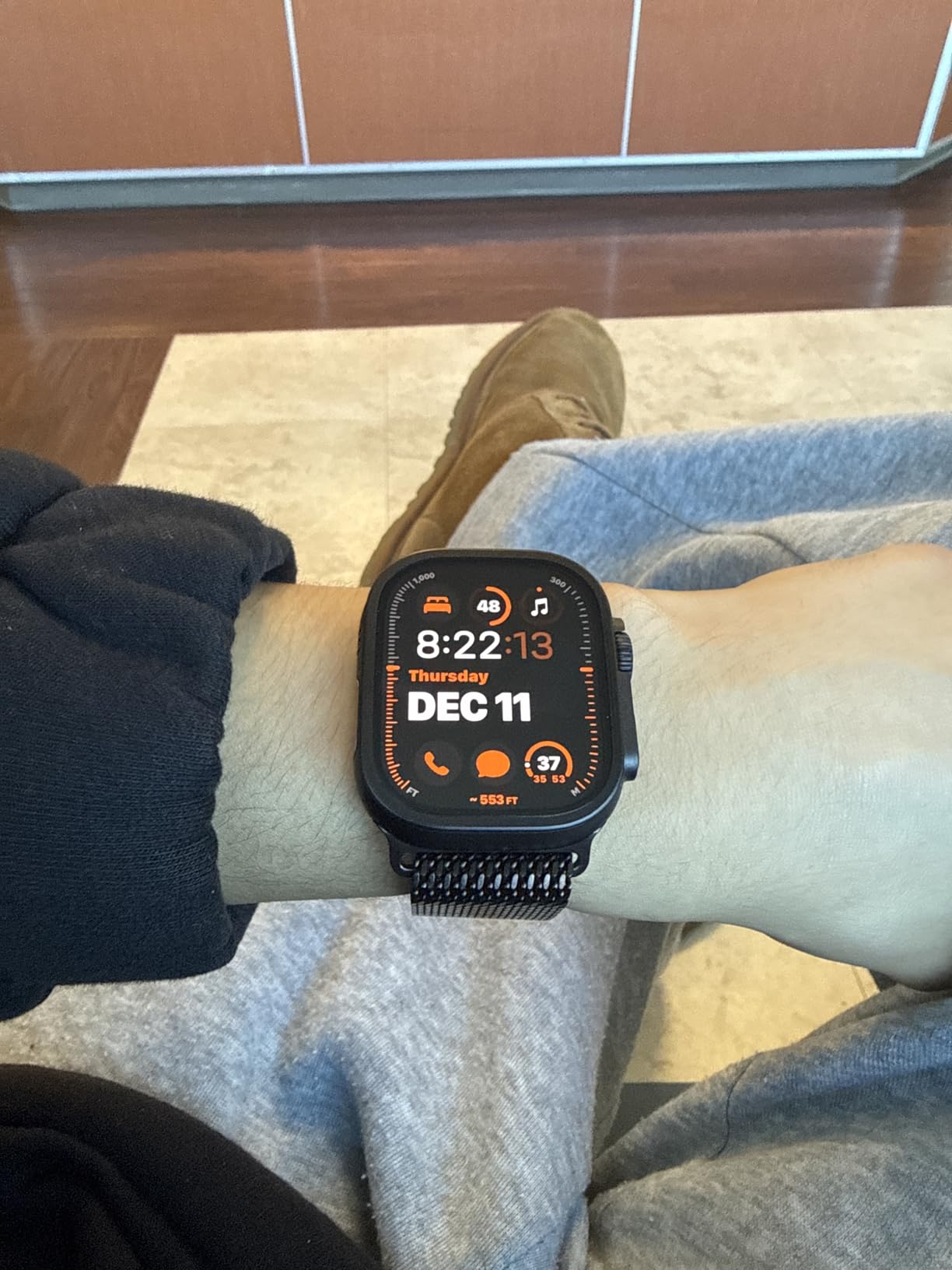
Fitness tracking was supposed to clarify exercise. Instead, it’s made the definition murkier. Apple Watch wearers increasingly report a peculiar tension: the device rewards them for activity they never intended as “exercise,” while workouts they consider legitimate sometimes fail to register at all.
This isn’t about accuracy. The sensors work. It’s about the gap between what people think they’re doing and what their wrist tells them they’ve done. A hurried walk to catch a train becomes “outdoor walking.” Carrying groceries upstairs triggers a stand reminder. The watch is technically correct, but the feedback feels disconnected from intention.
The shift becomes more apparent over time. Early adopters often describe the first few months as motivating—closing rings felt like accomplishment. But after a year or two, many report a different experience. The gamification loses its edge. The rings become background noise, something to glance at rather than chase.

This creates an unexpected problem. When tracking becomes ambient, it stops influencing behavior. Users continue wearing the device, checking heart rate during meetings or setting timers while cooking, but the fitness features fade into functional irrelevance. The watch remains useful, just not for its original purpose.
Others adapt differently. They begin structuring their days around ring-closing opportunities, taking evening walks not because they want to but because the notification insists. This isn’t necessarily unhealthy, but it reflects a subtle recalibration of autonomy. The device doesn’t force anything, yet its presence shapes decisions in ways that feel both voluntary and coerced.
SIMILAR
Why iPhone users are carrying standalone noise machines instead of relying on sleep apps
Apple Watch charging became a bedside ritual, here's why the placement matters more than expected
iPhone users are quietly giving up the cable and most dont realize why it happened so gradually over time
The longer someone wears the watch, the more these patterns solidify. Some disable fitness notifications entirely, keeping the device for messaging and payments. Others lean in, upgrading to models with extended battery life and more granular tracking. Both groups remain locked into the ecosystem, just with different relationships to its central premise.
The cost dynamic has evolved too. Previously listed above $700, current listings for ruggedized models hover around $550. The price drop doesn’t change the behavioral calculus—it just makes the commitment more accessible to those still deciding whether passive tracking aligns with how they want to think about movement.
"Note: Readers like you help support The Apple Tech. We may receive a affiliate commission when you purchase products mentioned on our website."