
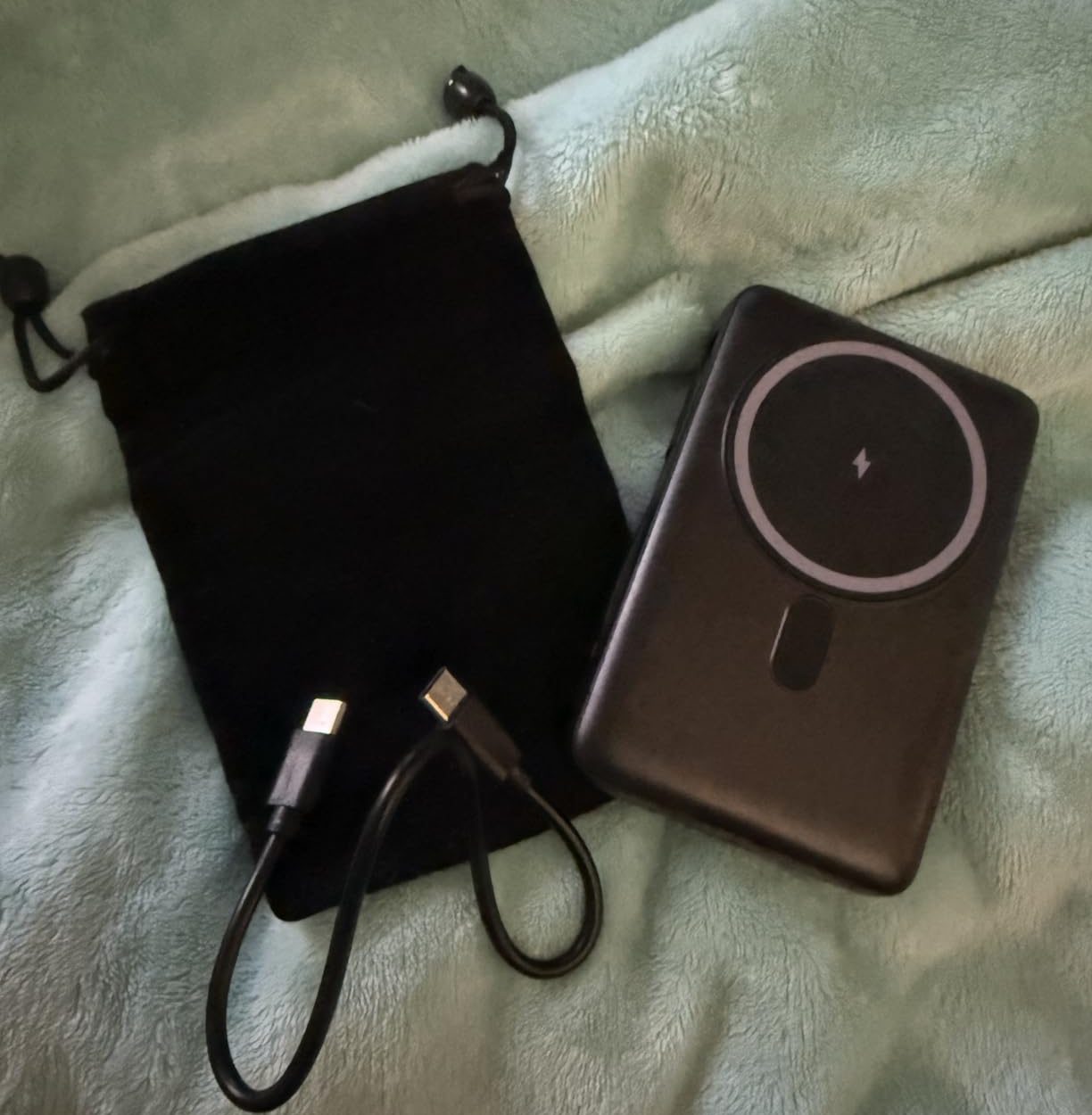
There’s a moment that happens in hotel rooms now, usually around 9 p.m., when someone realizes they’ve brought the wrong charging setup. The iPhone cable is there. The Apple Watch puck is not. Or the AirPods case is dead, and the only available port is already spoken for.
This isn’t a new problem, but it’s become more acute as Apple’s product line has sprawled. A decade ago, “charging” meant one phone and maybe a laptop. Now it means a phone, a watch, earbuds, sometimes an iPad, sometimes a second phone. Each with its own requirement, its own cable, its own negotiation with the outlet.
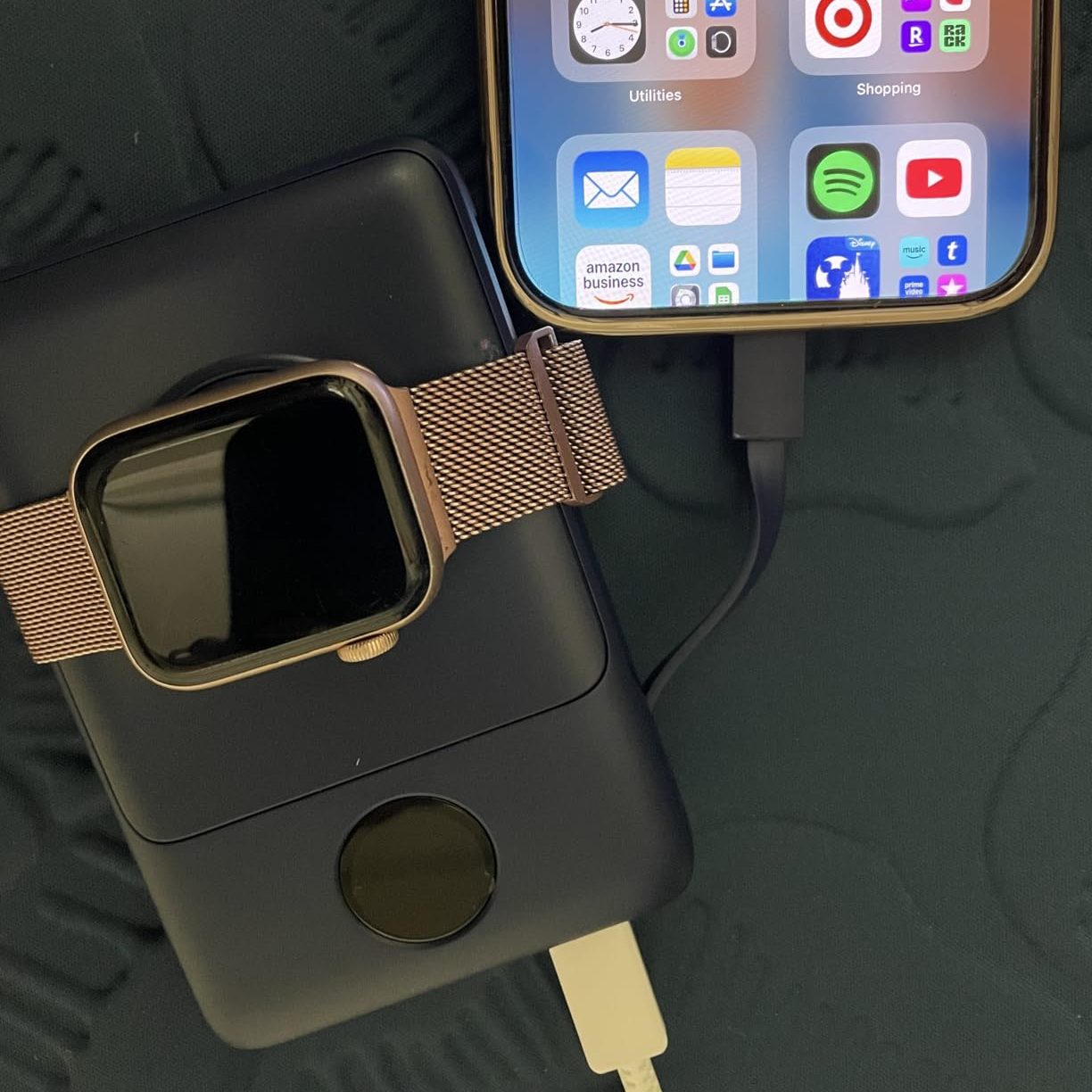
The shift has created a secondary economy of consolidation—devices designed not to charge faster or better, but simply to charge more things at once. The appeal isn’t technical. It’s spatial and mental. One object instead of five. One plug instead of a tangle.
What’s interesting is how this changes packing behavior. People who once threw a Lightning cable in a bag now conduct a full inventory before leaving the house. The stakes feel higher because the ecosystem is denser. Miss one piece and something stays dark.
It’s also changed the way people think about outlets. A hotel room with two outlets no longer feels adequate. Airport seating without built-in USB ports feels outdated. The expectation has shifted from “I hope I can charge” to “I need to charge everything, all the time.”
There’s a quiet tension in how Apple designs its products for elegance and singularity, but real-world use demands the opposite—cables, adapters, hubs, multipliers. The devices themselves are minimal. The infrastructure around them is not.
What emerges is a kind of charging choreography. Some people charge overnight in shifts. Others invest in multi-device solutions and accept the bulk. A few simplify by leaving devices uncharged unless absolutely needed. Previously listed at $34.95, some options now appear closer to $27.95, though the price feels less relevant than the problem it’s trying to solve.
"Note: Readers like you help support The Apple Tech. We may receive a affiliate commission when you purchase products mentioned on our website."