

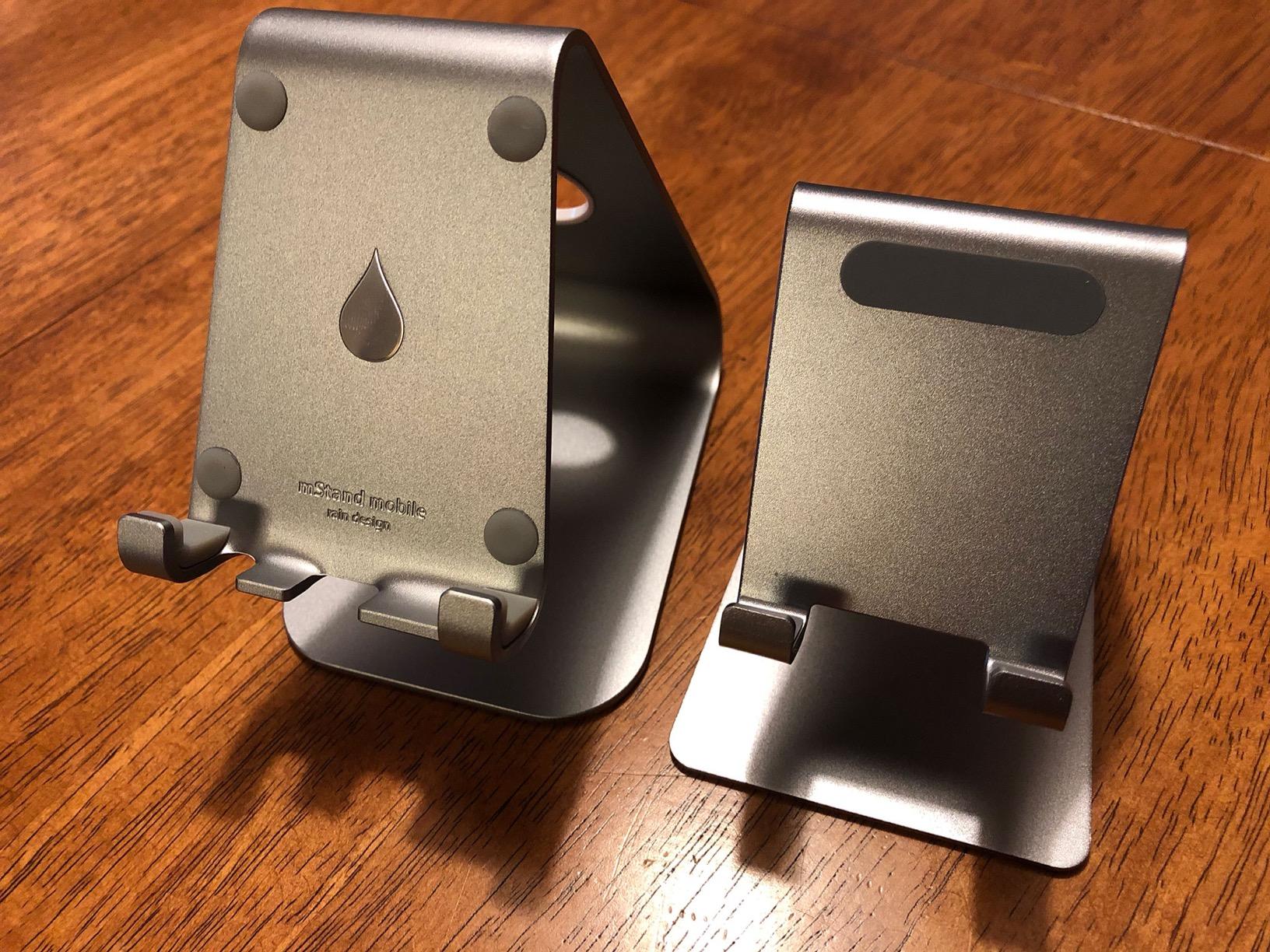
Walk into most offices and you’ll see iPhones face-up on desks. Not tucked away, not in pockets—displayed, angled, within constant sightline. It’s become such a common posture that it barely registers as a choice.
But it is a choice, and it has consequences. A face-up phone means every notification is visible. Every text, email, app alert, and screen wake becomes a potential interruption. The phone doesn’t need to make noise to pull attention. The light is enough.
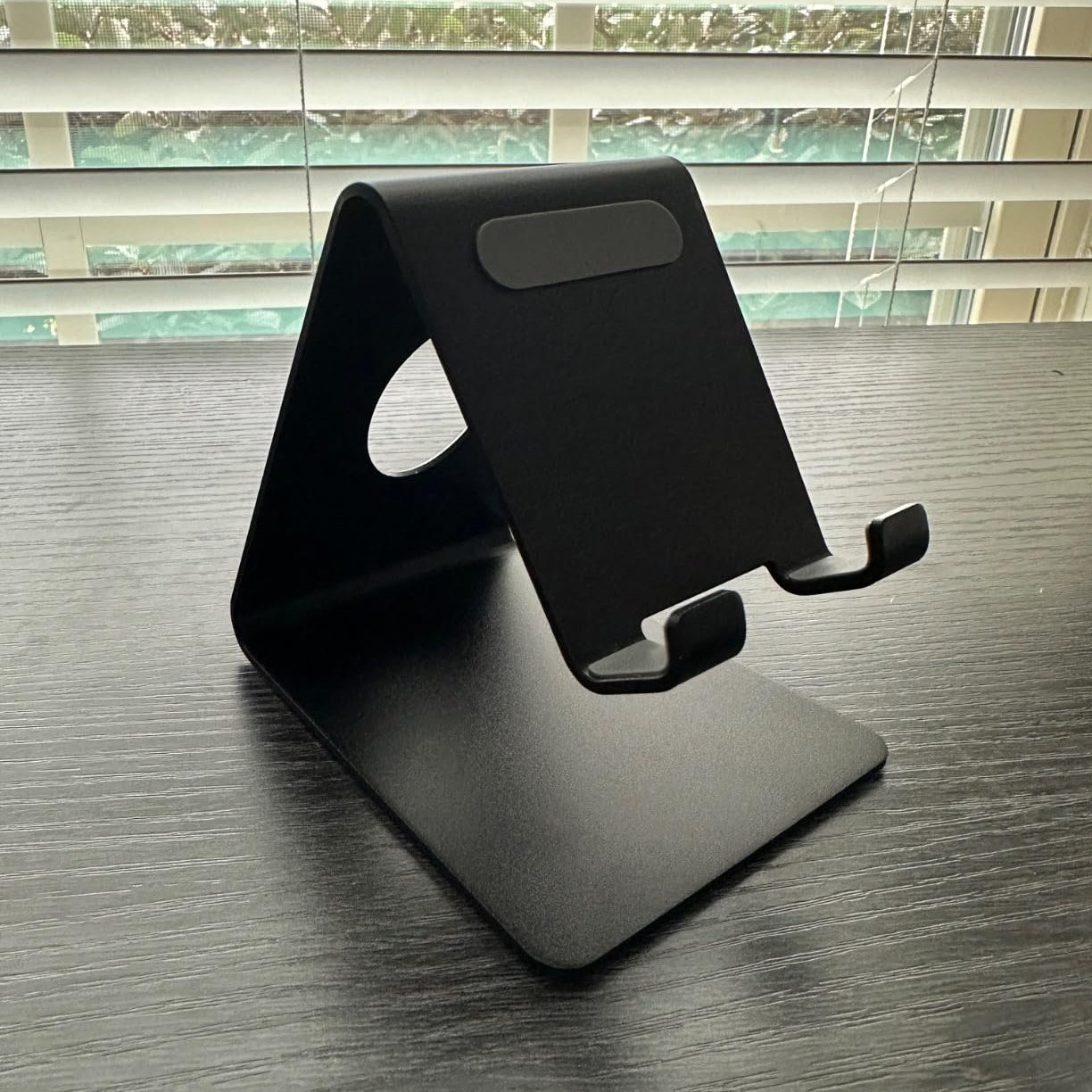
People know this. They’re aware that it’s distracting. But the alternative—placing the phone face-down, or putting it in a drawer—feels worse. The fear isn’t missing an emergency. It’s missing something semi-urgent that will later require explaining. A message from a colleague. A calendar change. A delivery update.
This has created a low-grade vigilance around the iPhone that wasn’t present with older phones. Notifications were always there, but they required picking up the device. Now they’re ambient. The phone becomes a peripheral display, always half-checked, never fully ignored.
Apple has tried to address this with Focus modes and notification summaries, but adoption is uneven. Many people find the controls too granular, or they worry about over-filtering and missing something real. So they leave everything on, and the phone stays face-up.
There’s also a workspace ergonomics element. A phone lying flat is easy to glance at without shifting posture. It fits naturally into the desk landscape. Stands and holders elevate the phone slightly, making it even more visible, more integrated into the visual field.
What’s changed isn’t the technology—it’s the expectation. A decade ago, checking your phone every ten minutes felt excessive. Now it feels necessary. The phone face-up on the desk is both cause and effect of that shift. Previously listed at $9.99, some transparent stands now appear near $7.98, though the price is incidental—the real cost is attentional, and it’s harder to quantify.
"Note: Readers like you help support The Apple Tech. We may receive a affiliate commission when you purchase products mentioned on our website."