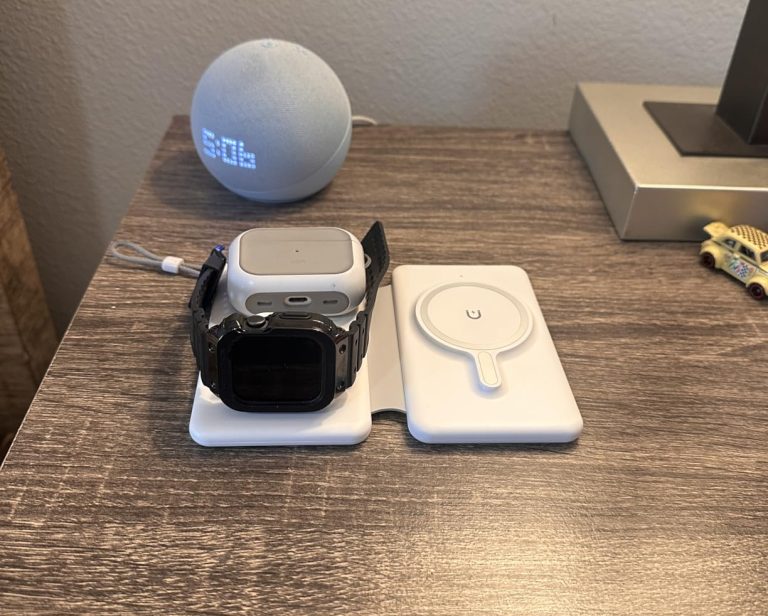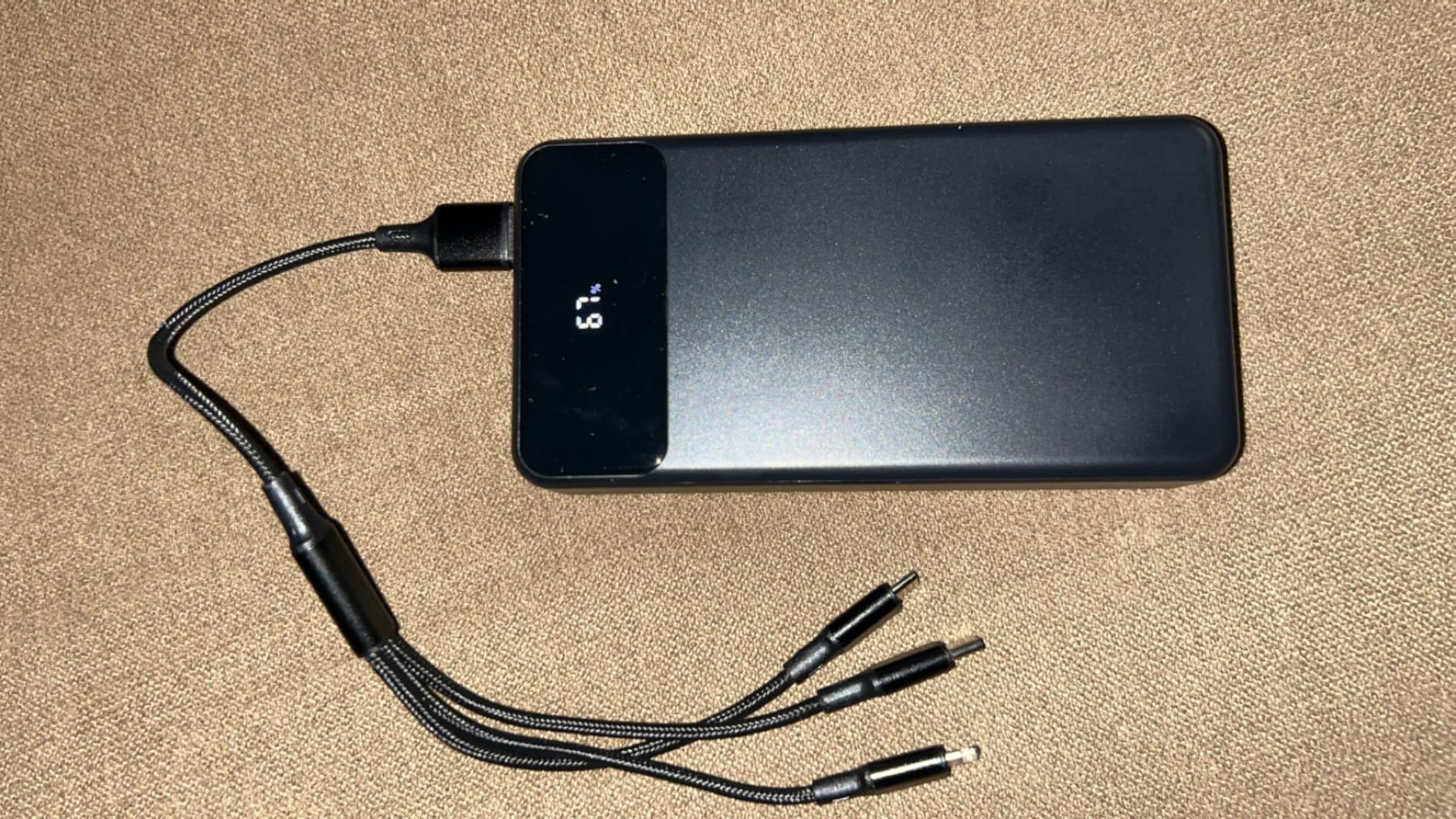

The desk became the charging station, not just the workspace, which changed what objects belonged there. When people worked in offices, device charging happened opportunistically—phones on desks, laptops under desks, tablets wherever there was an outlet. Home offices condensed this into a single location where everything needed to be accessible simultaneously.
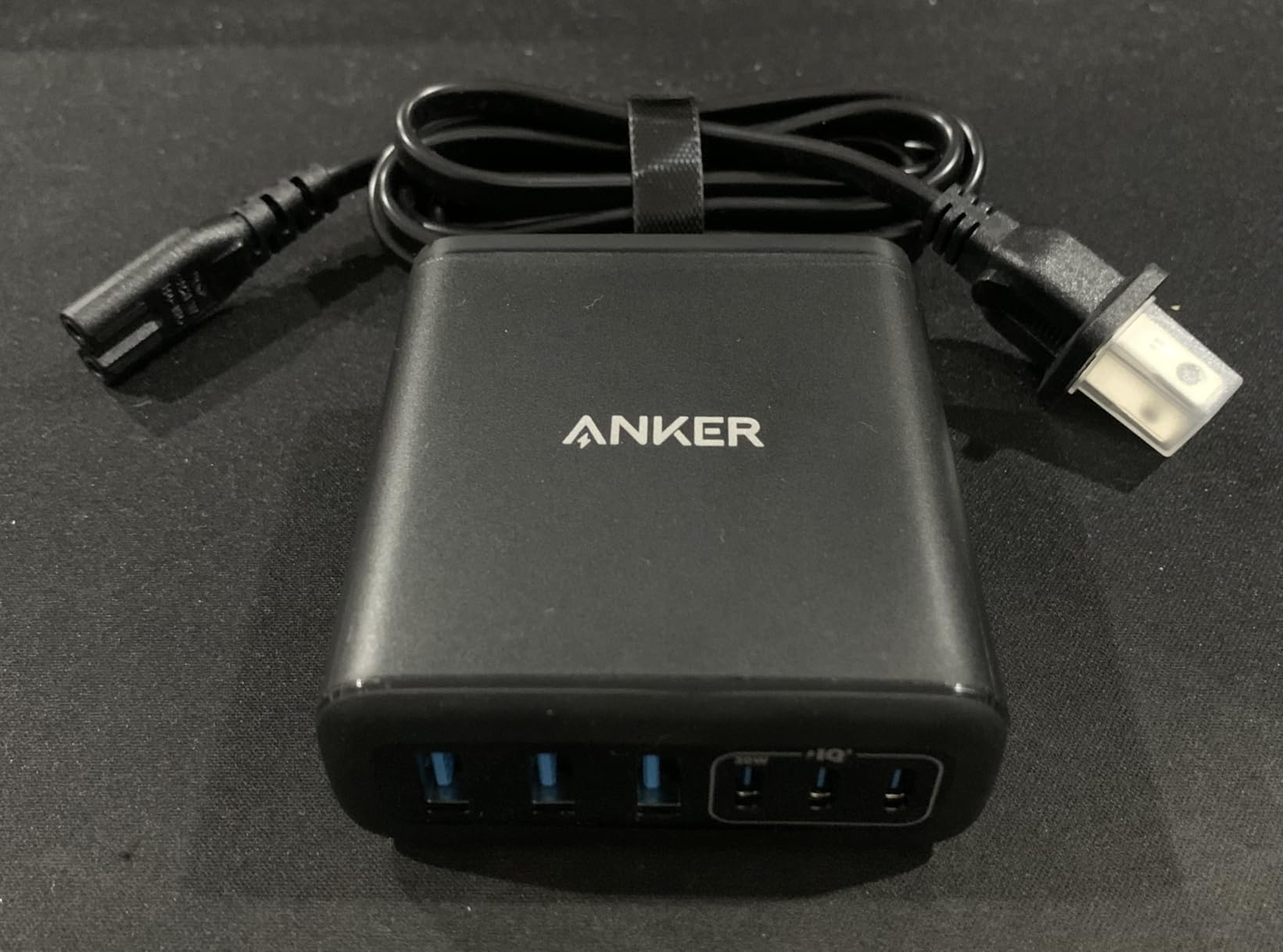
Six-port desktop charging hubs formalize this consolidation. Instead of power strips with multiple wall adapters competing for space, a single hub sits on the desk surface, offering enough ports to charge a MacBook, an iPad, an iPhone, AirPods, an Apple Watch, and maybe a backup device or a partner’s phone. The cables route from one central point rather than snaking from multiple outlets.
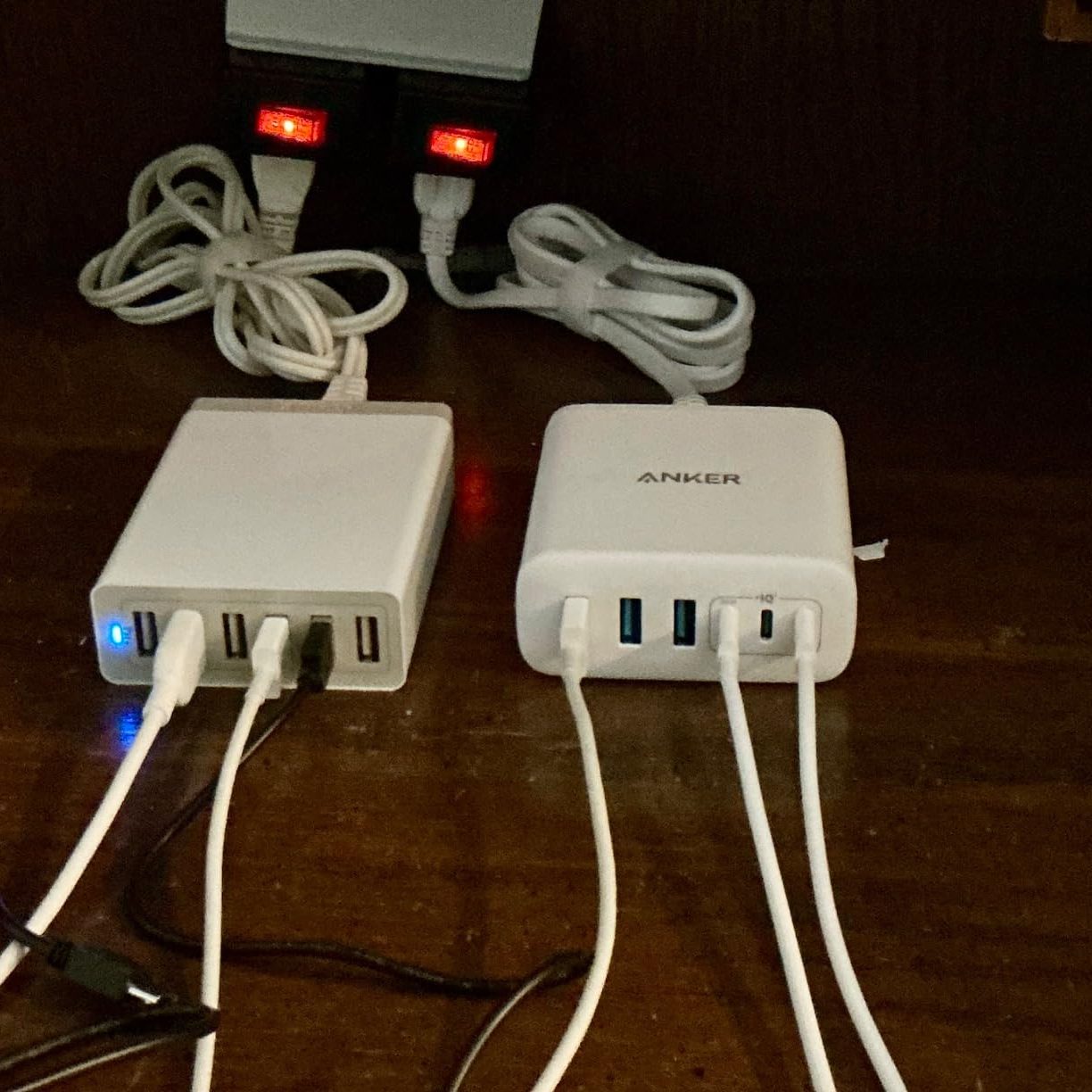
This creates a different relationship with desk organization. The charging hub becomes a permanent fixture, like a monitor stand or a desk lamp. It occupies dedicated space, and the desk layout evolves around it. Devices have designated spots—phone here, tablet there—creating a geography of charging that becomes ritualized.
The 112W total output matters because it enables truly simultaneous fast charging. Older multi-port chargers would throttle speeds when multiple devices drew power. A six-port hub with sufficient wattage can deliver near-maximum speeds to all connected devices at once, which means you’re not choosing between fast-charging your MacBook or your iPhone. Both can charge at full speed.
But this introduces new friction around cable management. Six ports mean six cables, and those cables—even when routed thoughtfully—create visual clutter. Some users embrace this, treating cable management as part of desk aesthetics. Others find it distracting and end up using only three or four ports regularly, leaving the others empty.
What’s revealing is how this changes device proximity expectations. When charging is distributed throughout a home, devices can be in use anywhere. When charging is centralized at a desk, devices migrate back to that location at predictable times. The desk becomes a hub not just for work but for the entire household’s device ecosystem during charging hours.
Previously listed at $45.99, current listings hover around $33.99. The pricing reflects the high wattage and multi-device capability, positioning these hubs as infrastructure investments rather than simple accessories.
"Note: Readers like you help support The Apple Tech. We may receive a affiliate commission when you purchase products mentioned on our website."